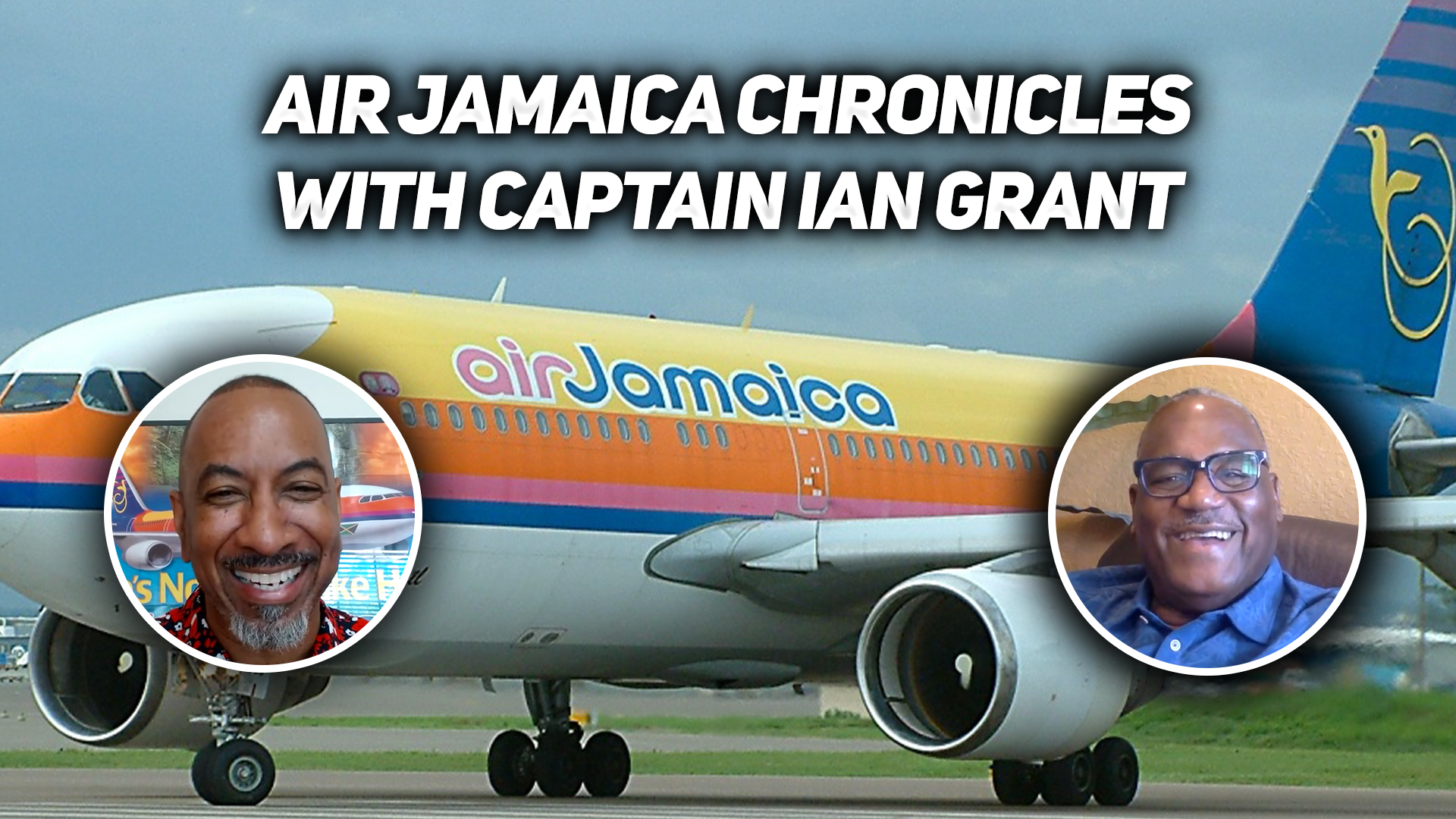
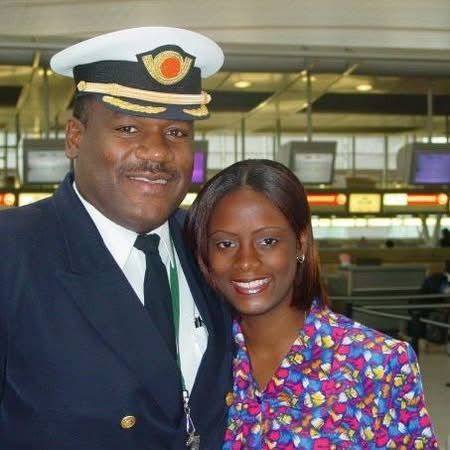
For nearly three decades, Captain Ian Grant had one of the best offices in the world. From the cockpit of Air Jamaica’s Boeing 727, DC-8, Airbus A300 and later the Airbus A340, he carried thousands of passengers between Jamaica and cities including London, New York and Manchester. But ask him what he remembers most about his 27 years with Jamaica’s national airline, and it isn’t the aircraft.
It is the feeling. “Air Jamaica was family,” Grant tells Jamaicans.com in the latest episode of Air Jamaica Chronicles. it was “home in the air.”
That simple sentiment captures why, more than 15 years after its final flight, Air Jamaica continues to occupy a special place in the hearts of Jamaicans around the world. As explored in the first episode of the series, the airline became much more than a mode of transportation. It became one of Jamaica’s greatest ambassadors, carrying the island’s culture, hospitality and identity wherever it flew.
From Engineering Graduate to Airline Captain
Grant’s path to the flight deck was far from conventional.
Raised by hardworking middle-class parents—his father spent 40 years with the Jamaica Railway Corporation while his mother was a primary school teacher—Grant excelled academically, attending both Cornwall College and Jamaica College before studying engineering at the The University of the West Indies on a government scholarship.
His father expected him to build a career as an engineer. But a chance conversation with a family friend and Air Jamaica employee reignited his childhood dream of becoming a pilot. Realising that someone from his own community had made it into the cockpit convinced Grant that he could too.
While his father struggled to understand why he wanted to leave engineering behind, Grant’s maternal grandmother believed in his dream. She mortgaged her home to pay for his flight training, an extraordinary act of faith that changed the course of his life.
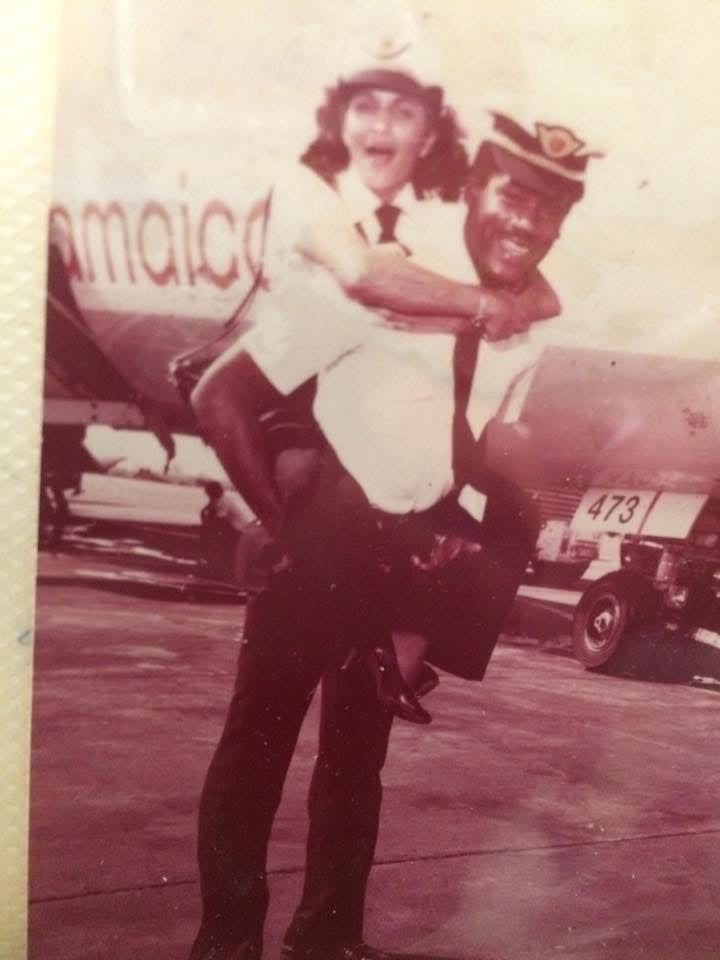
Grant completed his flight training in a remarkable nine months before joining Air Jamaica in 1979. Beginning as a flight engineer on the Boeing 727, he went on to fly some of the airline’s most iconic aircraft, including the DC-8, Airbus A300 and Airbus A340, eventually serving as captain on long-haul routes.
Jamaica In the Sky
Over nearly three decades, Grant witnessed Air Jamaica evolve from the Boeing 727 and DC-8 to the Airbus A300 and eventually the state-of-the-art Airbus A340. The aircraft became more advanced, routes expanded and technology transformed commercial aviation, but he says one thing never changed: Air Jamaica’s unmistakably Jamaican identity.
To Grant, Air Jamaica wasn’t simply transporting passengers between destinations. It was carrying Jamaica itself.
After spending weeks overseas, boarding an Air Jamaica flight felt like coming home before the aircraft had even left the gate. Passengers were greeted by reggae music, familiar Jamaican accents and the warmth of a crew that treated them like family. Meals such as ackee and saltfish, brown stew chicken with rice and peas, rum punch and even the airline’s iconic SkyWritings magazine reinforced the feeling that Jamaica wasn’t just the destination—it was part of the journey.
That experience resonated not only with Jamaicans returning home, but also with members of the diaspora and visitors, many of whom still recall Air Jamaica as one of the few airlines that genuinely reflected the culture of the country it represented.
As captain, Grant had a front-row seat to that reputation.
Flying Royalty and Celebrities
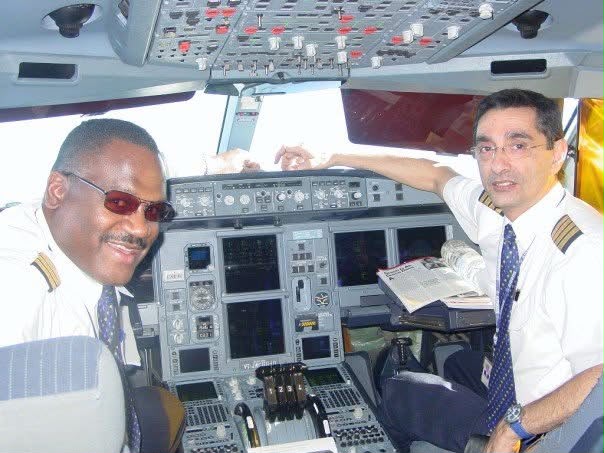
Over his 27-year career, Captain Ian Grant welcomed thousands of passengers aboard Air Jamaica, including royalty, Hollywood stars and world-renowned entertainers. While there were many memorable encounters, one flight from London to Montego Bay remains among his favourites.
On board that day were Sarah Ferguson, then Duchess of York, and her daughters, along with Jamaican reggae legend Jimmy Cliff. As captain, Grant decided to introduce them. “I introduced Jimmy Cliff to the Duchess of York… and I told the Duchess, ‘This is our Jamaican royalty.'”
With a laugh, he recalls the joke landing better with him than with his distinguished guest. “Sarah never laugh.”
He recalls the Duchess returning to the cockpit with Princesses Beatrice and Eugenie to personally thank Grant and his crew. “She came up to the cockpit to say goodbye, and she made her daughters tell me goodbye too.”
Grant’s logbook also included actor Robin Williams, whom he flew to Los Angeles after the comedian had been filming in Jamaica, and veteran broadcaster Ted Koppel, whose visit to the flight deck turned into an unexpected role reversal.
“He thought he was interviewing me, but I was interviewing him.”
Despite the famous names, Grant says every passenger received the same professionalism and warm Jamaican hospitality that defined Air Jamaica.
The Legacy Lives On
Grant acknowledges the economic realities that led to Air Jamaica’s closure, noting that national airlines face enormous financial pressures, particularly in smaller countries.
Yet he believes the airline’s greatest achievement was never measured solely by profit.
It was measured by professionalism, an exceptional safety record and a uniquely Jamaican approach to customer service that earned the respect of airlines around the world. Many former Air Jamaica pilots went on to fly for major international carriers, taking with them the standards and discipline they developed at Jamaica’s national airline.
If a future Jamaican airline is ever established, Grant believes those are the qualities worth preserving. “The Jamaican-ness,” he says.