
St. Martin (Marteen)
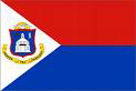
Country Overview: Although sighted by Christopher COLUMBUS in 1493 and claimed for Spain, it was the Dutch who occupied the island in 1631 and set about exploiting its salt deposits. The Spanish retook the island in 1633, but continued to be harassed by the Dutch. The Spanish finally relinquished St. Martin to the French and […]
St. Vincent and the Grenadines
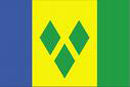
Country Overview: Resistance by native Caribs prevented colonization on St. Vincent until 1719. Disputed between France and the United Kingdom for most of the 18th century, the island was ceded to the latter in 1783. Between 1960 and 1962, Saint Vincent and the Grenadines was a separate administrative unit of the Federation of the West […]
Suriname
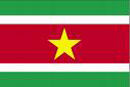
Country Overview: The Spaniards first visited in the 16th century and then the English settled in the mid-17th century, Suriname became a Dutch colony in 1667. With the abolition of slavery in 1863, workers were brought in from India and Java. Independence from the Netherlands was granted in 1975. Five years later the civilian government […]
Trinidad & Tobago
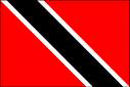
Country Overview: First colonized by the Spanish, the islands came under British control in the early 19th century. The islands’ sugar industry was hurt by the emancipation of the slaves in 1834. Manpower was replaced with the importation of contract laborers from India between 1845 and 1917, which boosted sugar production as well as the […]
Turks and Caicos Islands
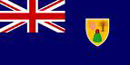
Country Overview: The islands were part of the UK’s Jamaican colony until 1962, when they assumed the status of a separate crown colony upon Jamaica’s independence. The governor of The Bahamas oversaw affairs from 1965 to 1973. With Bahamian independence, the islands received a separate governor in 1973. Although independence was agreed upon for 1982, […]
US Virgin Islands
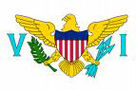
Country Overview: During the 17th century, the archipelago was divided into two territorial units, one English and the other Danish. Sugarcane, produced by slave labor, drove the islands’ economy during the 18th and early 19th centuries. In 1917, the US purchased the Danish portion, which had been in economic decline since the abolition of slavery […]
Dominica Republic
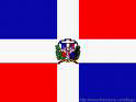
Country Overview: Christopher COLUMBUS arrived to this island on his first voyage in 1492, the island of Hispaniola became a springboard for Spanish conquest of the Caribbean and the American mainland. In 1697, Spain recognized French dominion over the western third of the island, which in 1804 became Haiti. The remainder of the island, by […]
Grenada
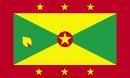
Country Overview: Carib Indians inhabited Grenada when COLUMBUS arrived to the island in 1498, but it remained uncolonized for more than a century. The French settled Grenada in the 17th century, established sugar estates, and imported large numbers of African slaves. Britain took the island in 1762 and vigorously expanded sugar production. In the 19th […]
Guyana
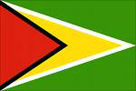
Country Overview: Originally a Dutch colony in the 17th century, by 1815 Guyana had become a British possession. The abolition of slavery led to black settlement of urban areas and the importation of indentured servants from India to work the sugar plantations. This ethnocultural divide has persisted and has led to turbulent politics. Guyana achieved […]
Country Overview: Haiti
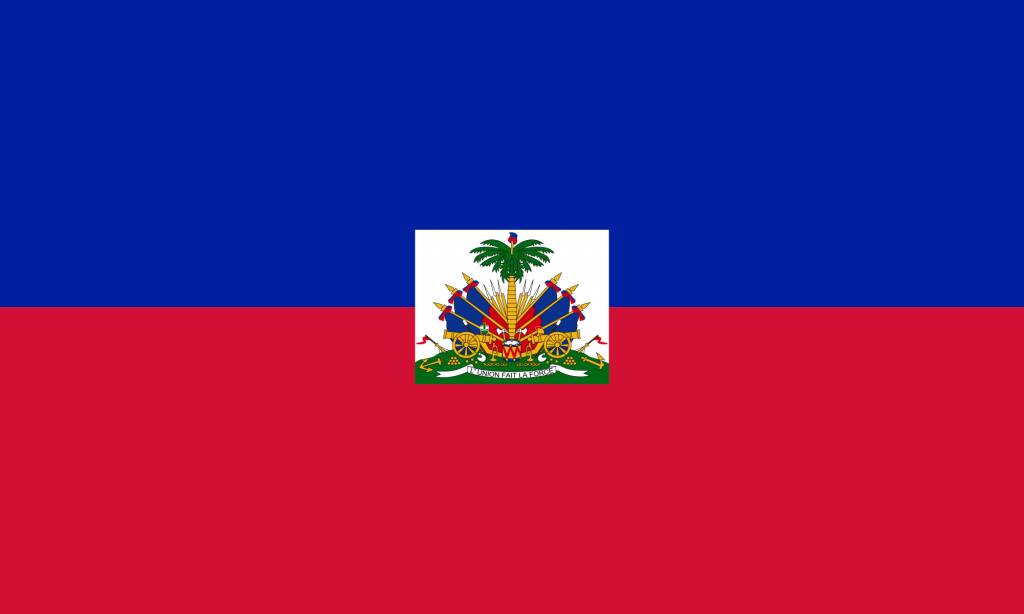
The native Taino Amerindians – who inhabited the island of Hispaniola when COLUMBUS arrived in 1492 – were virtually annihilated by Spanish settlers within 25 years. In the early 17th century, the French established a presence on Hispaniola, and in 1697, Spain ceded to the French the western third of the island, which later became […]