
Jamaica
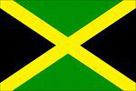
Country Overview: The island – discovered by Christopher COLUMBUS in 1494 – was settled by the Spanish early in the 16th century. The native Taino Indians, who had inhabited Jamaica for centuries, were gradually exterminated and replaced by African slaves. England seized the island in 1655 and established a plantation economy based on sugar, cocoa, […]
Montserrat
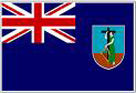
Country Overview: English and Irish colonists from St. Kitts first settled on Montserrat in 1632; the first African slaves arrived three decades later. The British and French fought for possession of the island for most of the 18th century, but it finally was confirmed as a British possession in 1783. The island’s sugar plantation economy […]
Panama
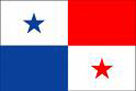
Country Overview: Explored and settled by the Spanish in the 16th century, Panama broke with Spain in 1821 and joined a union of Colombia, Ecuador, and Venezuela – named the Republic of Gran Colombia. When the latter dissolved in 1830, Panama remained part of Colombia. With US backing, Panama seceded from Colombia in 1903 and […]
Puerto Rico
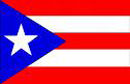
Country Overview: Populated for centuries by aboriginal peoples, the island was claimed by the Spanish Crown in 1493 when COLUMBUS visited the island during his second voyage to the Americas. In 1898, after 400 years of colonial rule that saw the indigenous population nearly exterminated and African slave labor introduced, Puerto Rico was ceded to […]
St. Kitts and Nevis
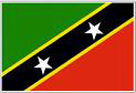
Country Overview: First settled by the British in 1623, the islands became an associated state with full internal autonomy in 1967. The island of Anguilla rebelled and was allowed to secede in 1971. Saint Kitts and Nevis achieved independence in 1983. In 1998, a vote in Nevis on a referendum to separate from Saint Kitts […]
St. Lucia

Country Overview: The island, with its fine natural harbor at Castries, was contested between England and France throughout the 17th and early 18th centuries (changing possession 14 times); it was finally ceded to the UK in 1814. Even after the abolition of slavery on its plantations in 1834, Saint Lucia remained an agricultural island, dedicated […]
Bermuda
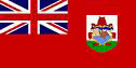
Country Overview: Bermuda was first settled in 1609 by shipwrecked English colonists headed for Virginia. Tourism to the island to escape North American winters first developed in Victorian times. Tourism continues to be important to the island’s economy, although international business has overtaken it in recent years. Bermuda has developed into a highly successful offshore […]
British Virgin Islands
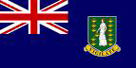
Country Overview: First inhabited by Arawak and later by Carib Indians, the Virgin Islands were settled by the Dutch in 1648 and then annexed by the English in 1672. The islands were part of the British colony of the Leeward Islands from 1872-1960; they were granted autonomy in 1967. The economy is closely tied to […]
Cayman Islands
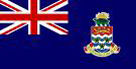
Country Overview: The Cayman Islands were colonized from Jamaica by the British during the 18th and 19th centuries, and were administered by Jamaica after 1863. In 1959, the islands became a territory within the Federation of the West Indies, but when the Federation dissolved in 1962, the Cayman Islands chose to remain a British dependency. […]
Dominica
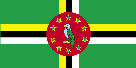
Country Overview: Dominica was the last of the Caribbean islands to be colonized by Europeans due chiefly to the fierce resistance of the native Caribs. France ceded possession to Great Britain in 1763, which made the island a colony in 1805. In 1980, two years after independence, Dominica’s fortunes improved when a corrupt and tyrannical […]