Earlier this year, Jamaicans.com featured Derryk MacGregor, Jordan Thompson Pamba and Chad Wilson, the team behind Kingston-based indie game developer BChaotic, following the launch of their first commercial video game, Bubblexity, on Steam. Their story made us curious about what else was happening in Jamaica’s game development community.
We reached out to the Jamaica Game Developer Society (JGDS) and found a small but ambitious community of Jamaican developers releasing games on some of the world’s biggest gaming platforms. Many are drawing directly on Jamaican culture, folklore and everyday experiences to create something distinctive for global audiences.
Founded in 2013, the JGDS supports Jamaica’s emerging game development sector through education, networking, showcases and connections with the wider interactive design community.
For spokesperson and organiser Glen Henry, the games now emerging demonstrate what can happen when creators draw confidently on their own experiences.
“Jamaican game developers have the talent, skill and the passion to make truly special interactive experiences,” Henry told Jamaicans.com. “Drawing from our unique background and perspectives, we have proven that we can express ourselves by putting something fresh and exciting out into the world.”
He believes there is “a clear appetite for stories unapologetically for us and by us.” But for the industry to grow, Henry says it needs greater support at home.
“What’s needed now is more home-grown support as we collectively develop sustainable pathways for this creative sector.”
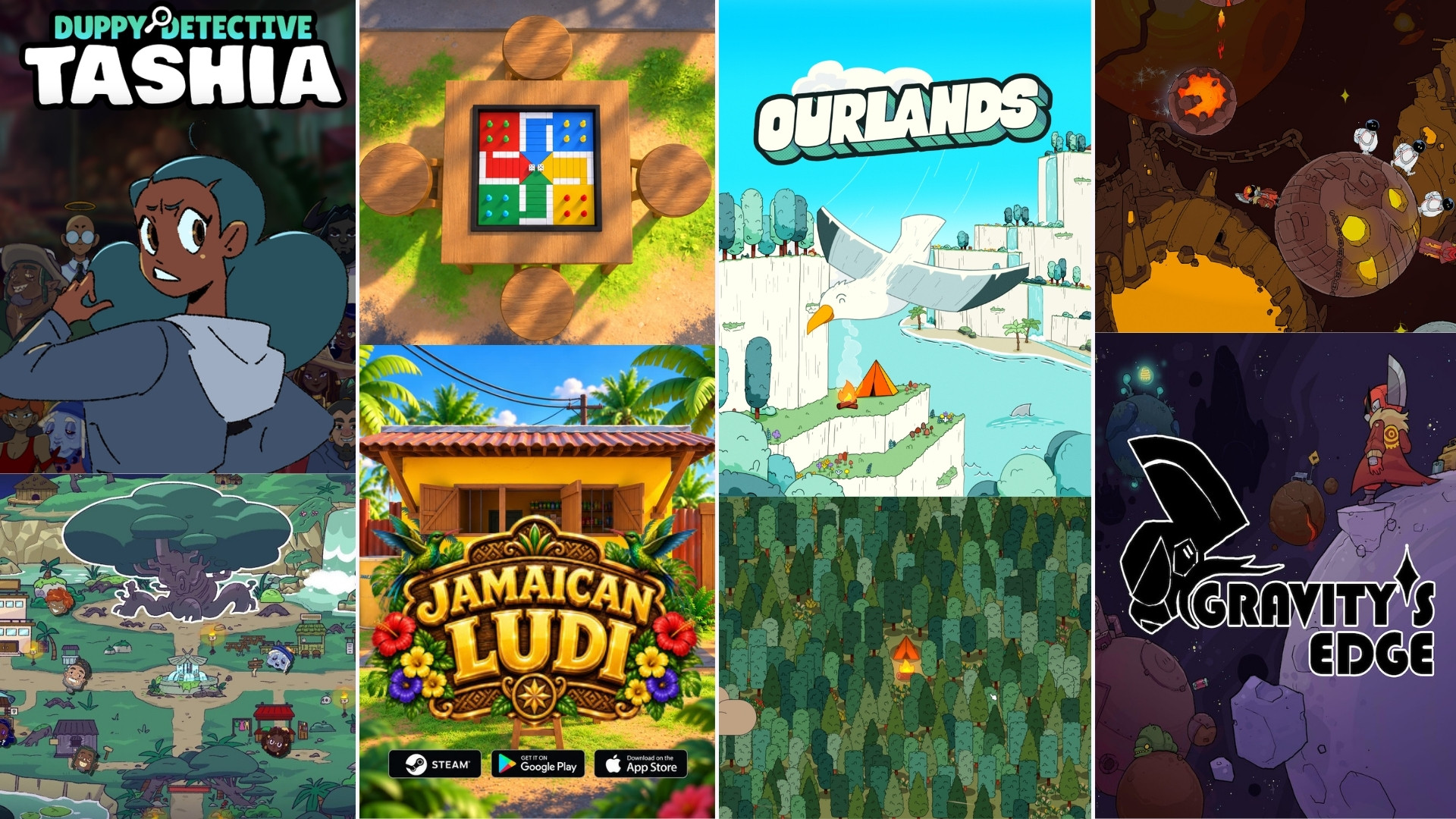
Here are four new and recently released games showing what Jamaica’s emerging game development community is bringing to the global industry.
Jamaican Ludi: Brings a Favourite Pastime Online
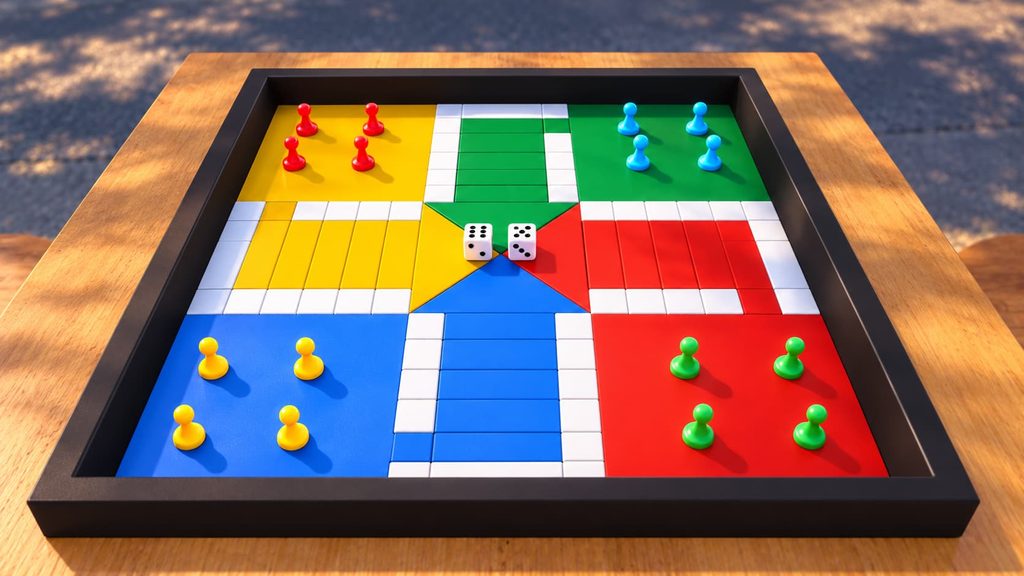
Almost everyone knows Ludo. Ludi, however, is the Jamaican version generations have played at kitchen tables, on verandahs and in yards, complete with its own rules, terminology and, inevitably, arguments.
Hemiogenic Interactive, working with Willow Tree Studios Collective, is taking that experience online with Jamaican Ludi, a 3D multiplayer interpretation of the game scheduled to enter Steam Early Access on September 25, 2026.
The project began when Tyreik Pennicooke built a Ludi prototype and Akeem Pennicooke of Hemiogenic Interactive saw the potential to develop it into a full 3D game.
What distinguishes Jamaican Ludi is the developers’ attempt to capture not simply what the board looks like, but how Jamaicans actually play the game.
Players roll physics-based dice, get “born” after rolling a six, cut rivals and send them “back a yard”, form roadblocks and must get their four pawns home on an exact finish. Captures are accompanied by cinematic finishers and Patois callouts, while players can even see their opponents’ virtual hands hovering over the board before they make a move.
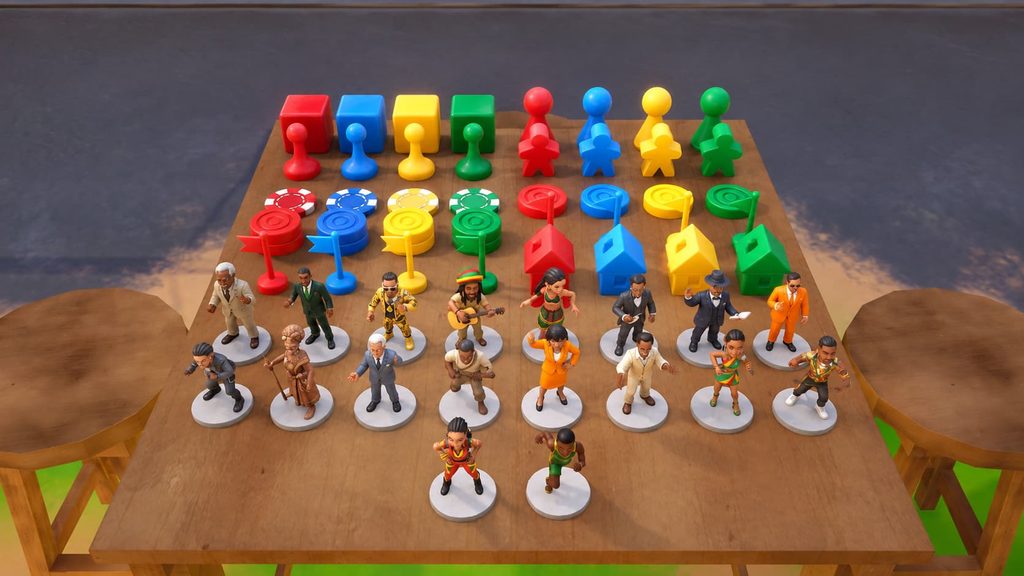
The 3D boards draw inspiration from Jamaican parishes and other Caribbean islands, while online multiplayer allows two to four people to play in public rooms, private games and tournaments. Solo players can also compete against computer-controlled opponents.
The game will launch on Steam Early Access for US$6.99, with free, ad-supported versions for iOS and Android planned to follow. On PC, cosmetics are earned through gameplay rather than in-app purchases.
The developers also plan to use Early Access to explore something Jamaicans know well: not every yard plays Ludi exactly the same way. Feedback from players will help inform the addition of house-rule variations as development continues.
For Jamaicans in the diaspora, that creates an interesting possibility: the familiar experience of playing Ludi with family and friends no longer has to end when everyone lives in different countries.
Duppy Detective: Tashia Turns Folklore Into Gameplay
A missing cell phone, a market hidden beneath a sprawling cotton tree and a murder involving duppies provide the foundation for Duppy Detective: Tashia, released on Steam in June 2026.
Developed by Kingston-based one-man studio Spritewrench, the point-and-click mystery adventure follows Tashia as the search for her stolen phone leads her into Halfway Market, a supernatural marketplace populated by duppies.
What begins as a search for her property quickly becomes a murder investigation. Players explore the market, interrogate suspects and gather clues while encountering characters and creatures drawn from Jamaican and wider Caribbean folklore, including Anansi.
Rather than treating those references as background decoration, Duppy Detective makes them central to the world players must understand and navigate.
The approach appears to be finding an audience beyond Jamaica. Spritewrench said the game launched with approximately 12,000 Steam wishlists and described the response as encouraging evidence of an appetite for culturally grounded stories in spaces where they have not traditionally received much attention.
The game’s music also carries that cultural approach. Composer Chase Bethea has described creating what he calls a “Caribbean Noir” sound for the game, combining the atmosphere of the detective story with musical influences appropriate to its setting.
Duppy Detective: Tashia is available on Steam.
Gravity’s Edge: Brings Jamaican Flair to New Worlds
Gravity’s Edge, an action-adventure game from Kassle Games LLC, takes players into colourful extraterrestrial worlds where manipulating gravity is fundamental to getting around.
Players can run upside down, navigate unusual environments, battle aliens and uncover hidden areas either alone or in local co-op. Kassle Games describes those worlds as having “BIG Jamaican flair”, bringing elements of the developers’ cultural identity into a science-fiction setting rather than building a game around a traditional cultural story.
That distinction is important.
Jamaican representation in games does not have to mean every title is explicitly about Jamaica. Developers can also take their perspectives, humour, aesthetics and creative influences into genres that already command international audiences.
Released on May 6, 2026, Gravity’s Edge is available on Steam for PC.
Ourlands: Cosy Island Building Full of Chill Vibes
Independent developer Graham Reid, better known as GrahamOfLegend, takes a decidedly relaxed approach with Ourlands, a cosy island-building game released on Steam and the Epic Games Store in June 2026.
There are no enemies to defeat, cities to manage or objectives demanding players’ attention. Instead, players create small islands at their own pace, discovering items and arranging environments ranging from beachside campfires to quiet rocky landscapes.
The philosophy behind the game is summed up by Reid simply: “No goals, no management, just vibes.”
Players can also turn their creations into virtual postcards and share them with others, with Reid inviting the community to submit their creations for the possibility of being featured in the game.
While several of the games featured here draw directly on Jamaican culture, Ourlands shows another side of the country’s game development talent. Reid is creating for the international cosy gaming genre, demonstrating the range of games emerging from the local development community.
Building an industry worth supporting
Getting a game onto a global platform does not guarantee that players will find it.
For independent developers competing against thousands of releases, visibility matters. Wishlisting an upcoming game, buying or downloading a release, leaving a review, following the developer and sharing a title with other gamers can all help a small studio reach a larger audience.
For Jamaica’s emerging game development community, that home-grown audience may be particularly important.
As Henry argues, the talent and ideas already exist. The question is whether an ecosystem can develop around them that allows more Jamaican creators to turn those ideas into sustainable businesses.
The current crop of releases offers a glimpse of what that could look like: Jamaican developers using one of the world’s most powerful entertainment mediums to tell their own stories, reinterpret familiar traditions and create entirely new worlds for players everywhere.
And they are doing it on the same global platforms as everyone else.