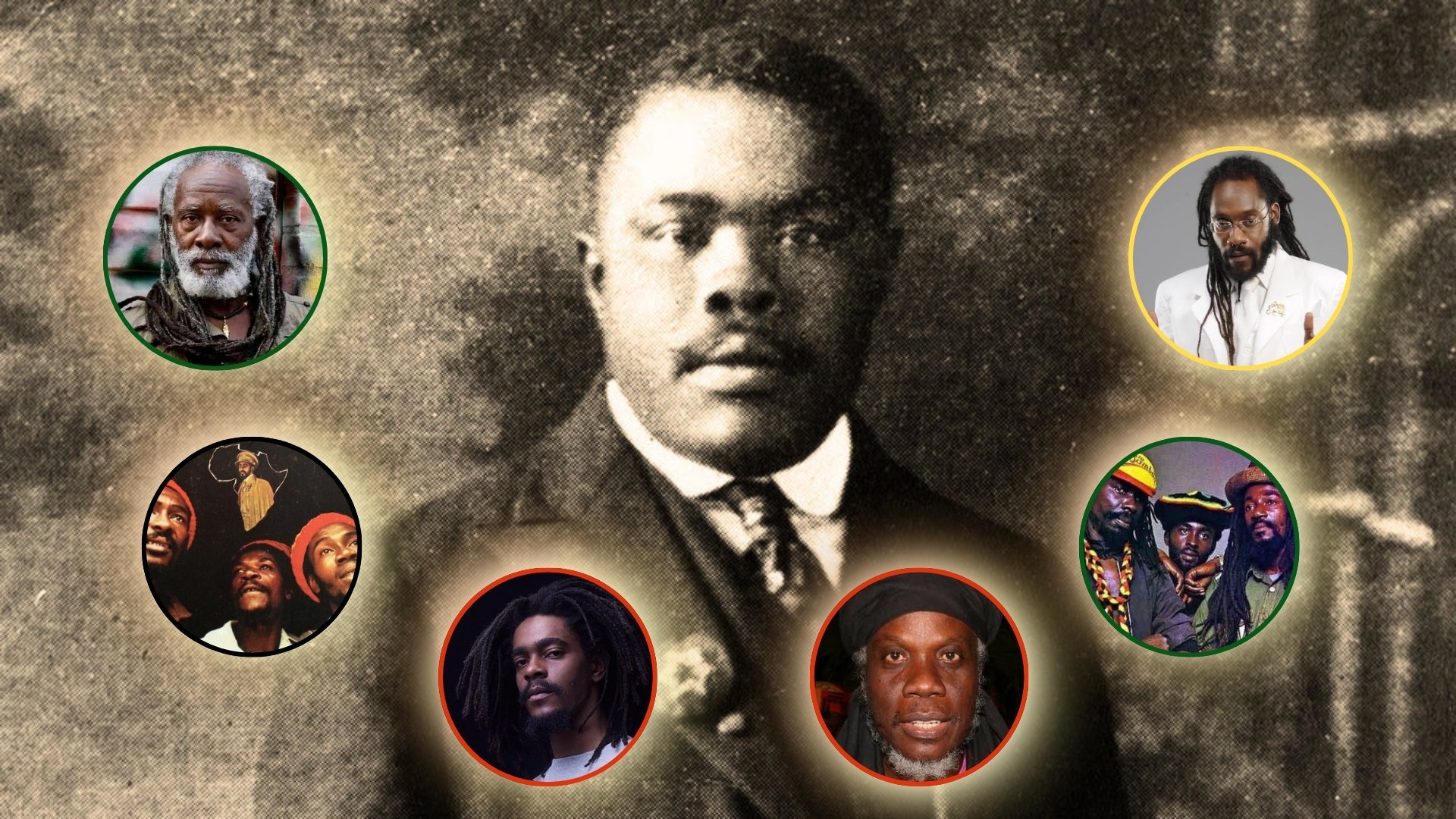
More than 80 years after his death, the words and ideas of Jamaica’s first National Hero, the Right Excellent Marcus Mosiah Garvey, ONH, continue to reverberate around the world.
Garvey urged people of African descent to know their history, take pride in their African heritage, retain their culture, build for themselves and recognise their collective power. Long after his speeches ended, music became one of the most powerful vehicles through which those ideas continued to travel.
Few genres have carried Garvey’s message as consistently as reggae. From the rise of roots reggae in the 1970s to contemporary reggae artists decades later, musicians have invoked his name, repeated his teachings and introduced his philosophy to generations born long after his death.
Across the decades, those artists have drawn on different aspects of Garvey’s message — from knowing your history and retaining your culture to racial pride, African unity, self-determination and recognising your own worth.
Here are some of the songs that have helped keep his message alive.
1. Burning Spear — “Marcus Garvey” (1975)
Perhaps no reggae artist is more closely associated with keeping Garvey’s message alive through music than Burning Spear. His landmark 1975 album Marcus Garvey helped make Jamaica’s first National Hero and his teachings part of the international language of roots reggae.
The title track opens with one of reggae’s most enduring declarations:
“Marcus Garvey words come to pass.”
Burning Spear points to hunger, poverty and hardship as evidence that Garvey’s warnings about the condition of Black people remained relevant. Throughout the album, Garvey’s life, teachings and treatment become a lens through which Spear explores African identity, Black consciousness, history and liberation.
It was a powerful meeting of Garveyism, Rastafari and roots reggae — one that helped carry Garvey’s ideas beyond Jamaica to an international audience and cemented Burning Spear as one of the foremost musical custodians of his legacy.
2. The Visionaires — “Marcus Garvey” (1982)
For The Visionaires, keeping Garvey’s message alive begins with teaching it to the next generation.
“The philosophy of Marcus Garvey should be taught in the school classes.”
The group calls for Garvey’s philosophy to be taught not only in schools but throughout society, repeatedly urging teachers to teach young people about his ideas. They also argue that important aspects of Garvey’s message and prophecies have been hidden.
The song is therefore both tribute and demand: don’t simply teach children Garvey’s name; teach them what Marcus Garvey actually stood for.
3. Third World & Man of Nobility Ensemble — “Man of Nobility” (1987)
Recorded by the Man of Nobility Ensemble, a collective of Jamaican artists that included members of Third World and other notable performers, the song pays tribute to Garvey by drawing directly on the words and slogans that defined his movement, including “Up, you mighty race,” “One God! One Aim! One Destiny!” and “Africa for the Africans.”
But its central message is about responsibility:
“Though he is gone / We must carry on.”
The song captures Garvey’s calls for African unity, racial pride and self-determination while reminding succeeding generations that remembering him is not enough. The work must continue.
4. Culture — “Marcus” (1992)
Culture’s “Marcus” argues that Garvey’s teachings remain a blueprint for how Black people can move forward.
Joseph Hill repeatedly declares that “Brother Marcus never lived in vain” before delivering the song’s central message:
“If you followed that man’s words / You will live again.”
The song explains what that can mean in practice: respect Black leaders, support one another, encourage poor people to be ambitious and prepare the next generation to become the lawyers and doctors of tomorrow.
For Culture, Garvey’s philosophy is not simply something to remember. It is something to live.
5. Tarrus Riley — “Love Created I (Marcus Teaching)” (2008)
More than three decades after Burning Spear’s landmark album, Tarrus Riley opens “Love Created I” by making clear whose philosophy he wants his generation to hear:
“Give us the teaching of Marcus Garvey.”
Riley then applies those teachings to modern questions of Black identity. He challenges white religious imagery, skin bleaching and the psychological effects of racism and colonialism, describing the condition as a form of “new millennium slavery.”
Garvey’s presence is therefore more than a namecheck. Riley uses his teachings on racial pride and knowledge of self to challenge Black people to examine how they see themselves.
6. Silkki Wonda — “Black Marcus” (2015)
“Black Marcus” opens by taking listeners directly to Garvey’s own words, with an excerpt from one of his most famous addresses:
“There is no future for a people who deny their past.”
The excerpt continues with Garvey reflecting on the sacrifices of his foreparents and declaring that the education he received would be used for the advancement of Black people around the world.
Silkki Wonda then carries that philosophy into the song with a message about self-worth, purpose and vision:
“You’re special, you’re special, you have your vision and your dream.”
Together, the two messages connect knowing where you come from with recognising where you can go. “Black Marcus” creates a bridge between Garvey’s generation and a new one, encouraging listeners to know their history, recognise their worth and pursue a vision that can uplift both themselves and their people.
7. Perfect Giddimani — “Inna Marcus Name” (2020)
Perfect Giddimani’s “Inna Marcus Name” places Garvey within a much wider history of Black resistance and liberation.
“Marcus Garvey ah my hero.”
The song invokes Garvey alongside figures including Nelson Mandela, Kwame Nkrumah, Malcolm X, Rosa Parks, Martin Luther King Jr., Patrice Lumumba and Harriet Tubman while urging listeners not to forget their roots and culture.
Eighty years after Garvey’s death, Perfect returns to one of the principles at the heart of Garveyism: liberation begins with knowing who you are and where you come from.
Garvey’s Message in Hip Hop
Jamaica wasn’t the only place where Garvey’s impact can be seen and felt. In the United States, where he built the UNIA into a mass movement and launched the Black Star Line, Garvey left an indelible mark on Black consciousness through his advocacy for Black pride, economic independence, African unity and self-determination.
It is unsurprising, then, that those messages would find their way into hip-hop. Although these two influential musical genres emerged from different places and circumstances, both became powerful vehicles for Black consciousness, resistance and the reclamation of identity. Garvey’s presence in both connects these musical traditions, with generations of artists drawing on his name, words and ideas to speak about Africa, oppression, Black identity and liberation.
Kendrick Lamar — “HiiiPoWeR” (2011)
Kendrick Lamar opens “HiiiPoWeR” with a powerful call to action:
“The sky is falling, the wind is calling / Stand for something or die in the morning.”
That demand to “stand for something” recalls the Black liberation leaders Lamar invokes throughout the song — figures who challenged Black people to resist oppression, reclaim their identity and fight for their rights. Among them is Marcus Garvey, whose movement called on people of African descent to take pride in who they were and recognise their collective power.
Lamar later makes the connection explicit:
“Last time I checked, we was racin’ with Marcus Garvey / On the freeway to Africa ’til I wreck my Audi.”
The imagery connects Garvey to Africa and the idea of reconnecting with the continent, while the wider song draws on the same themes of awakening, resistance and Black empowerment that have carried Garvey’s influence through generations of conscious music.
Wu-Tang Clan — “Careful (Click, Click)” (2000)
Wu-Tang Clan’s “Careful (Click, Click),” from the group’s 2000 album The W, invokes a different chapter of Garvey’s story.
RZA raps:
“Exported Marcus Garvey cause he tried to spark us / With the knowledge of ourselves and our forefathers.”
Here, Garvey represents both historical consciousness and the perceived threat posed by Black leaders who encouraged people to understand their history and collective power.
The reference also points towards one of the defining episodes of Garvey’s life in the United States. After being convicted of mail fraud and imprisoned, his sentence was commuted and he was deported from the United States to Jamaica in 1927.
Within the song, however, that history becomes part of a larger argument about power: knowledge of self can itself be revolutionary.
Black Star — Garvey’s Legacy in a Name
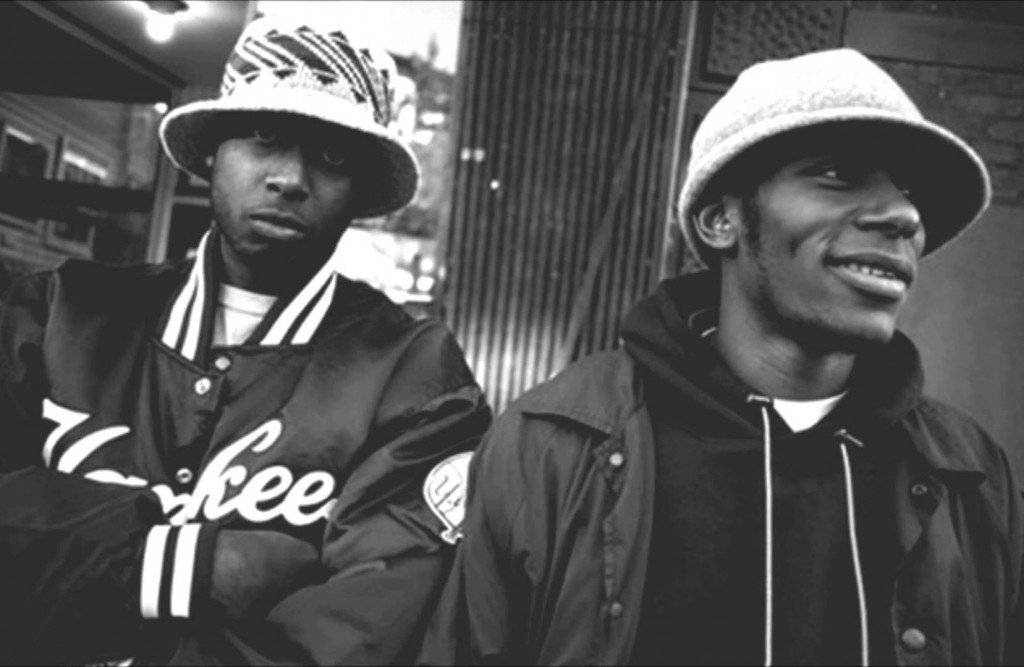
For Yasiin Bey, formerly Mos Def, and Talib Kweli, Garvey’s influence is embedded in the very identity of their duo. Black Star takes its name from Garvey’s Black Star Line, a symbol of his vision for Black enterprise, self-reliance and Pan-African unity.
That connection carries into their 1998 debut album, Mos Def & Talib Kweli Are Black Star. Its opening song, “Astronomy (8th Light),” introduces the Black Star before immediately turning to a call for unity:
“Black people — unite, and let’s all get down.”
From there, the song explores Blackness, identity and consciousness, setting the tone for an album steeped in Black liberation and self-worth. In Black Star, Garvey’s influence is therefore more than a lyrical reference — his symbolism and Pan-African ideals became part of the group’s identity and message.
A Message Music Refuses to Let Die
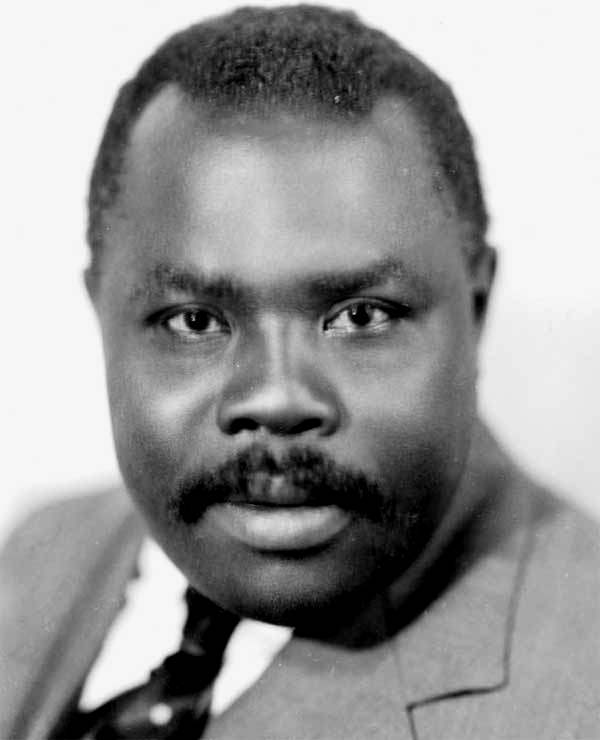
Marcus Garvey died in London in 1940, decades before reggae emerged and more than 30 years before hip-hop began taking shape in New York. Yet he became a central presence in both.
Artists have done more than memorialise him. They have carried different parts of his philosophy forward: Burning Spear declared that his words had come to pass; The Visionaires demanded that his teachings reach the classroom; “Man of Nobility” called on succeeding generations to carry on his work; Culture urged listeners to live by his words; and Tarrus Riley applied his teachings to modern struggles over Black identity and self-image.
The message even travelled beyond reggae, appearing in the work of hip-hop artists generations and thousands of miles removed from Garvey’s Jamaica.
More than a century after his movement rose to international prominence, music continues to do what it has done for generations: call his name, remember his history and keep his message alive.