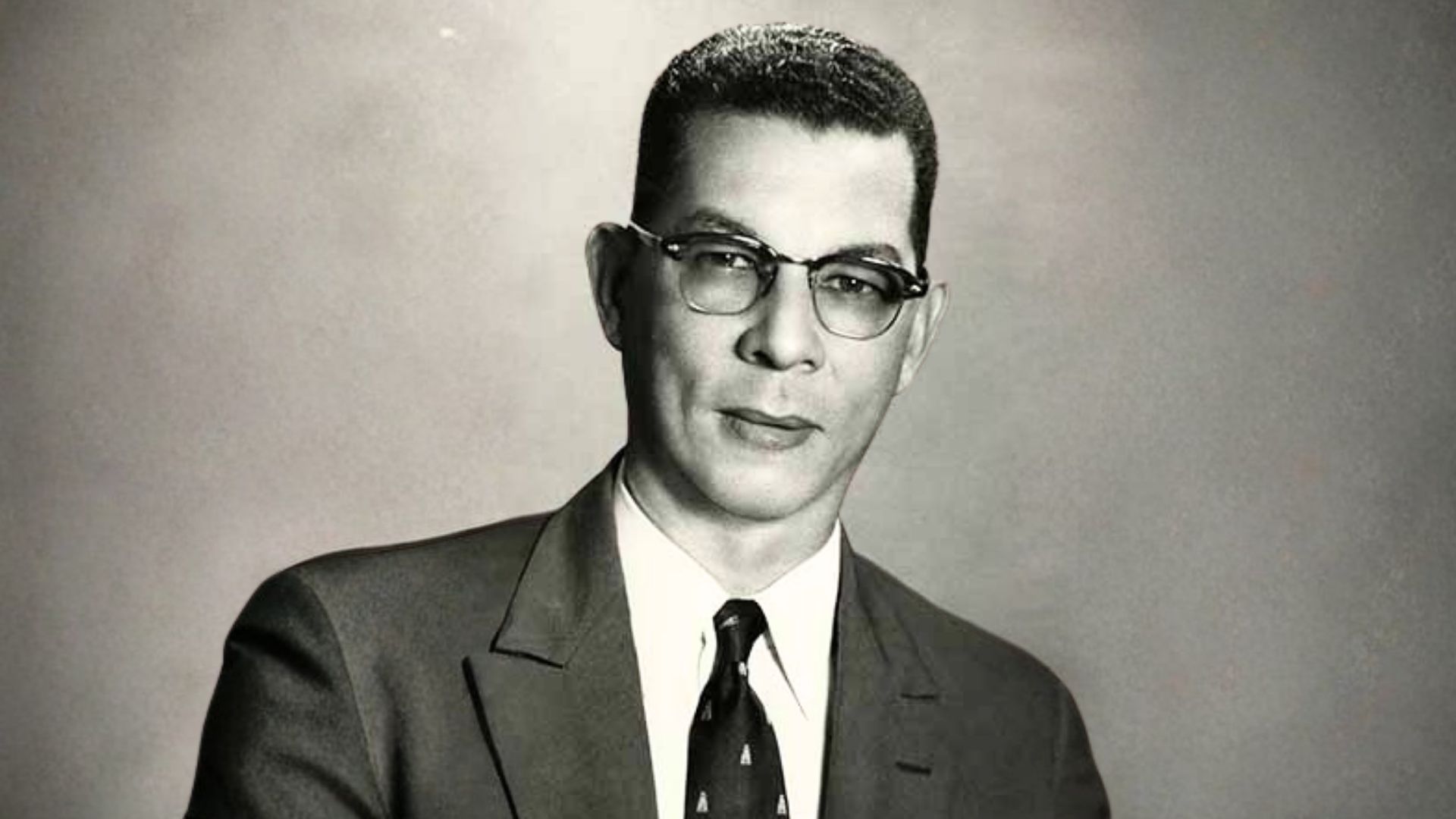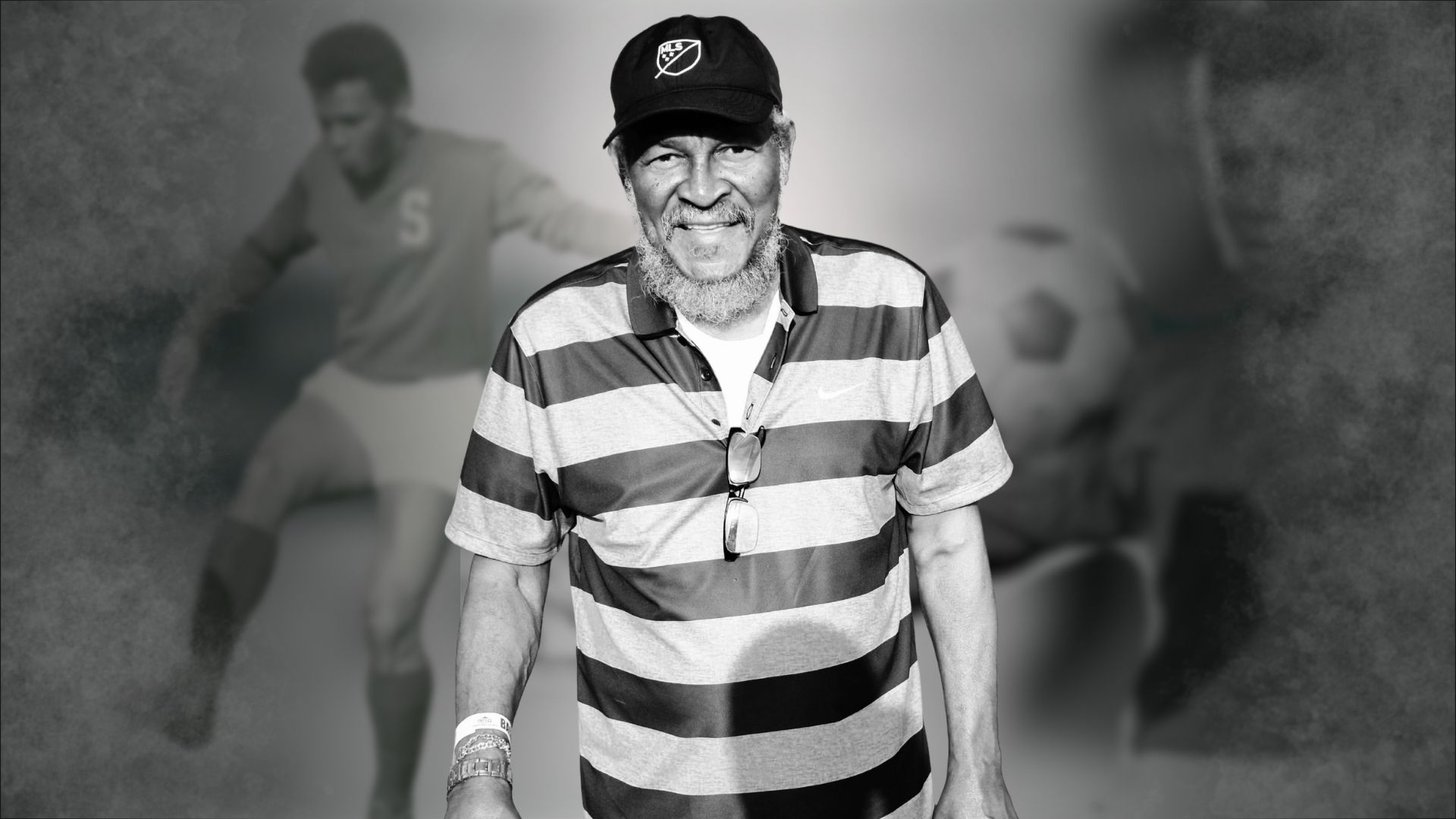
Trevor “Jumpy” Harris, one of the standout footballers of Kingston College’s celebrated 1960s teams who later became a two-time All-American and national champion at Michigan State University, has died.
Harris passed away on September 10th in the City of Kingston, New York, following a prolonged illness. His death has prompted tributes from the Kingston College community and those who remember a football career that took him from the heights of Jamaican schoolboy football to the highest level of the American collegiate game.
His life also intersected with two other major figures in Jamaican cultural and sporting history. Harris shared a close friendship with Jamaican football legend Allan “Skill” Cole and, through the football fraternity surrounding Cole, became part of the circle around reggae icon Bob Marley.
Part of a Golden Era at Kingston College
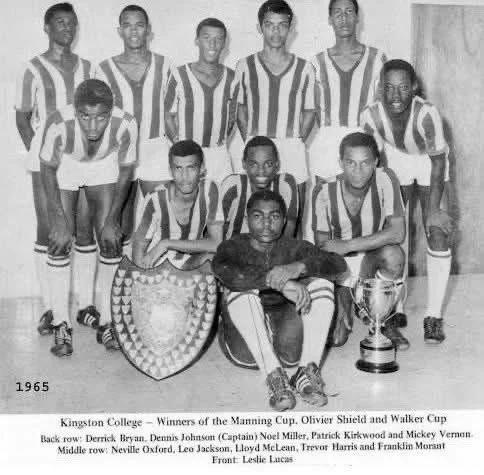
Harris established himself as one of the standout players of a Kingston College generation that remains legendary in Jamaican schoolboy football.
A clinical finisher, he was a member of KC’s unbeaten 1964 and 1965 teams, which captured the Manning Cup, Walker Cup and Olivier Shield in consecutive seasons. The 1964 squad became the school’s first Manning Cup team to complete the Triple Crown and is widely regarded as one of the greatest schoolboy football teams Jamaica has produced.
The numbers help explain the reputation. Ten members of the 1964 squad were selected to the All-Manning team, while KC demolished previously unbeaten Kingston Technical 10–1 during its march to the titles. The quality of the team was evident even against senior opposition, with KC defeating a Cavaliers side featuring eight national players 2–1 in preparation for the season.
Harris was part of a formidable group that included Tony Keyes, Neville Oxford, Franklin “Bowla” Morant and Lloyd McLean. A KC-dominated All Schools team also held a visiting Brazilian Under-21 side to a 1–1 draw, with Harris later recalling that Neville Oxford struck the post late in the match.
Decades later, the significance of those seasons remained with him.
“I find it incredible that after 45 years the KC 1964/65 Manning Cup team still generates so much interest and provides so many precious memories to so many people,” Harris told KC Times in 2009. “I am blessed to have been a member of that historical team.”
The team’s success was accompanied by a strong emphasis on academics. Coach George Thompson and the school administration expected the players to maintain good academic standards, and several members of that generation subsequently earned scholarships that opened opportunities beyond Jamaica.
Harris would be among them, taking the talent he had already demonstrated at KC to Michigan State University, where another remarkable chapter of his football career would begin.
Standout at Michigan State
In the late 1960s, Harris became one of a group of Kingston College footballers recruited to Michigan State University, joining a Jamaican contingent that included Tony Keyes, Frank Morant and Leslie Lucas.
Harris later recalled that Keyes played an important role in bringing him to Michigan State.
“There was a whole line of greats before me,” Harris said in a 2008 interview recalled by Michigan State. “Tony was the main reason I came to Michigan State. He wanted me there. And I wanted to be there.”
The transition from Jamaica to East Lansing came with more than football adjustments. Harris joked about the culture shock of leaving Jamaica’s sunshine and encountering a Michigan winter, including more than two feet of snow.
On the field, however, he quickly demonstrated why he belonged.
In remarks prepared for his eventual Michigan State Athletics Hall of Fame induction, Harris remembered a conversation with coach Gene Kenney ahead of his first varsity game. Returning All-American Guy Busch already occupied Harris’s position at centre forward, but an ankle injury ruled Busch out.
Harris got the start.
“We won the game 5-0. I scored all five goals,” he recalled.
When Busch returned, Harris moved to outside left. By the end of the season, Harris was a First-Team All-American and Michigan State had won a share of the national championship.
It was the beginning of an extraordinary collegiate career.
Two National Championships and All-American Honours
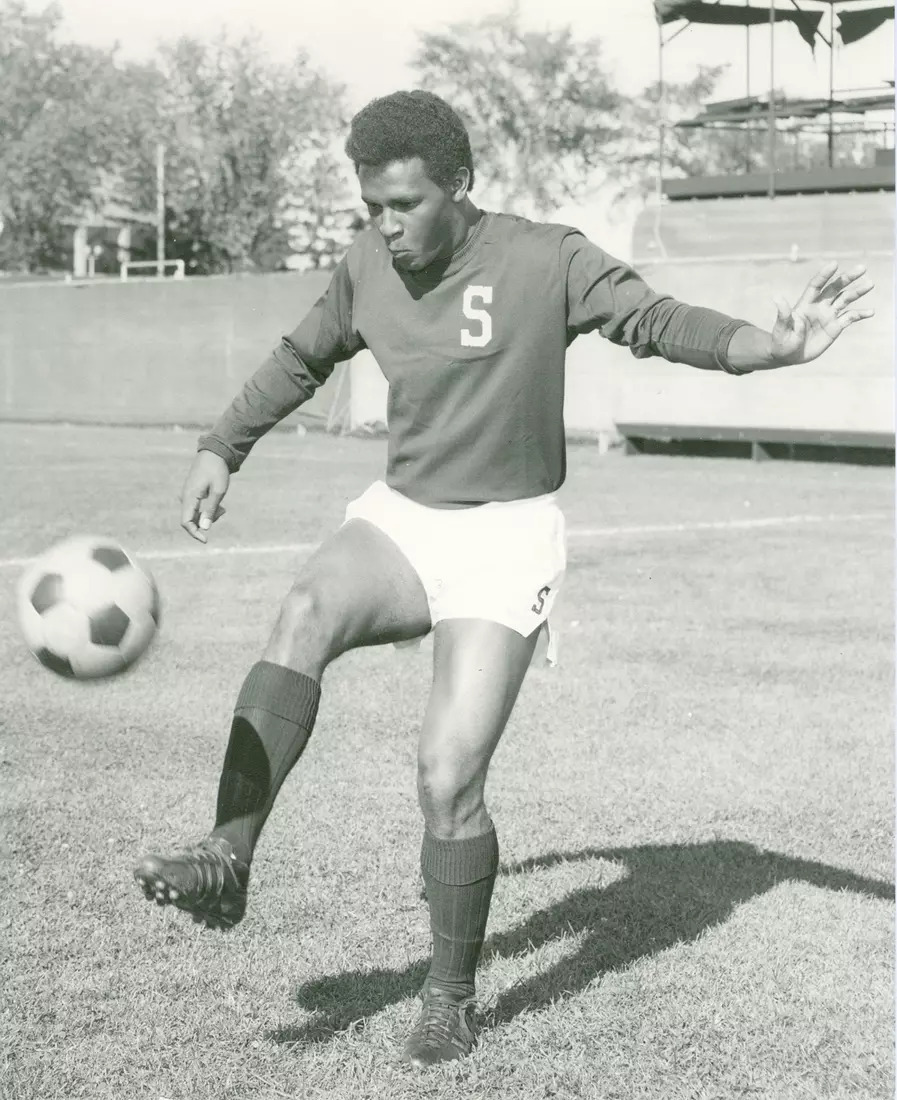
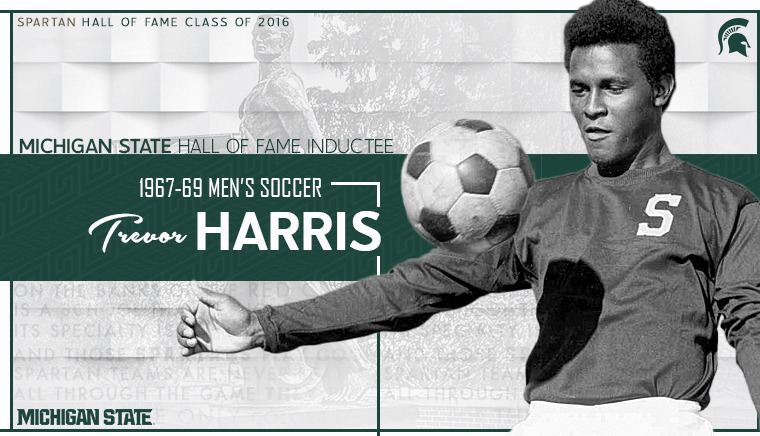
Harris played for Michigan State from 1967 to 1969 and helped the Spartans win back-to-back NCAA co-championships in 1967 and 1968.
He scored 23 goals as a sophomore in 1967 as Michigan State went undefeated at 12-0-2. The Spartans defeated Long Island 4-0 in the NCAA semifinal before a scoreless draw with St Louis resulted in the teams sharing the national championship.
Harris followed that campaign with 15 goals and 14 assists in 1968, earning First-Team All-American honours for a second consecutive year as Michigan State again finished as national co-champions.
Despite a serious ankle injury late in the 1968 season, he returned in 1969 and announced his comeback by scoring three goals in four minutes against Kent State. He finished that game with five goals.
Across his Michigan State career, Harris scored 48 goals and accumulated 116 points. He was inducted into the Michigan State Athletics Hall of Fame in 2016, becoming the first member of the university’s men’s soccer programme to receive the honour.
Those who played with and watched Harris remembered more than his statistics.
In a video produced for his Hall of Fame induction, he was described as a powerful and highly skilled athlete who possessed a natural passion for the game. Former teammates also remembered a soft-spoken player who rarely became flustered and whose composure was evident on the field.
His son, who represented Harris at the induction ceremony because of his father’s health challenges, spoke of a father who placed education first and instilled values that extended well beyond sport.
For Harris, his success at Michigan State ultimately came back to some of those same principles.
“The season taught me the value and the importance of loyalty, commitment and, most of all, teamwork,” he said in his induction remarks.
The Football Connection to Bob Marley
Football would also connect Harris to another Jamaican legend: Bob Marley.
Cole became one of Marley’s closest friends and later served as road manager on the reggae star’s final tour in 1980. Marley himself was an avid footballer and developed friendships with several players from the Kingston College fraternity through informal games.
Harris would play a small but significant role during one of the most difficult periods of Marley’s life.
In a 2010 Jamaica Gleaner article, Cole recalled that after Marley became ill during his final US tour, it was Harris, his former KC and Santos teammate, who suggested that they seek out German physician Dr. Josef Issels.
According to Cole’s account, they learnt that Issels was attending a cancer symposium in New York and paid a hotel bellhop to help them gain access to the doctor. Marley subsequently travelled to Germany, where he received treatment from Issels as he continued his battle with cancer.
It was another connection in a remarkable football fraternity that brought together some of Jamaica’s leading sportsmen and one of its greatest musicians.
Remembering Jumpy
Those who knew Harris remembered more than the goals and championships. Former teammates and coaches described a naturally gifted footballer with a deep love for the game, but also a soft-spoken, composed teammate who rarely became flustered on the field.
That football legacy continued through his family. Harris was the father of seven children, including Wolde Harris, who followed him into the sport, playing collegiate football at Clemson University before going on to play professionally in Major League Soccer. Another son, Dadi, also played professionally.
At his Michigan State Hall of Fame induction, Harris’s son spoke of a father whose influence extended well beyond football, crediting him with instilling the importance of education and values he has carried into his own life.
Harris himself identified some of those values when reflecting on the lessons football had taught him: “loyalty, commitment and, most of all, teamwork.”
Trevor “Jumpy” Harris is survived by his wife, children and family.