For many Jamaicans living overseas, one of the most difficult calls they can receive is news that a parent, grandparent or other loved one has died back home.
Along with the grief often comes another challenge: figuring out what happens to a loved one’s estate—known in Jamaica as “dead lef”—and how to begin what can be a lengthy, complicated and sometimes expensive legal process, particularly if they died without leaving a will.
Being thousands of miles away can make the situation even more daunting. Many members of the diaspora are unsure where to start, what documents are needed or even what forms part of a deceased person’s estate.
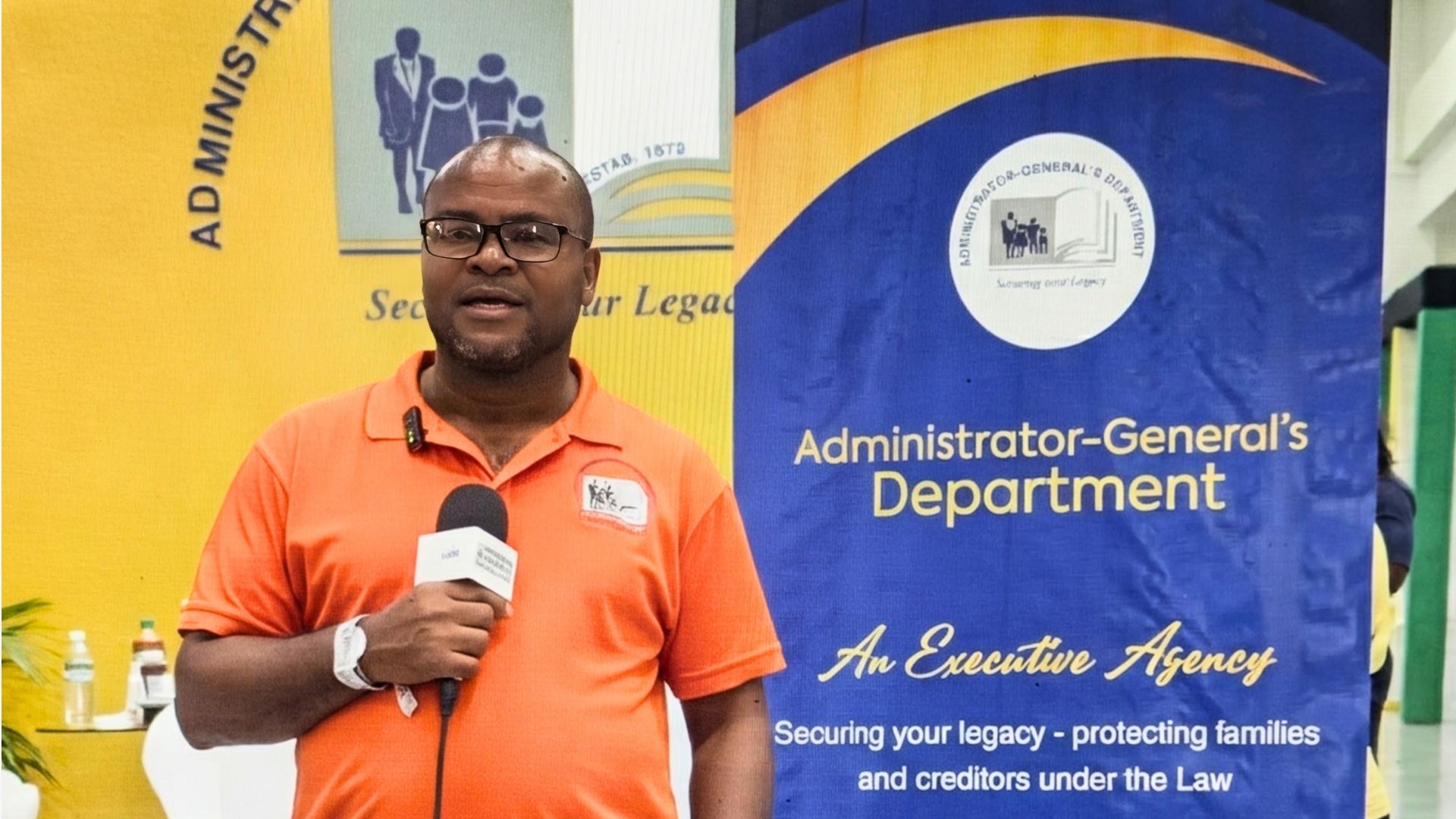
At the recently concluded 11th Biennial Jamaica Diaspora Conference, Jamaicans.com sat down with Oliver Morris, Customer Service Officer at the Administrator General’s Department (AGD), to better understand the role the department plays in helping families navigate the administration of certain estates and what every Jamaican in the diaspora should know before that need ever arises.
Here are seven important things we learned.
1. ‘Dead Lef’ Means More Than Just a House
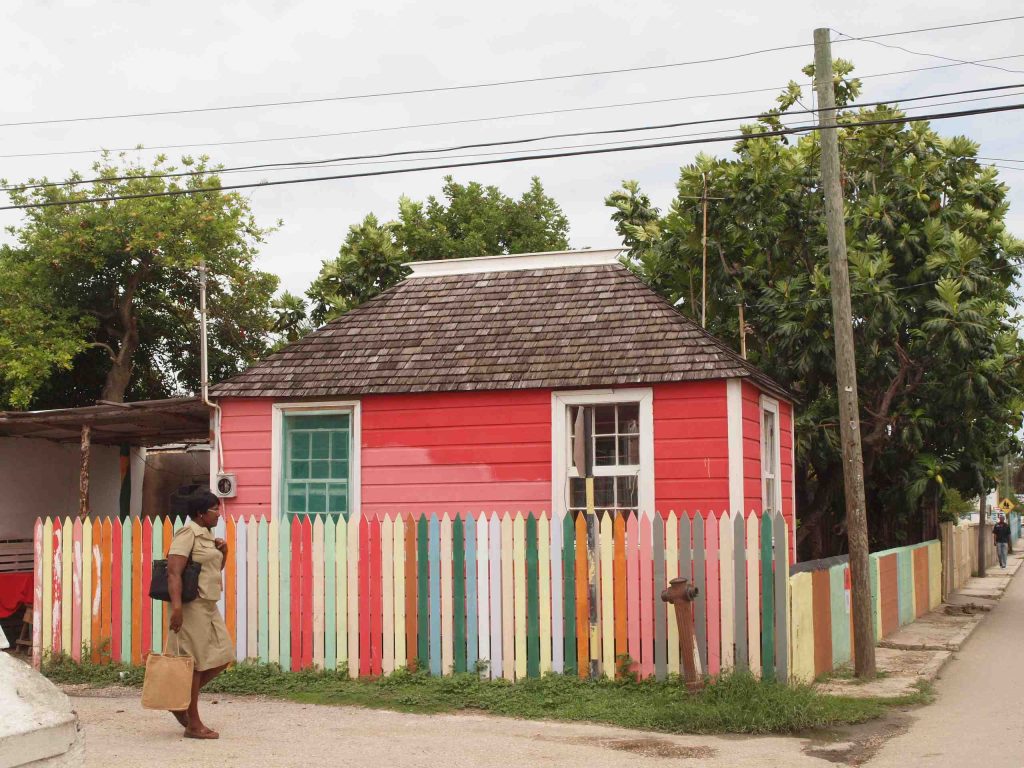
While Jamaicans commonly use the term “dead lef” to describe what someone leaves behind after they die, the legal term is the deceased person’s estate.
According to Morris, an estate is “the collection of all those assets owned by the deceased.” Under Jamaican law, those assets fall into two broad categories: real estate, which includes houses and land, and personal estate, which includes everything else of value owned by the deceased.
Understanding that distinction is one of the first and most important steps when dealing with a loved one’s affairs.
2. Your Loved One’s Estate May Be Worth More Than You Think
One of the Administrator General’s most important responsibilities is investigating a deceased person’s assets, not simply relying on what relatives already know about.
Morris said families often report the assets they know about, perhaps a family home or a bank account, but the department’s investigations frequently uncover additional assets that relatives never realised formed part of the estate.
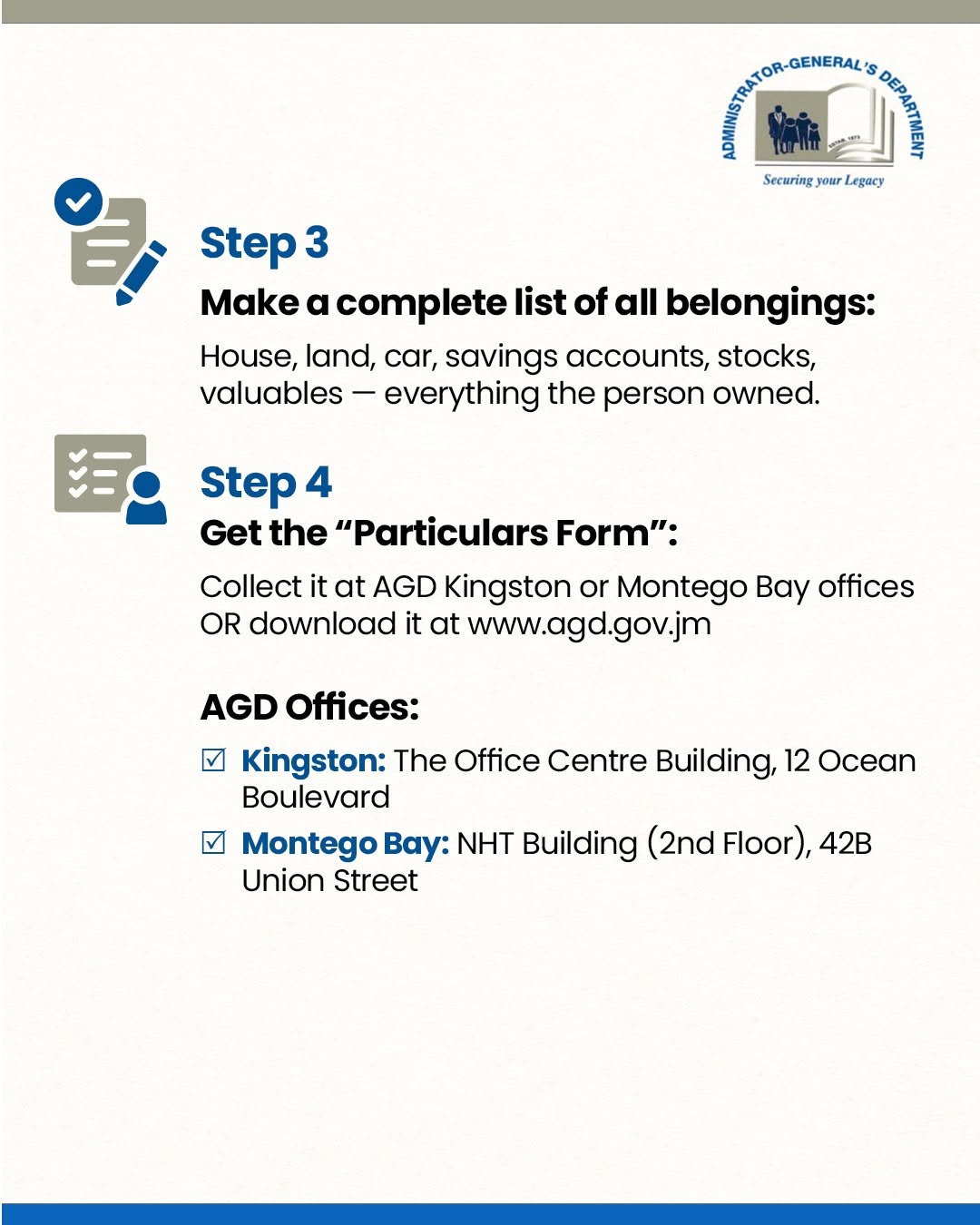
These may include savings and investment accounts, shares and stocks, life insurance policies, motor vehicles, firearms, unpaid salary and other employment benefits, refundable National Housing Trust (NHT) contributions, and even inheritances that had been left to the deceased but not yet received.
To ensure nothing is overlooked, the department contacts financial institutions and carries out its own investigations to identify assets that relatives may not have known existed before the estate is distributed.
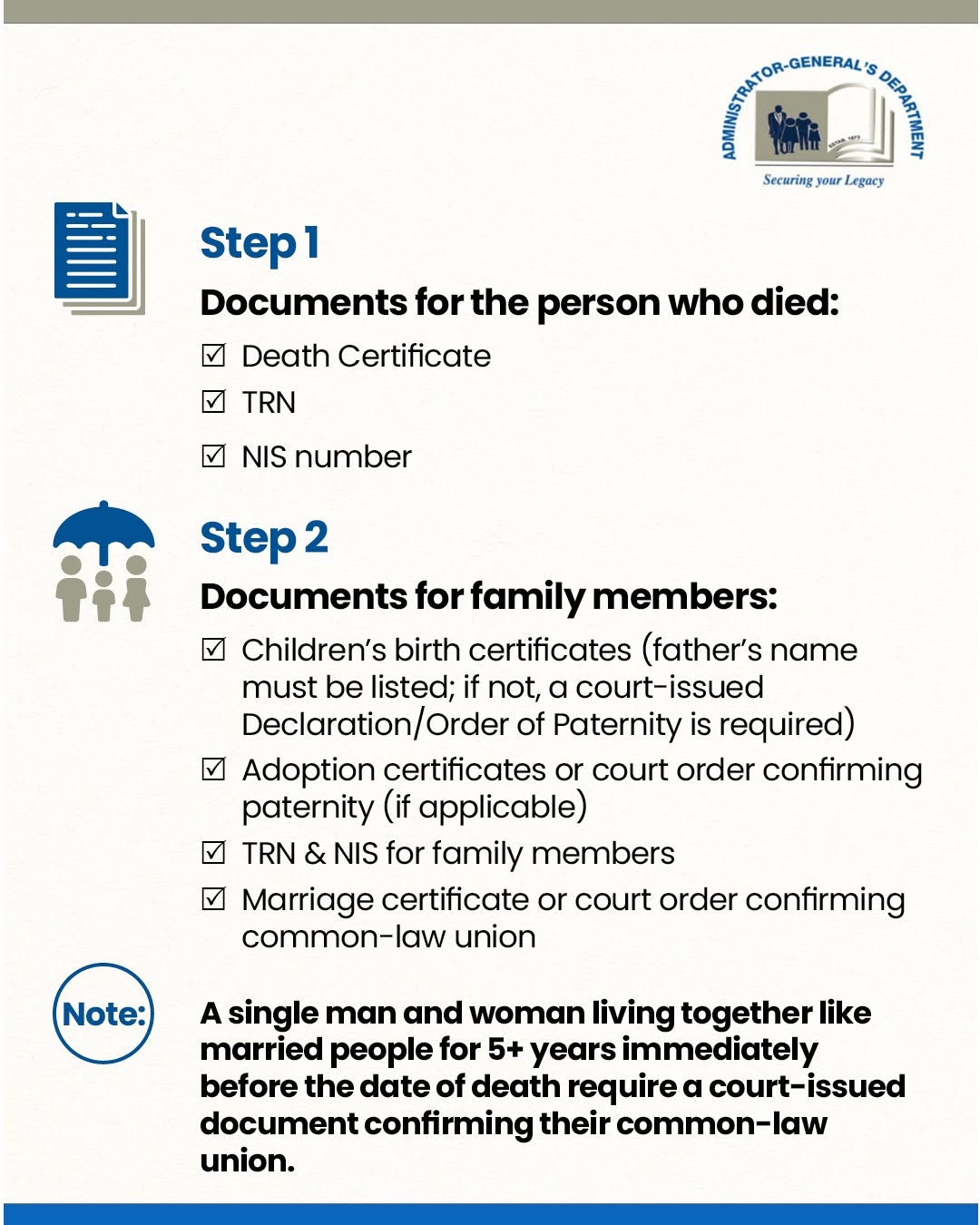
3. You’ll Need More Than a Death Certificate
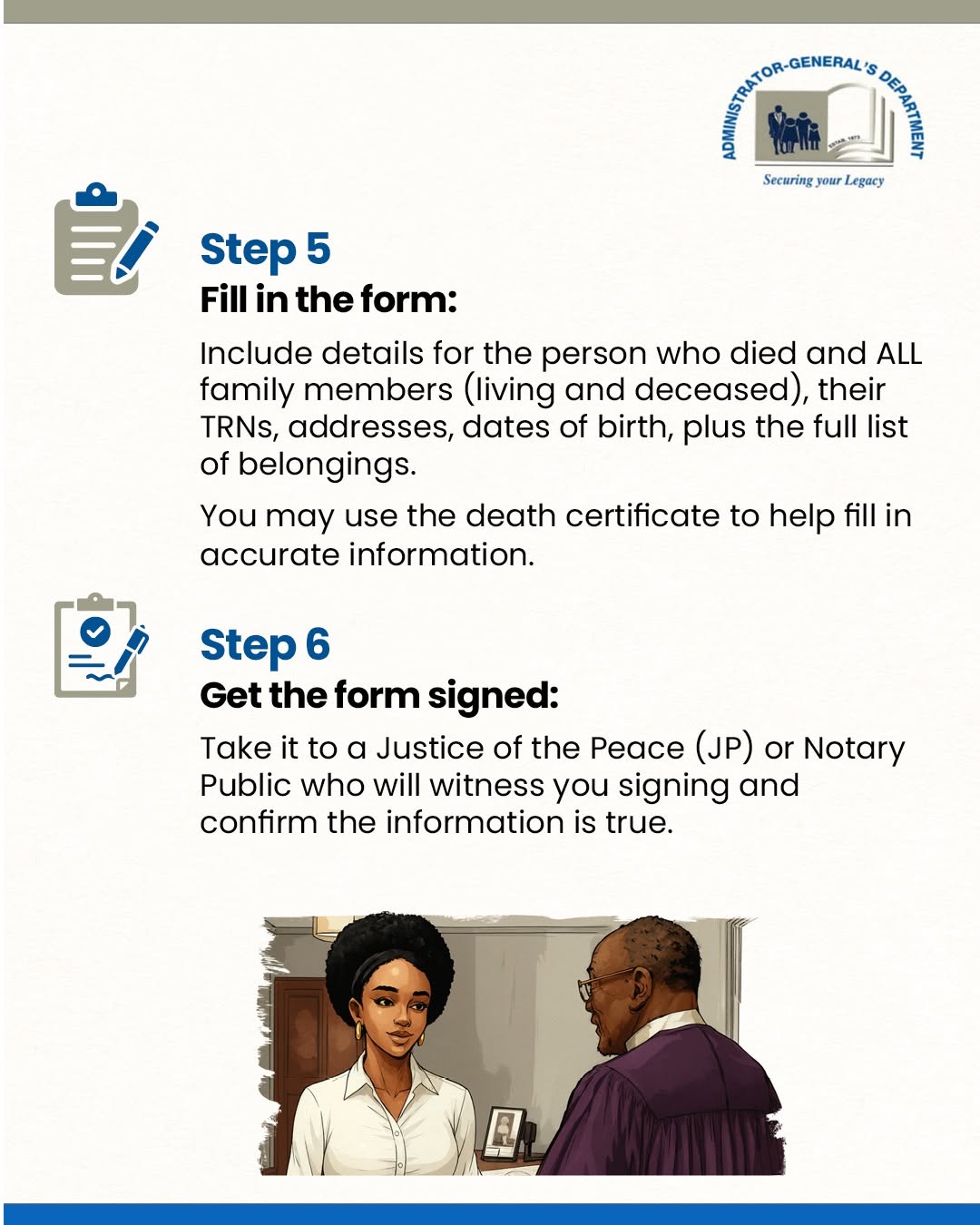
To begin the process, families are required to complete the Administrator General’s Form of Particulars, along with supporting documents relating to both the deceased and their estate.
These include the death certificate, the deceased’s TRN, identification for the deceased and close relatives, birth certificates for any children, and, where applicable, a marriage certificate or declaration of common-law relationship.
Families should also provide documents relating to the deceased’s assets, such as property titles, motor vehicle documents, bank and investment account information, and insurance policy details.
The Form of Particulars can be downloaded from the department’s website and must be signed before a Justice of the Peace in Jamaica or, for applicants overseas, before a Notary Public.

4. The Estate’s Debts Must Be Settled First
Many people assume beneficiaries receive their inheritance shortly after someone dies.
In reality, before anyone can inherit from an estate, the Administrator General must first determine whether the deceased owed any outstanding debts.
These may include funeral expenses advanced by relatives, bank loans, money borrowed from friends or colleagues, or other financial obligations incurred during the person’s lifetime.
The department also publishes notices inviting creditors to come forward with any legitimate claims before the remaining assets are distributed to beneficiaries.
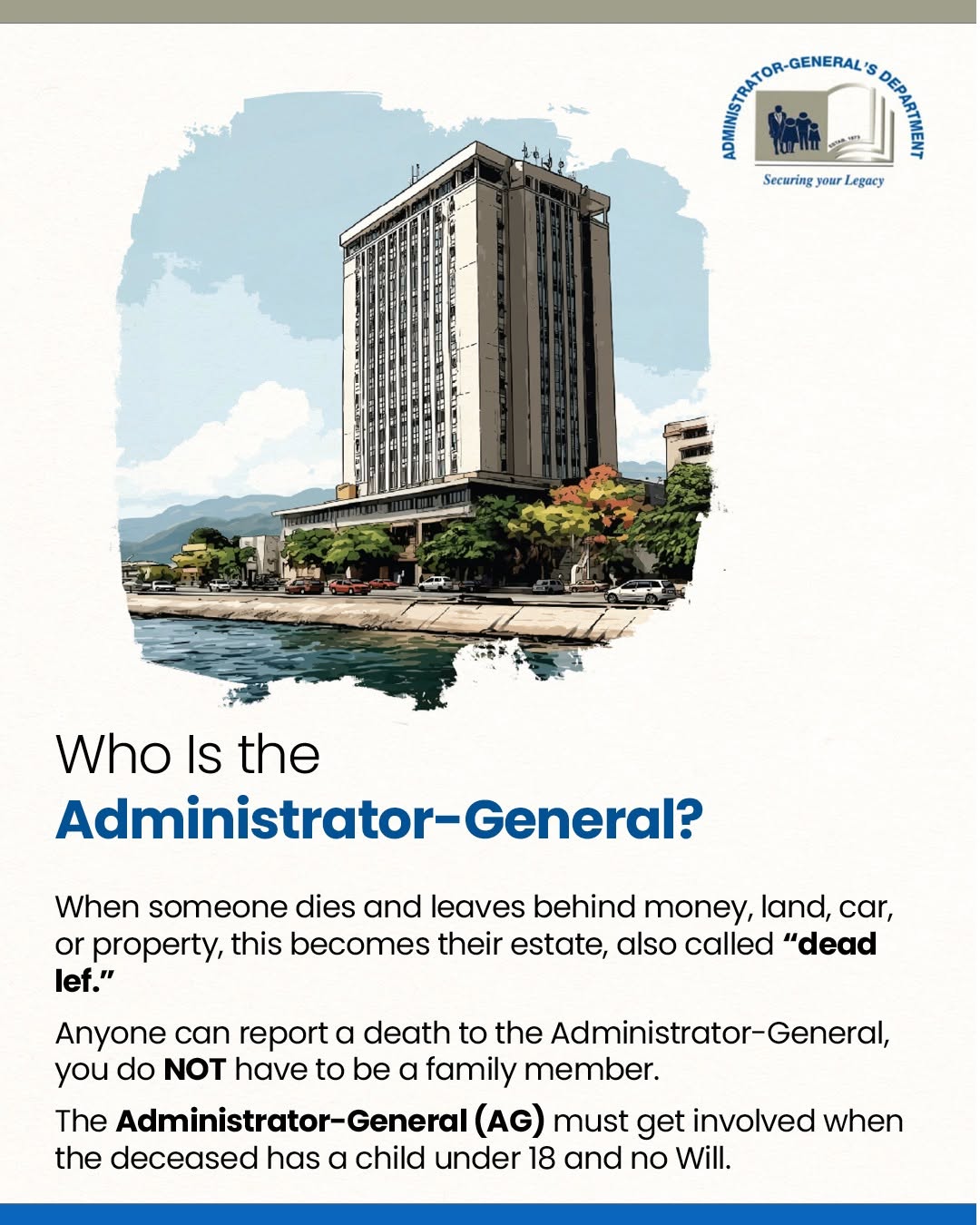
5. The Administrator General Doesn’t Handle Every Estate
The Administrator General’s Department becomes involved in specific circumstances, including when someone dies without leaving a will and leaves children under the age of 18. The department may also administer certain intestate estates where the total value of the assets, excluding real property, is J$1.5 million or less.
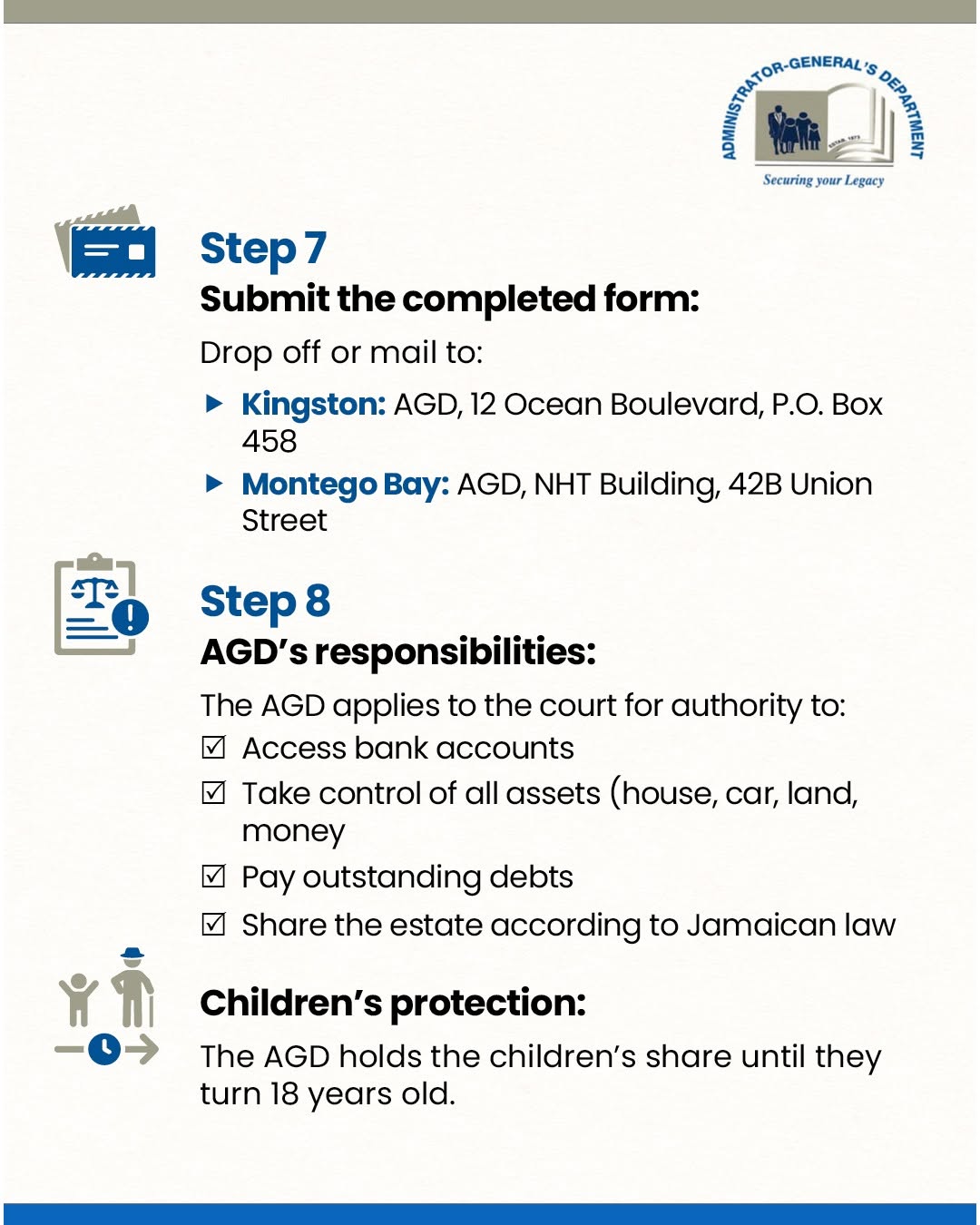
Its role is to identify and protect the deceased’s assets, investigate what forms part of the estate, settle any outstanding debts and ensure beneficiaries receive what they are legally entitled to under Jamaican law.
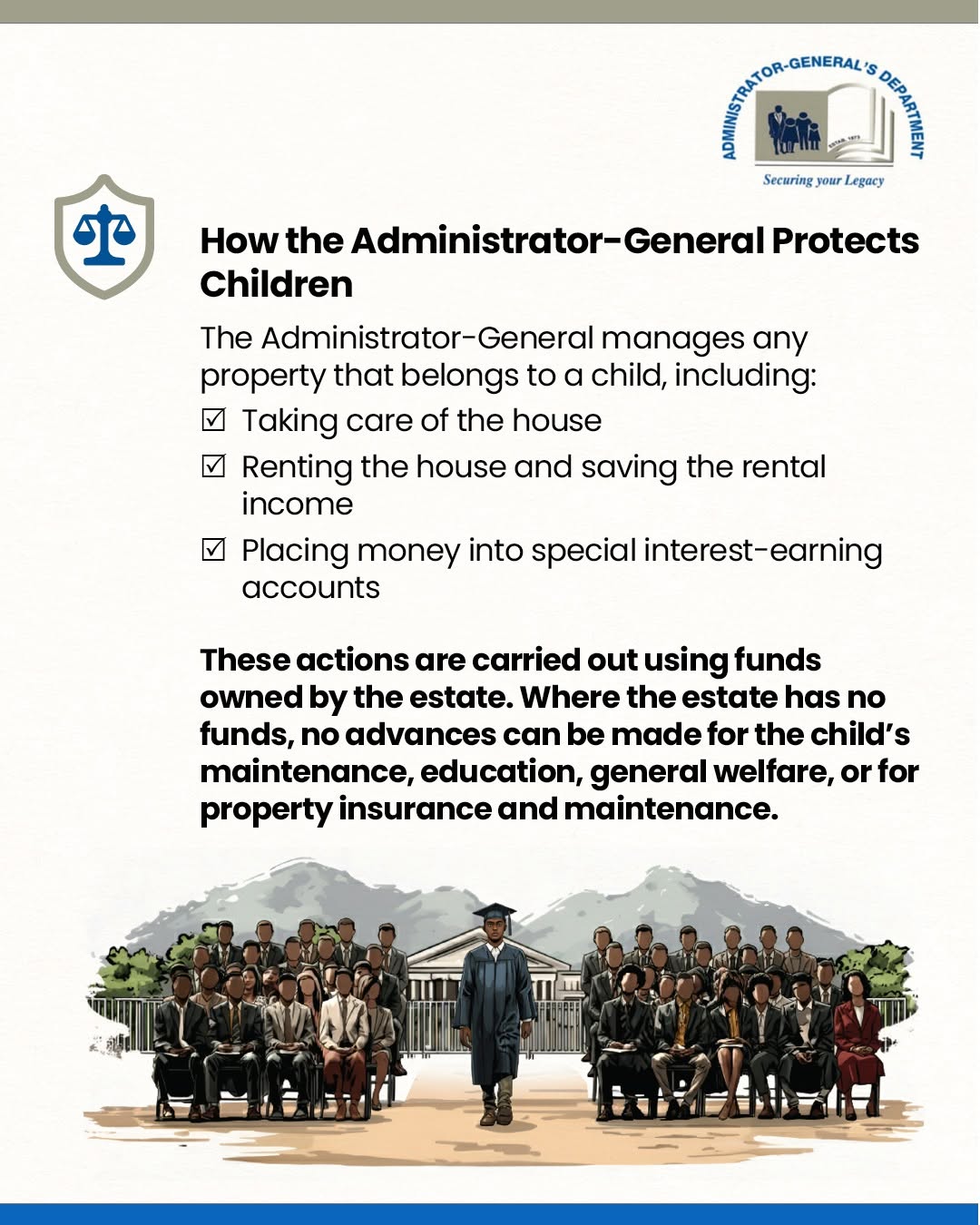
6. The Department Continues Managing Some Estates for Years
Where a person dies leaving children under the age of 18, the Administrator General continues administering the estate until the youngest child reaches adulthood.
During that time, the department is responsible for managing the estate, safeguarding its assets and ensuring the child’s legal interests are protected.
7. You Don’t Have to Return to Jamaica to Start the Process
For Jamaicans living overseas, one of the first questions is whether they need to travel to Jamaica to deal with a loved one’s estate.
According to Morris, much of the process can be handled remotely.
Persons overseas can complete the required forms before a Notary Public, submit documents by mail, communicate with the department by email and telephone, and receive payments through direct deposit, allowing many aspects of the process to be managed without returning to Jamaica.
Why This Matters for the Diaspora
Morris said the Administrator General’s Department received numerous enquiries during the Jamaica Diaspora Conference from Jamaicans seeking advice about estates left by parents and grandparents who died without a will.
Some wanted guidance on property, while others simply wanted to understand where to begin. The conversations highlighted just how many members of the diaspora find themselves trying to manage a loved one’s affairs from thousands of miles away.
Understanding what forms part of an estate, when the Administrator General can assist and what documents are required can help families prepare before the need arises and make an already difficult situation a little easier to navigate.
Where to Get Help
If a loved one dies without a will and you believe the Administrator General’s Department may be able to assist, you can download the Form of Particulars from the department’s website and begin gathering the required documents before making contact.
While no one wants to think about losing a loved one, understanding how Jamaica’s estate administration process works before you need it can save families time, reduce confusion and help ensure a loved one’s affairs are handled in accordance with the law.