For generations, Jamaican families living overseas have turned to a familiar solution when a young person needs a change of environment. They send them back home.
Sometimes it is about discipline or getting a young person away from influences that have the adults in their lives worried. Sometimes it is about perspective, reconnecting them with family and culture, or exposing them to a different way of life. And sometimes several of those things are wrapped up together.
The circumstances differ from family to family, but beneath the practice is often an unspoken belief that Jamaica has something the young person needs. Maybe it is even a little of that “natural mystic” Bob Marley sang about, something in the land, culture and community that can reconnect you to parts of yourself you did not know were missing.
It is something many Jamaicans across the diaspora will recognise, whether they lived it themselves, watched it happen to a relative or simply grew up knowing that being sent to Jamaica was always somewhere in the parental arsenal.
This provides an interesting lens through which to consider Jabari’s People, the upcoming intergenerational family drama marking acclaimed actor Delroy Lindo’s feature directorial debut.
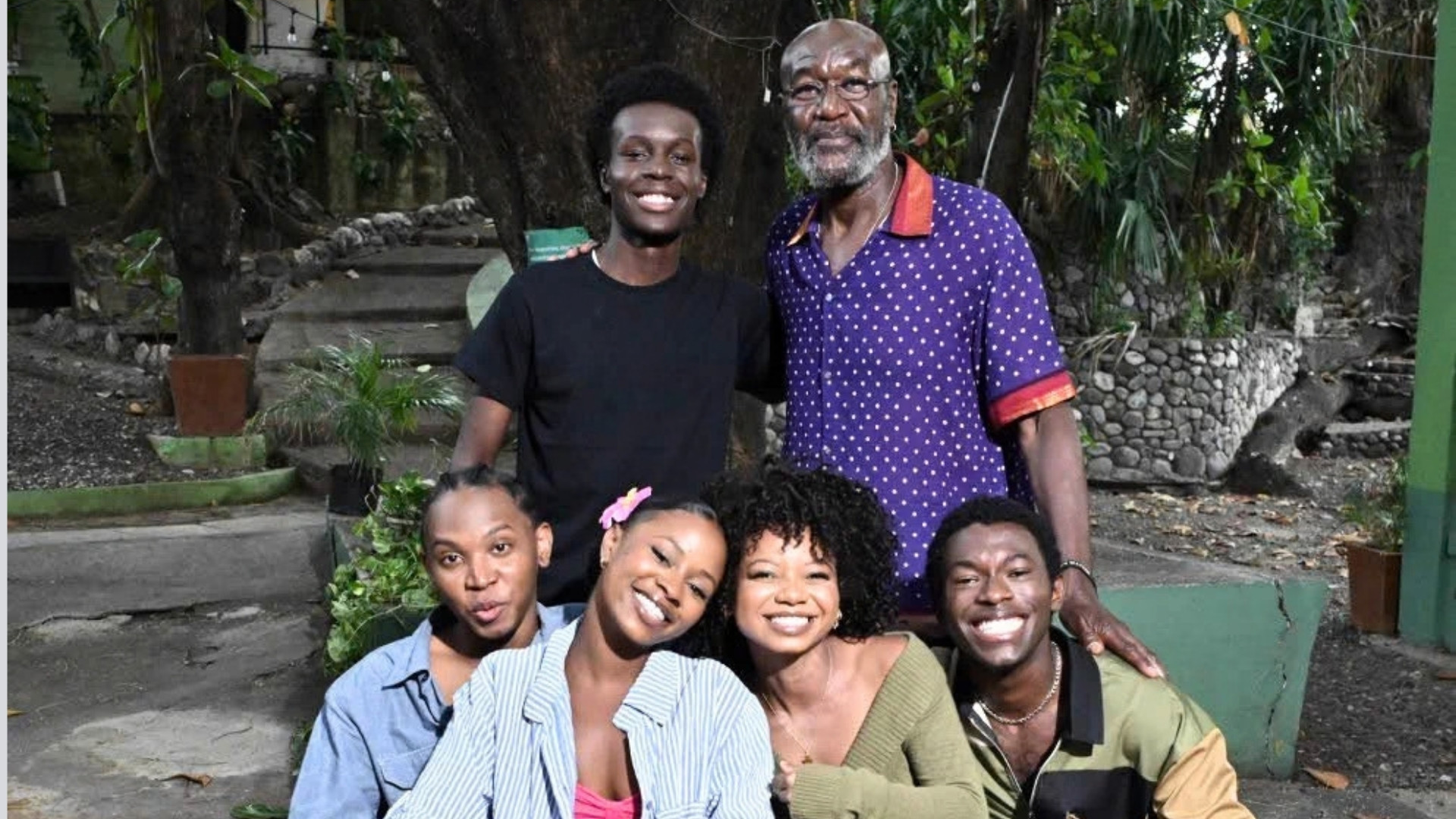
Written by Daoud Abeid and Dahkil Hausif, the film follows its protagonist, Jabari, played by 17-year-old British actor of Jamaican descent Seyi Andes-Pelumi. Jabari is a Brooklyn teenager struggling with the sudden death of his mother and increasingly at odds with the adults around him. He is sent to Jamaica’s Blue Mountains to live with grandparents he barely knows, played by Lindo and acclaimed British actress Marianne Jean-Baptiste. What Jabari initially experiences as exile eventually sets something much larger in motion.
It is in that transition from exile to something more that Jabari’s People begins to reveal the layers and nuances behind a familiar diaspora story.
When Exile Becomes Healing
For the teenager, however, being sent to Jamaica comes at an already difficult moment in his life. He is dealing with the sudden loss of his mother, a traumatic event that has also left his father, played by Black Panther star Winston Duke, overwhelmed. Then comes another upheaval. He is removed from the familiarity of his life in Brooklyn and sent to Jamaica to live with estranged grandparents he barely knows. It is little wonder that he experiences the move as a form of exile.
That alone would be enough material for a compelling story. But the film does not appear content to rely on a familiar cultural trope. Beneath the practice is ultimately the hope that connection, to family, culture, community and place, will awaken something in the young person. That process of self-discovery can be emotional, cultural and even metaphysical, reshaping not only how they see their circumstances, but how they understand themselves. That change, whatever form it takes, is ultimately the point.
What the film appears to do is broaden that possibility for change beyond its protagonist. Rather than Jamaica functioning as some form of cultural shock therapy meant to “correct” him, his arrival sets three generations of the family on a collision course, forcing each of them to confront their own individual grief as well as the collective grief and unresolved wounds they carry as a family.
In that sense, the healing extends beyond Jabari. As Lindo explains, “Everybody in this story is healed on many levels.”
And it is not only the change in environment or his grandparents that matters. The story also taps into the traditional role of community in Jamaican family life, where the raising and nurturing of children has rarely been understood as the responsibility of parents alone.
“The young people that he meets, the Jamaican youth that he meets here who interact with him, embrace him, are very, very much a part of that healing process for him as much as any of the adults,” Lindo explains.
Jabari may have been the one sent away, but Jamaica gradually surrounds him with something larger than the family he came to meet, a community that helps him find himself.
A Spiritual Connection to the Land
There is another element of the story that adds a deeper layer to his journey. Through its treatment of the Blue Mountains, the film offers audiences a glimpse into the deeply emotional connection many Jamaicans feel to the physical land itself.
The island’s physical landscape can carry a weight that goes far beyond geography, from its beaches to its rivers and mountains. In the film, the Blue Mountains embody that connection. They are framed as more than simply the setting for the story, taking on an almost sacred, spiritual significance and becoming part of the protagonist’s healing.
“It’s about the spirituality that emanates from the land in the Blue Mountains, how that impacts all of the characters in this story,” Lindo explains.
For someone raised in Brooklyn, the Jamaica of family stories, food, language and traditions is one thing. Physically standing in the place those things come from is another. There is something about walking the land and encountering its people that can make a cultural connection previously experienced from afar suddenly feel tangible.
And therein lies a wonderful about-turn. The place he initially experiences as exile becomes part of the process of finding himself. What begins as being sent away gradually becomes an opportunity to connect with a place that was part of his family story long before it became part of his own.
For members of the diaspora, perhaps that is part of what returning to an ancestral home can offer. It does not replace the place where you were born or raised. Instead, it can add another dimension to your understanding of yourself, allowing lived home and ancestral home to become different but connected parts of the same identity.
For Delroy Lindo, Jamaica Is Personal Too
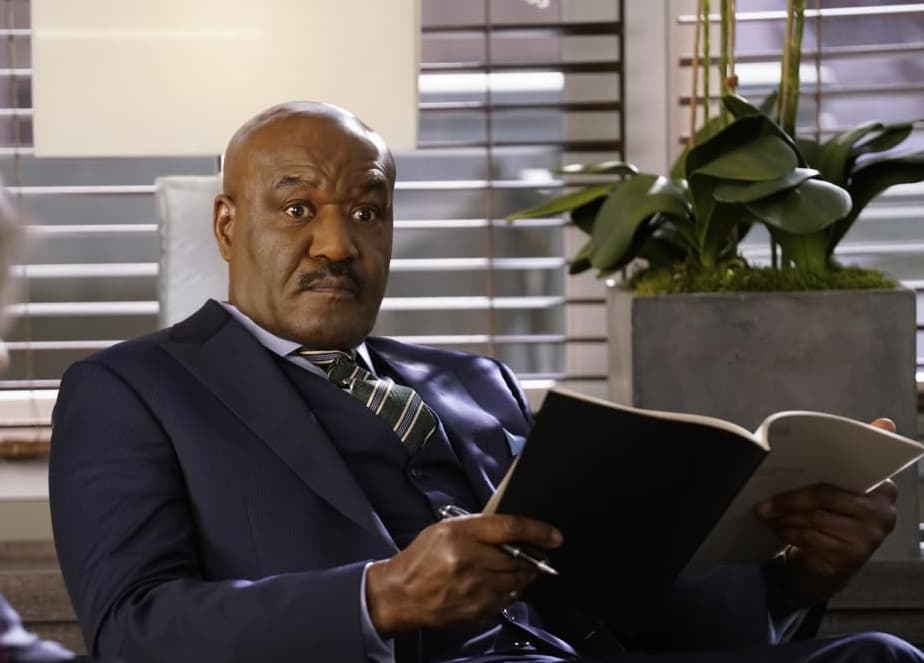
There is a fitting symmetry in Lindo directing a story about a young member of the diaspora discovering what Jamaica means to him while undertaking his own act of cultural connection through the film.
Born in Britain to Jamaican parents, Lindo has described a complicated but profound relationship with Jamaica, rooted particularly in his mother and the country of her birth. The feeling he describes when returning to the island echoes some of the very ideas the story explores.
“There is something that happens when I touch down here. Something happens before the tyre touches down when I’m sitting on the plane and we’re flying into Jamaica and I look out and I see the water, I see the contours of the land,” he said.
“To the extent that it is the land that my mother was born in, [it] impacts me profoundly.”
That connection has made the film more than a directorial milestone for Lindo. He has described making it as an opportunity to pay homage to his mother, Jamaica and Jamaican people. Co-writer Dahkil Hausif has similarly described the story he and Daoud Abeid wrote some 16 years ago as a “love letter” to the people and culture of Jamaica.
For Lindo, that personal connection also seems to fuel a desire to add something of his own to the wider conversation about Jamaica, not only what the island represents to Jamaicans at home, but the place it continues to occupy in the lives and identities of those in the diaspora.
“This is potentially an opportunity for me to substantively contribute to Jamaica, to make a creative gesture that I feel enhances and contributes to Jamaican culture, and also to export Jamaican culture globally,” he said.
But that contribution is not only about demonstrating how deep and rich Jamaican storytelling can be. Lindo has been equally vocal about showcasing the immense talent already within Jamaica’s film industry and creating opportunities for the people working across it, from actors and crew to hair and make-up professionals and other local vendors.
“Do not sleep on the talent that is here,” he said. “The talent is here. Some of that talent is raw, no question. But what it needs is the nurturing, the support.”
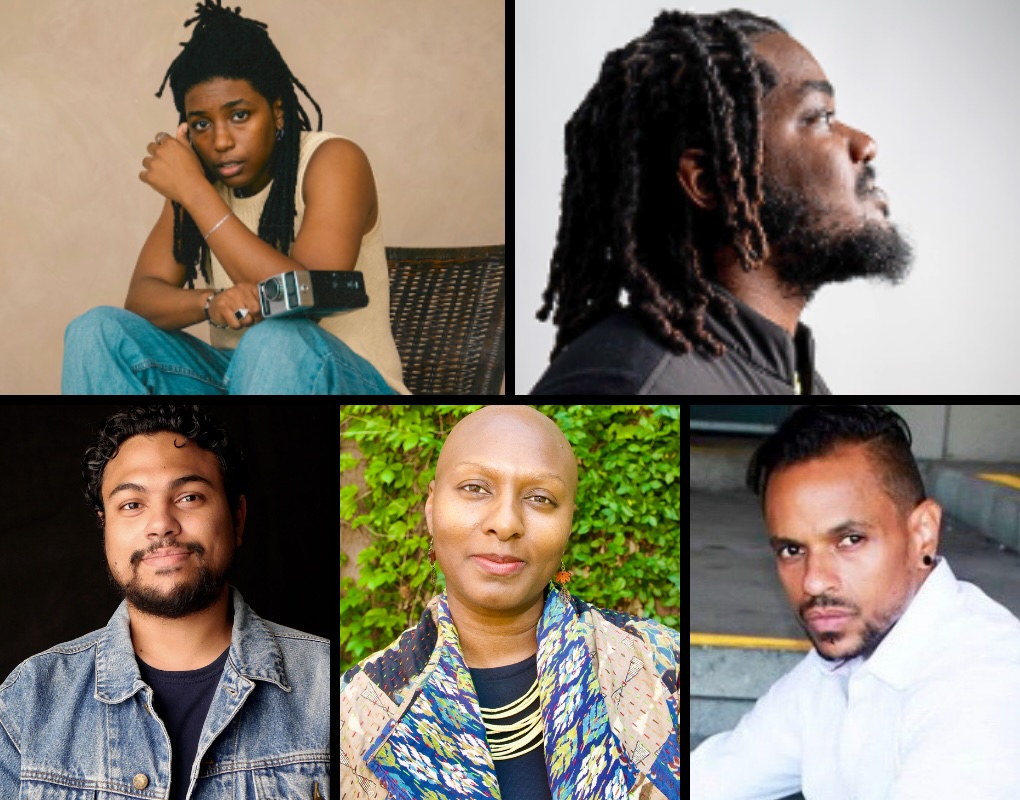
There is already plenty of evidence of that talent. Five filmmakers of Jamaican descent are among the nominees at the 2026 Conch Shell International Film Festival in New York, while at home Jamaican filmmakers are increasingly experimenting across genres, from crime noir and duppy stories to romance, comedy and family dramas.
It is a creative expansion Jamaicans.com has been documenting closely, particularly the growing space for Jamaicans to tell more varied stories about ourselves.
A Bigger Moment for Jamaican Stories
What makes Jabari’s People particularly exciting to us is that it feels like part of a larger shift we are seeing in Jamaican film and storytelling. More Jamaican stories are making their way to screens, across more genres and from perspectives that reflect the breadth of who we are, both at home and across the diaspora.
With Lindo’s star power, the international attention surrounding his directorial debut and a cast of acclaimed actors that also includes The Wire and Treme star Wendell Pierce, the film has the potential to bring even greater visibility to that movement. That matters not only for this production, but for the Jamaican writers, actors, directors and other creatives working to demonstrate just how much talent exists here and how widely our stories can resonate.
The more audiences respond to Jamaican stories, the stronger the argument becomes for those making decisions in larger film industries in the United States, United Kingdom and elsewhere to invest in them. Not simply stories that use Jamaica as a setting or return to the same familiar narratives, but stories that explore the full range of Jamaican life, history, culture and experience.
That is ultimately why we are so eager to see Jabari’s People. We want to see what Lindo and this cast and crew have created, but we are just as excited about what its success could help make possible.
We are hungry for more Jamaican stories, from more perspectives, and especially for more opportunities to hear them in our own voices.