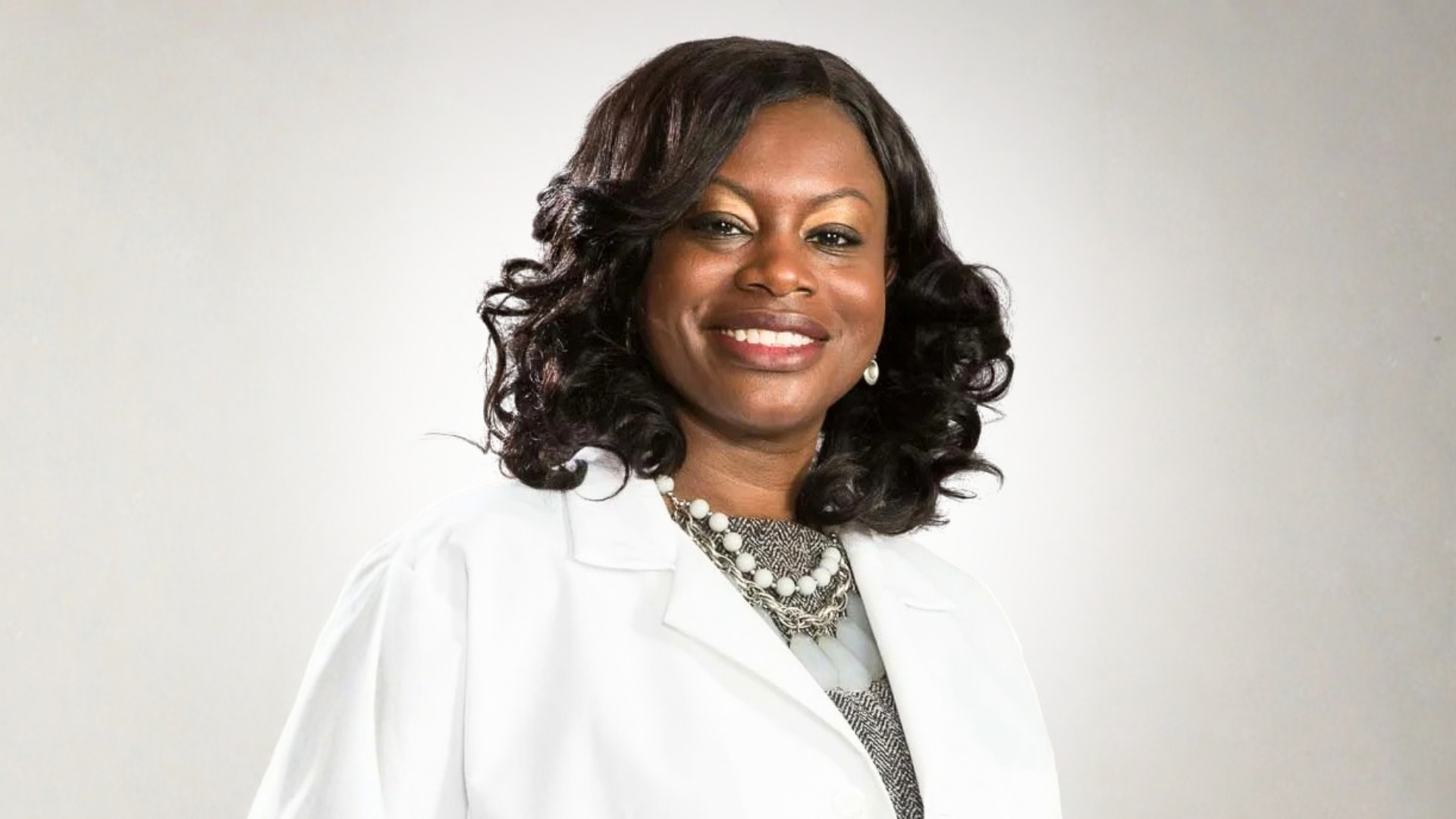
To say Dr. Camelia Lawrence has had a distinguished career would be an understatement. The decorated, board-certified breast surgeon has achieved milestones many might only imagine, particularly for a girl whose story began in Somerton, a rural agricultural community in St. James, Jamaica.
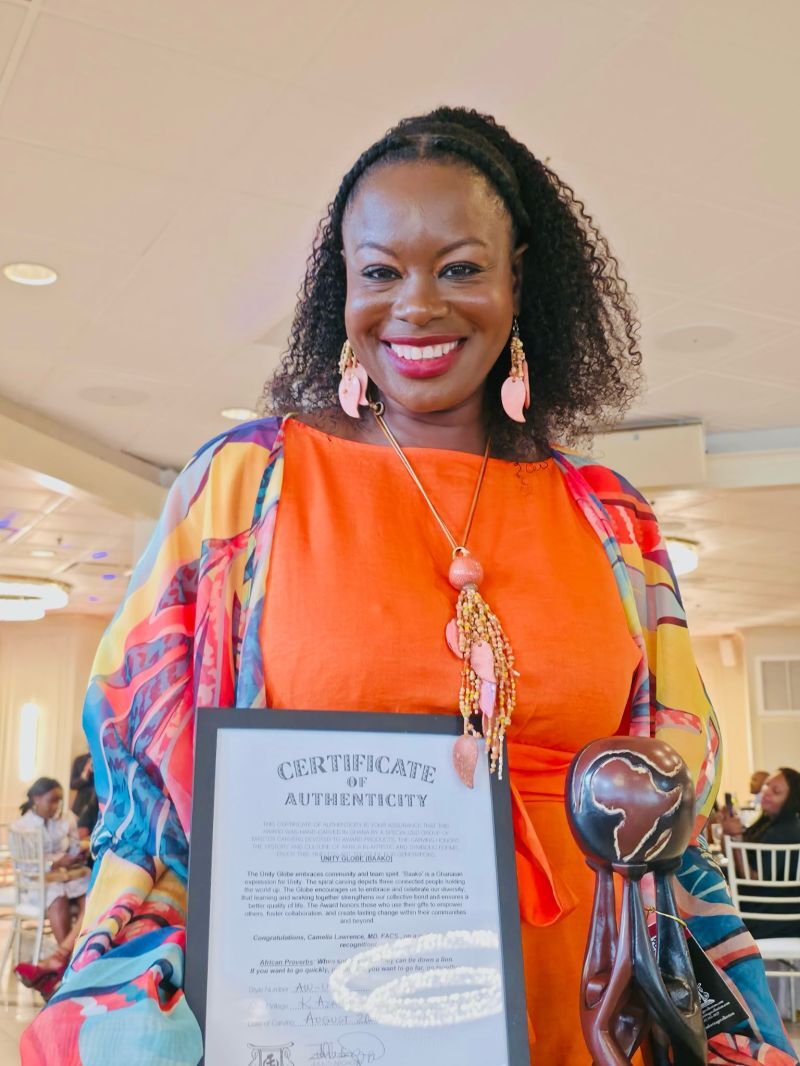
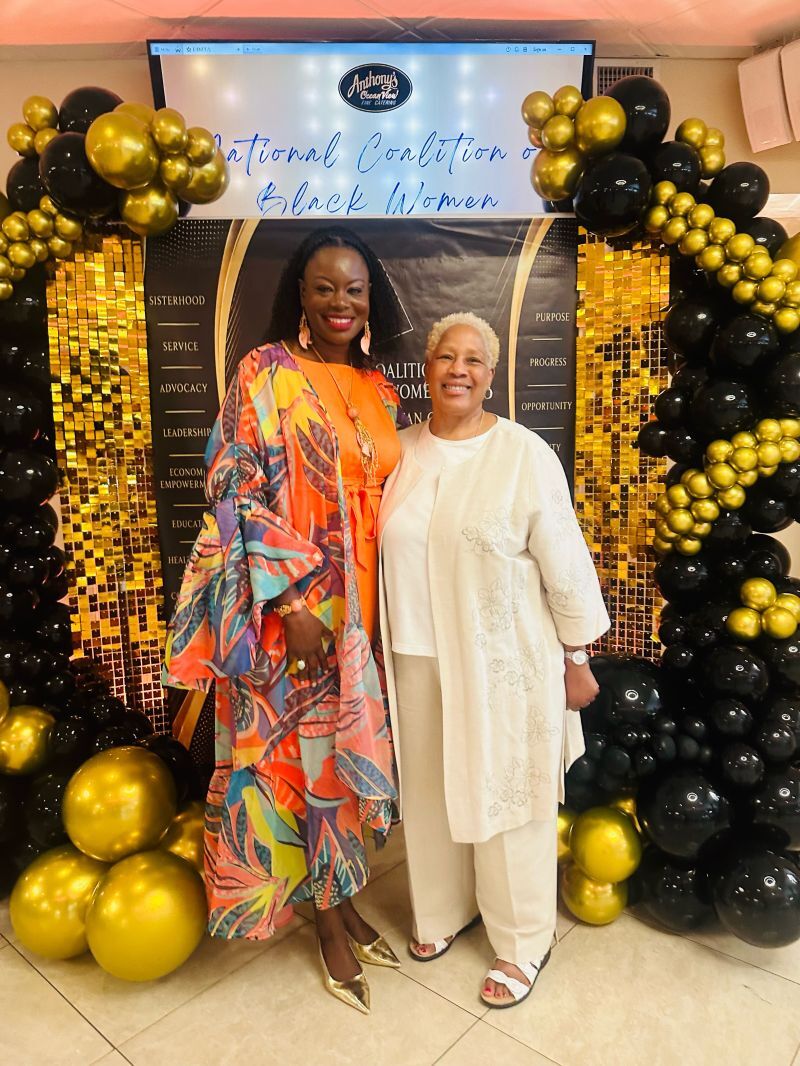
In September, Lawrence added another honour to a growing list of firsts, awards and recognitions when the National Coalition of 100 Black Women, New Haven Metropolitan Chapter presented her with its Trailblazer & Excellence in Leadership and Health Equity Award, recognising her contributions to medicine, leadership and community service.
But as she celebrated the latest recognition, Lawrence reflected on the journey that brought her there and the women who supported her in different ways at critical points along the path.
“We never get here alone,” she wrote in reflecting on the honour. “Grateful for those who poured into me.”
Those women played different roles, from nurturing her earliest ambitions to advocating for her and helping her navigate opportunities she did not yet know were possible. Together, their influence helped build Lawrence into the accomplished woman she is today and shaped how she now approaches her own responsibility to those coming behind her.
The Grandmother Who Spoke Greatness Into Her
The first was her great-grandmother, Jane.
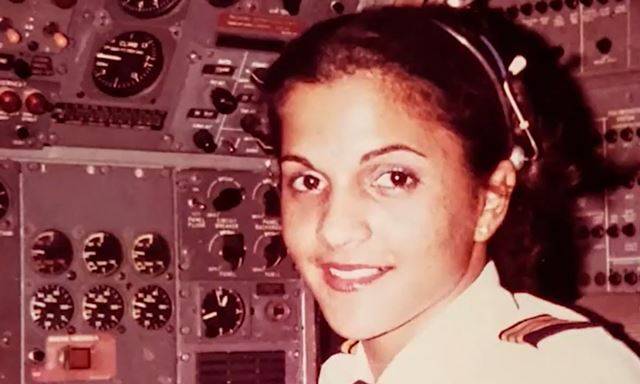
Growing up in St James, Lawrence had already begun thinking about medicine after watching her grandfather struggle with epilepsy and her family struggle to access the medical care he needed. But it was her great-grandmother who first put into words what Lawrence’s future could look like.
“She was the first woman that spoke greatness into me,” Lawrence told Roshane Reed during a recent interview on Jamaicans Thriving Abroad. Her great-grandmother, she recalled, told her that she could become a doctor and that she would become one.
That belief became part of the foundation Lawrence carried with her when her family migrated to the United States when she was 14. Her journey from St James to becoming a leading breast surgeon has been previously chronicled by Jamaicans.com, but along the way, other women would step in at moments when encouragement alone was not enough.
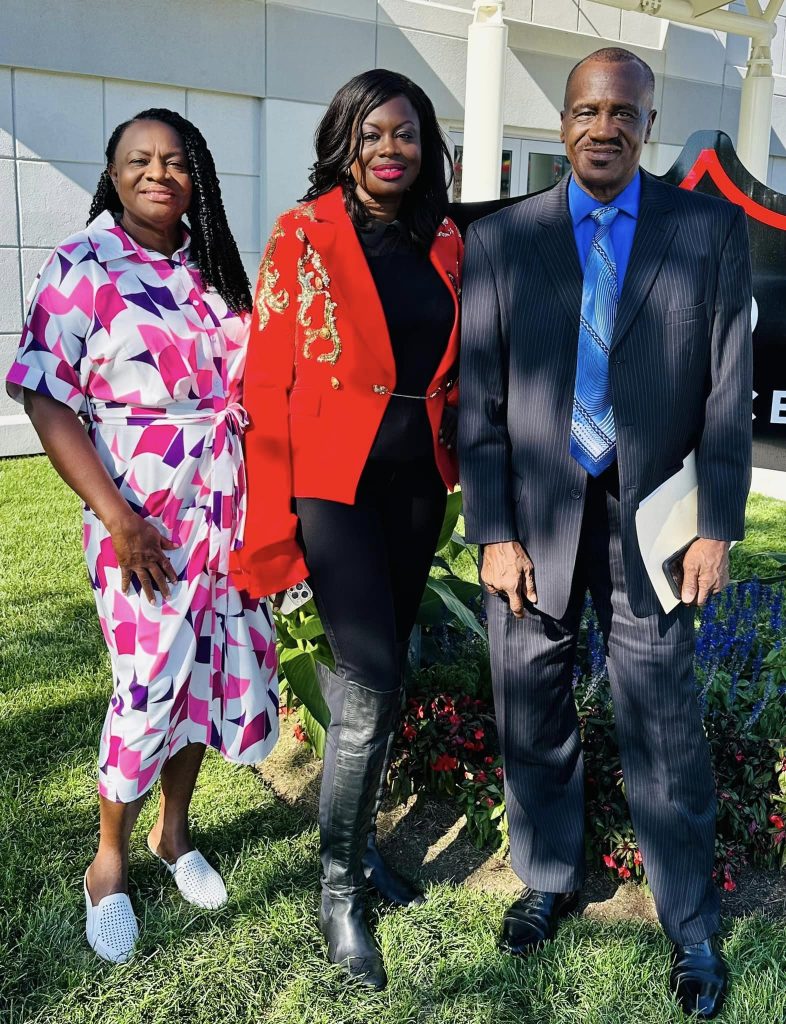
of the P.T. Barnum Festival.
The Sister Who Advocated for Her
A Jamaican Woman Who Advocated for Her
When Lawrence entered the American school system after migrating from Jamaica, she encountered a system whose built-in biases could have seen her relegated to a lower grade than her abilities warranted, based solely on the unfounded assumption that the foundational education she received in Jamaica was somehow inferior.
This is where Sister Poiser stepped in. A Jamaican educator Lawrence already knew through her family’s church community, her willingness to immediately challenge that assumption would again help change the trajectory of Lawrence’s life.
“She said, ‘No, this is not right,’” Lawrence told Roshane Reed, recalling how Poiser encouraged her mother to challenge the decision and accompanied her to meet with school administrators, advocating for Lawrence to be given the opportunity to demonstrate what she knew.
Lawrence subsequently passed the ninth- and tenth-grade examinations and was placed in the eleventh grade.
Without Sister Poiser stepping in, an unfounded judgement about the quality of her Jamaican education could have unnecessarily slowed her academic progress. Instead, Poiser recognised that she was being underestimated and made sure her ability, rather than prejudice, determined where she belonged.
The Mentor Who Showed Her Another Door
Years later, her basketball coach and mentor Dr. Hill would provide another crucial push.
Lawrence had the academic ability to attend university, but as a first-generation college student, she did not always know how to navigate the opportunities available to her or how she would afford them.
“My high school basketball coach, Dr. Hill, she’s the reason I am at Fordham,” Lawrence told Reed.
Dr. Hill helped her understand that she could apply to Fordham University even without knowing how she would afford it, got her the applications and guided her through the process.
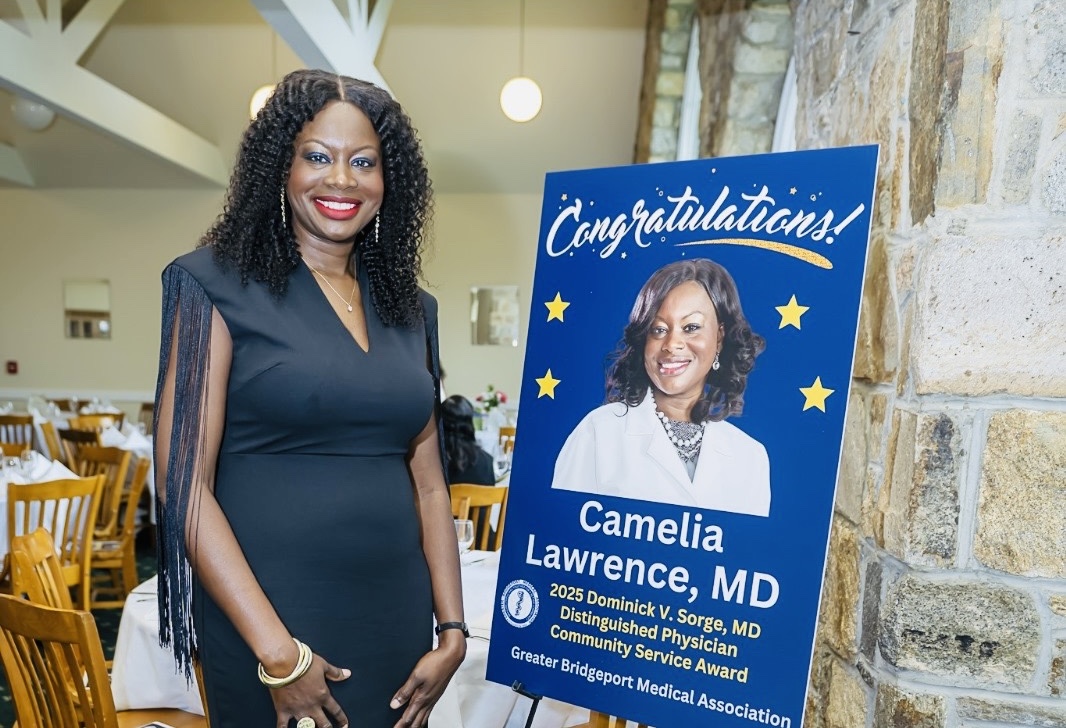
That opportunity became another stepping stone in a journey that would eventually take Lawrence through medical school and surgical training and into leadership in breast healthcare. She would go on to become the first Black woman to lead the Fairfield County Medical Association and build a career recognised for both medical leadership and community service.
Decades after Dr. Hill helped her navigate that critical stage, she was there to watch her former student receive an award recognising her as a trailblazer in leadership and health equity.
Becoming One of Those Women
Taken together, the women in Lawrence’s story offered different things at different moments. Her great-grandmother gave her belief. Sister Poiser advocated for her when she was underestimated. Dr. Hill helped her navigate an opportunity she did not yet know how to access.
Their influence has also shaped how Lawrence now sees her responsibility to others.
During her conversation with Reed, Lawrence spoke about navigating medicine without having someone who looked like her doing exactly what she wanted to do. It was one reason she eventually became more intentional about being visible, mentoring and engaging in community outreach, recognising that another young person might need to see what was possible.
That experience is now reflected in how she defines her own legacy. When Reed asked what she ultimately wanted to be remembered for, Lawrence spoke not of medical titles, leadership positions or awards, but of living a purposeful life and being someone who “not only climbed the ladder for herself, but was always very open to reaching back and helping others.”
It makes her latest recognition particularly fitting. The women who helped build Camelia Lawrence did more than help one young Jamaican girl fulfil her potential. Their example helped shape a woman who now understands that part of getting through the door is holding it open for someone coming behind her.
As Lawrence put it after receiving the award: “Grateful. Grounded. Still climbing. And always reaching back.”