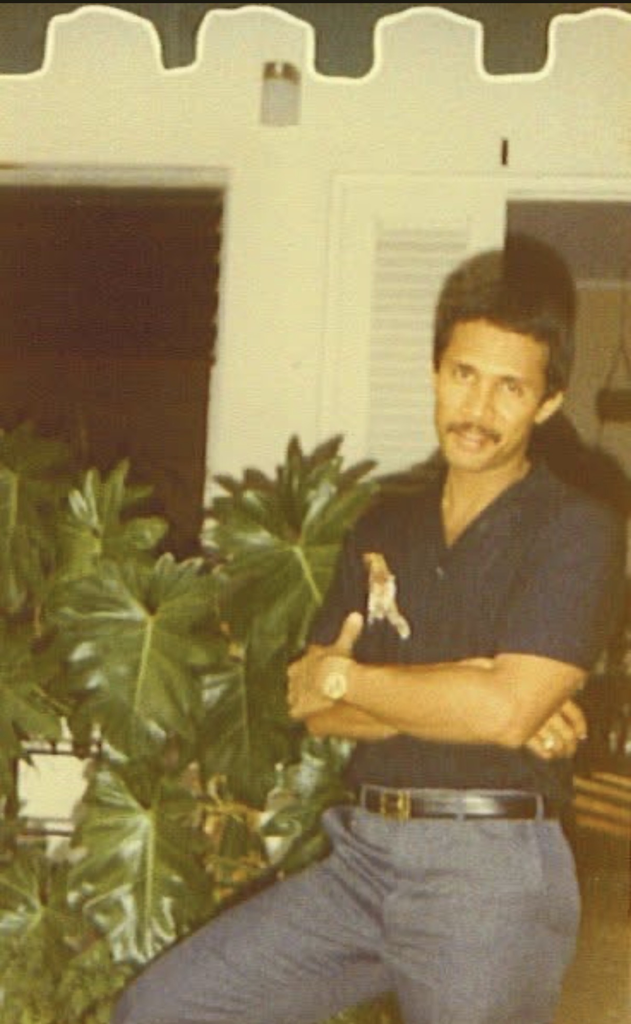
Captain Clive Goodall never planned to become a pilot. Growing up in Jamaica, his sights were set firmly on a career in law. He attended Jamaica College through fifth form before moving to Kingston College for sixth form and planned to take a gap year working at Air Jamaica before heading to university.
Instead, that temporary job changed the course of his life.
Goodall started out in customer service, earning $99.90 a month. Then he discovered that Air Jamaica pilots were earning around $899.
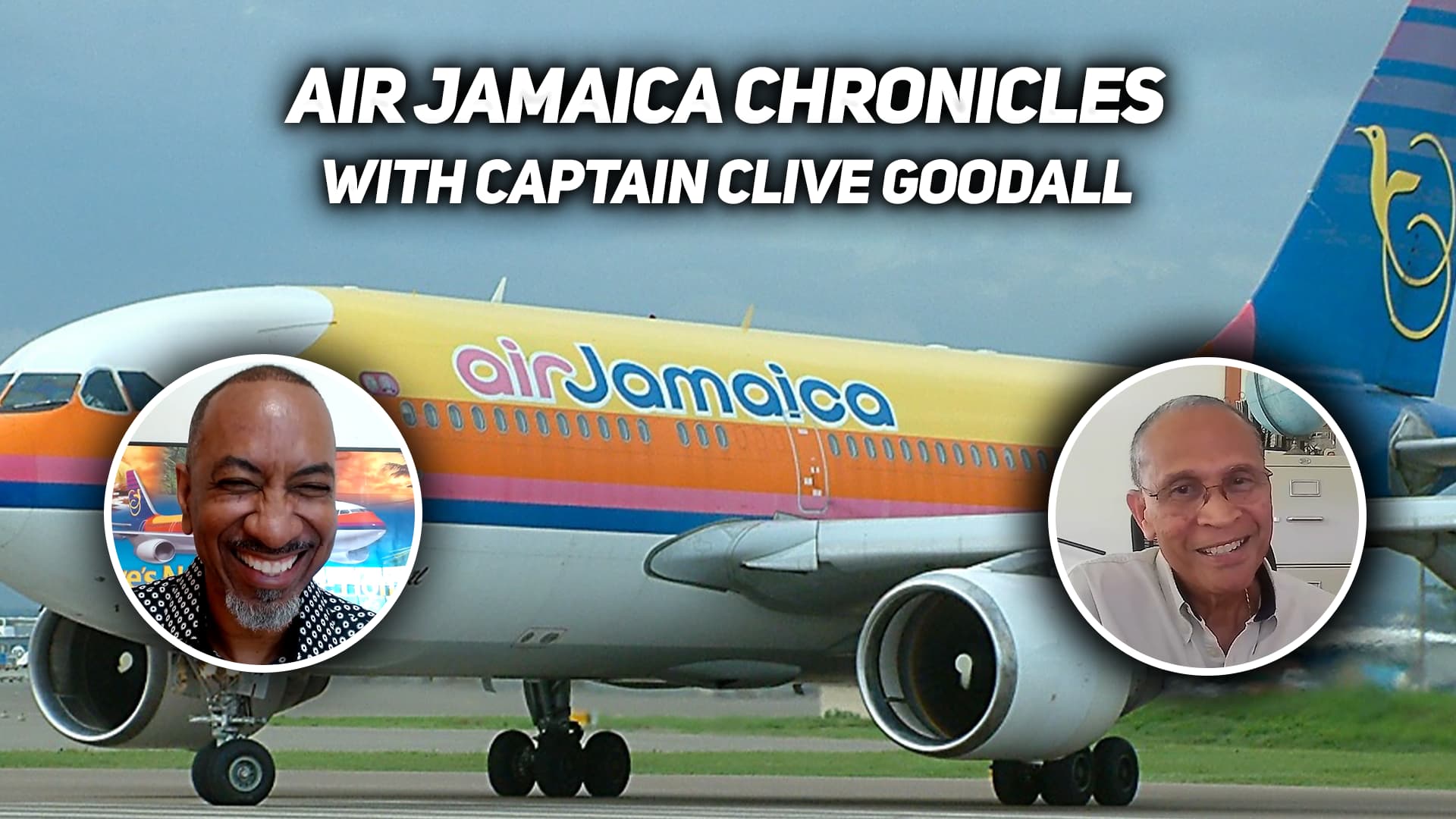
“That was my motivation,” he tells Jamaicans.com founder Xavier Murphy in the latest episode of Air Jamaica Chronicles.
There was another advantage. While becoming a lawyer would require several years of study, Goodall realised he could complete the flight training necessary to pursue a career with Air Jamaica in about a year.
Suddenly, the cockpit looked much more appealing.
From Customer Service to Captain
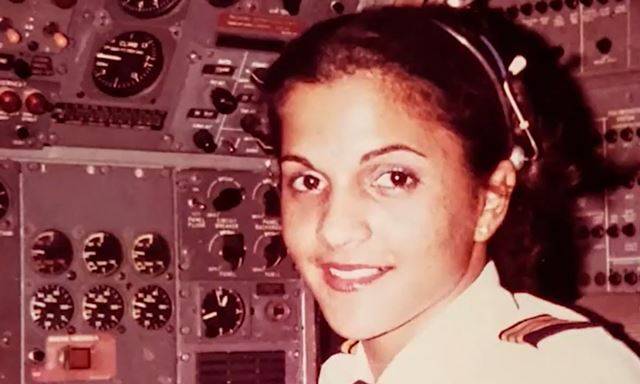
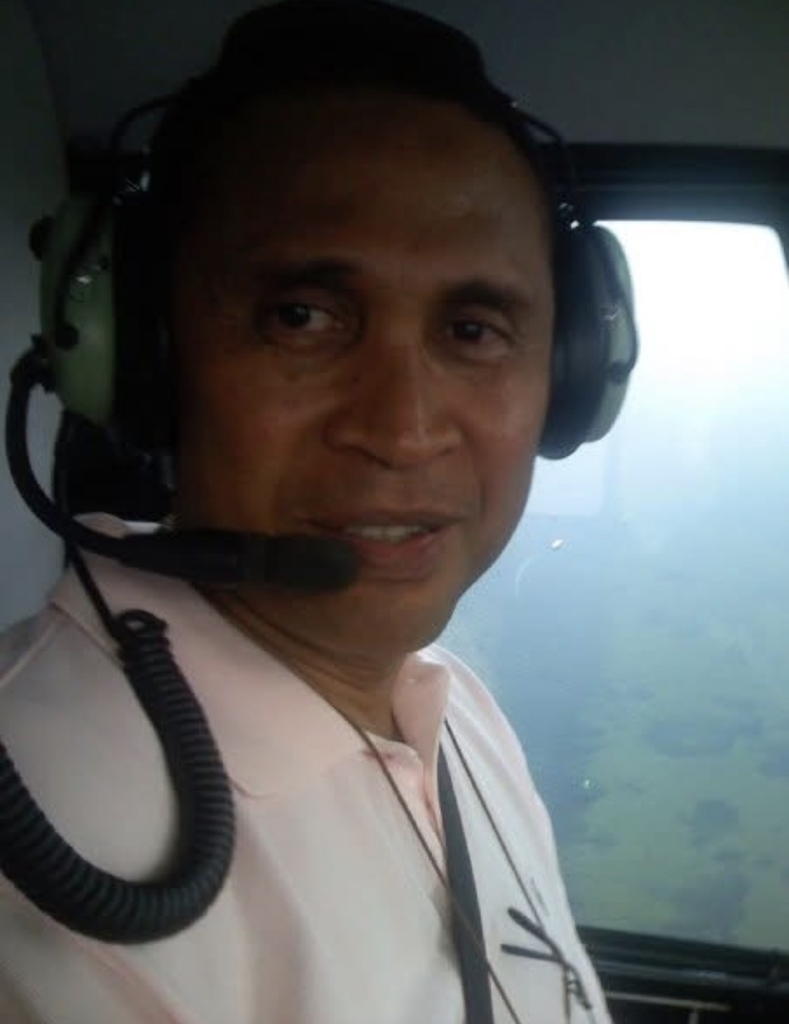
Goodall began his flying career with Air Jamaica as a second officer on the DC-8.
From there, he progressed to first officer on the DC-9 and later the Boeing 727, eventually becoming a captain on the 727. By the time he left Air Jamaica in 1994, he was a captain on the Airbus A300.
What began as a one-year stop before university had become a career spanning more than two decades.
But for Goodall, Air Jamaica was more than a place to work.
In its earlier years, he remembers an airline small enough that employees knew each other across departments and stations. That closeness created relationships that have survived long after the airline itself disappeared.
“It was like a family,” he recalls. Even today, he says, former employees meeting each other can feel like long-lost relatives reconnecting.
“That’s the greatest thing about Air Jamaica.”
Flying Was a Matter of National Pride
That sense of belonging extended into the cockpit.
For Goodall and his fellow pilots, flying the Jamaican flag carrier came with a responsibility to represent the country well.
He recalls Air Jamaica pilots taking particular pride in how smoothly they handled their aircraft, often manually flying for significant portions of a journey rather than relying entirely on autopilot.
“We had developed a smoothness from the handling that was second to none,” he says.
That included the landings for which many passengers still remember Air Jamaica.
For Goodall, it was not simply about technical ability. “It was a source of national pride.”
That reputation extended well beyond Jamaica.
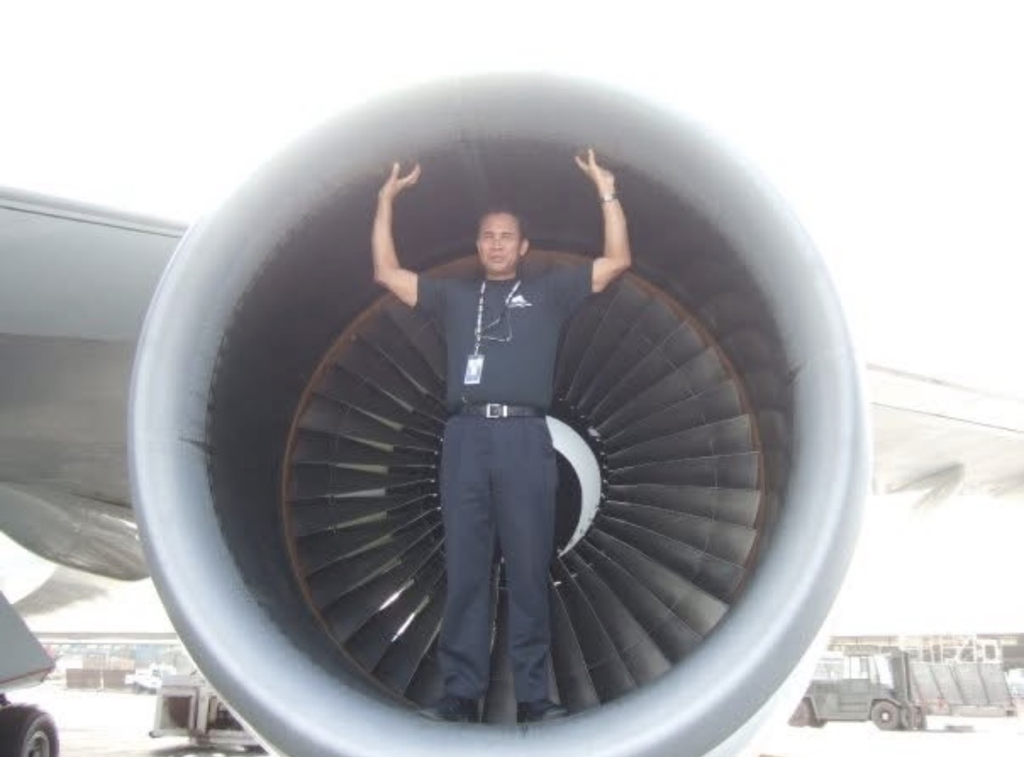
Goodall says Air Jamaica produced pilots who later found opportunities with airlines across the Middle East, Far East and elsewhere around the world. After leaving Air Jamaica himself, his own aviation career would take him to Africa, Europe, the Middle East, China, Australia and other destinations.
“We were well received anywhere we went,” he says.
Why Air Jamaica Struggled to Make Money
Goodall’s memories of Air Jamaica are filled with affection, but he is also pragmatic about why the national airline eventually disappeared.
As a former president of the Air Jamaica Pilots Association, Goodall spent years negotiating pilot contracts with the Jamaican Government and had an unusually close view of the airline’s financial realities.
According to Goodall, Air Jamaica made money in only one year.
For those who believe the airline simply needed to be managed differently, he argues that the problem was more complicated.
A major weakness, he says, was aircraft utilisation.
Airlines incur enormous fixed costs whether an aircraft spends much of the day flying or sitting on the ground. Air Jamaica’s route structure, built largely around transporting visitors to and from Jamaica, meant its aircraft could spend significant periods parked between flights.
“The airplanes sometimes might fly six hours or eight hours for the day,” Goodall explains.
By comparison, he says, aircraft in other operations could remain in the air for considerably longer periods, generating revenue.
“Airlines are built to fly airplanes, not to sit on the ground.”
Goodall also pushes back against some of the explanations commonly offered for Air Jamaica’s financial difficulties, including criticism of staff travel.
“That has nothing to do with it,” he says. In his view, the more fundamental issue was “the intrinsic route structure” and the amount of time aircraft spent on the ground.
He also notes that Air Jamaica was hardly alone. National airlines around the world have struggled with the tension between serving a wider national purpose and operating as profitable commercial businesses.
Could Air Jamaica Make a Comeback?
For Jamaicans who still dream of seeing the Lovebird return to the skies, Goodall says any new Air Jamaica would have to operate very differently.
Simply restoring traditional routes between Jamaica and destinations such as Miami, New York and Toronto would not necessarily create a viable airline.
The aircraft would have to keep moving.
“They’d have to be flying constantly, flying through the night, through the day,” he says.
Goodall points to larger carriers whose aircraft arrive at one destination and quickly depart for another rather than remaining parked for hours.
A revived Jamaican airline would therefore need a broader network capable of keeping its fleet in use while attracting enough passengers to support those routes.
“Perhaps the Jamaican market couldn’t support another airline unless the airline is going other routes as well,” he says.
For Goodall, nostalgia alone cannot overcome the economics of aviation.
“It’s not as simple as most of the uninitiated would think.”
“A Piece of Jamaica That Flew”
Despite the financial realities, Goodall believes Air Jamaica left Jamaica with something that cannot be measured simply by profit and loss.
It trained generations of aviation professionals, built an international reputation for Jamaican pilots and created an experience that was unmistakably Jamaican.
He even remembers some of the airline’s more unusual touches, including fashion shows staged aboard its aircraft.
For young Jamaicans hoping to follow him into aviation today, however, the pathway is more difficult. Without a national airline providing the opportunities Air Jamaica once did, Goodall believes many aspiring Jamaican pilots will have to look overseas for training and employment.
Still, more than three decades after he flew his final Air Jamaica flight, his affection for the airline remains.
Asked what he hopes Jamaicans will remember when they see the famous Lovebird years from now, Goodall returns to what Air Jamaica ultimately represented.
“It was a piece of Jamaica that flew.”