Ask a Jamaican what makes someone Jamaican and you are likely to get plenty of answers.
Maybe it is where you were born. Maybe it is who your parents are. Maybe it is the food, the music, the language, the culture or simply that unmistakable feeling of knowing Jamaica is home.
But for Jamaicans born outside the island, the answer can become far more complicated.
You can grow up in a Jamaican household, surrounded by the food, music, language and traditions of the culture. But if you were not born or raised on the island, or worse yet, simply open your mouth and reveal a foreign accent, the labels can come fast. Perhaps the most cutting is Yankee, shorthand for a judgement that, despite your Jamaican roots, you are not “really” Jamaican. You are recognised as familiar, but not quite kin.
For some Jamaicans born abroad, that rejection can cut deeply. The Jamaican identity that binds them to their childhood, family and sense of self suddenly becomes something they are expected to defend or prove to the very community they consider their own. It can leave them feeling like outsiders, or even frauds, in a culture they have always understood to be theirs.
The pervasive question, “Are you a ‘real’ Jamaican if yuh bawn a farrin?”, and the weight of that scrutiny led Jamaicans.com to explore the topic in our first Jamaicans.com Live discussion last Saturday.
What followed was a conversation that moved beyond passports and birthplaces into something more complicated: who gets to claim Jamaican identity, and who gets to decide?
When Your Jamaicanness Is Questioned
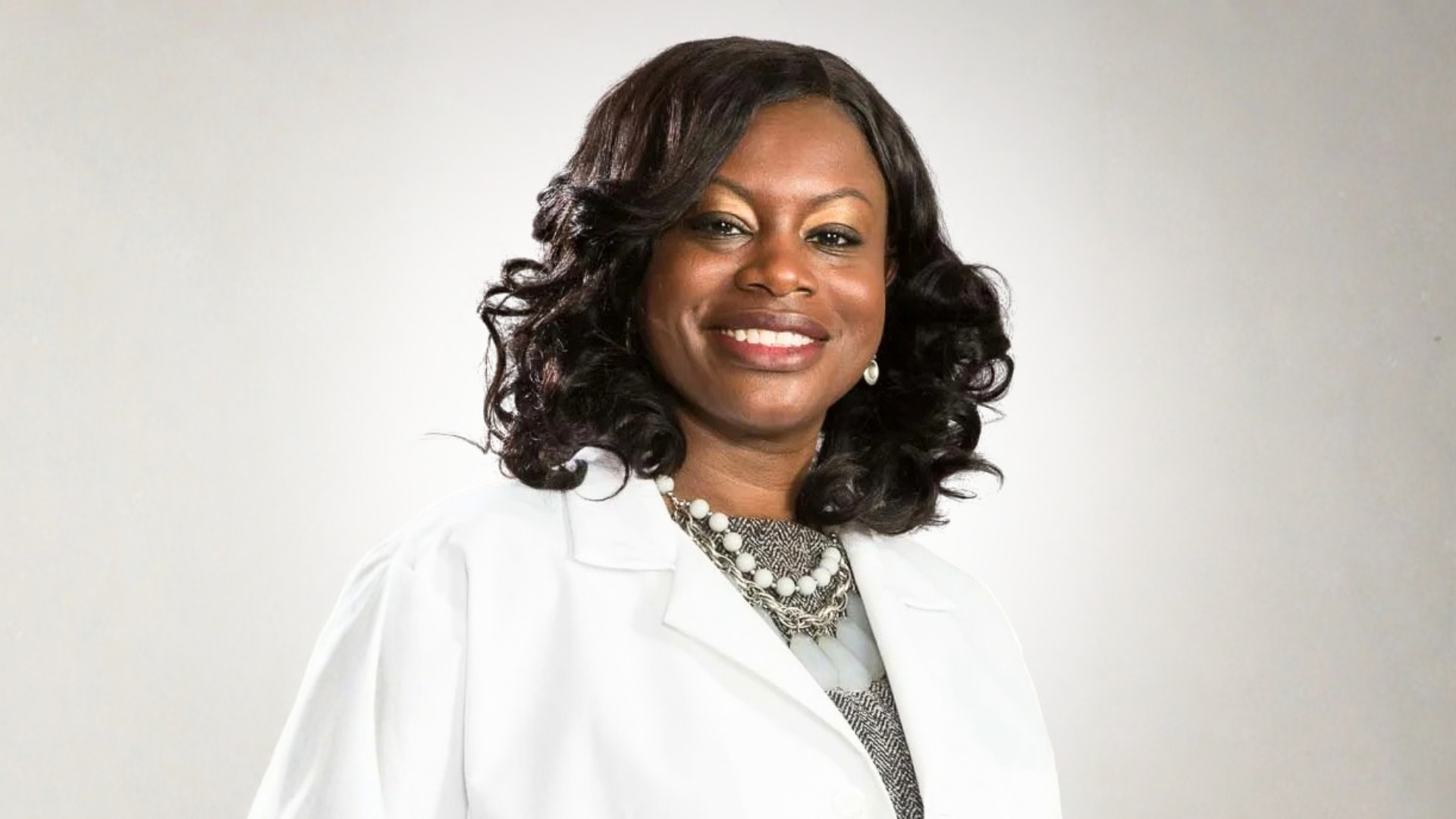
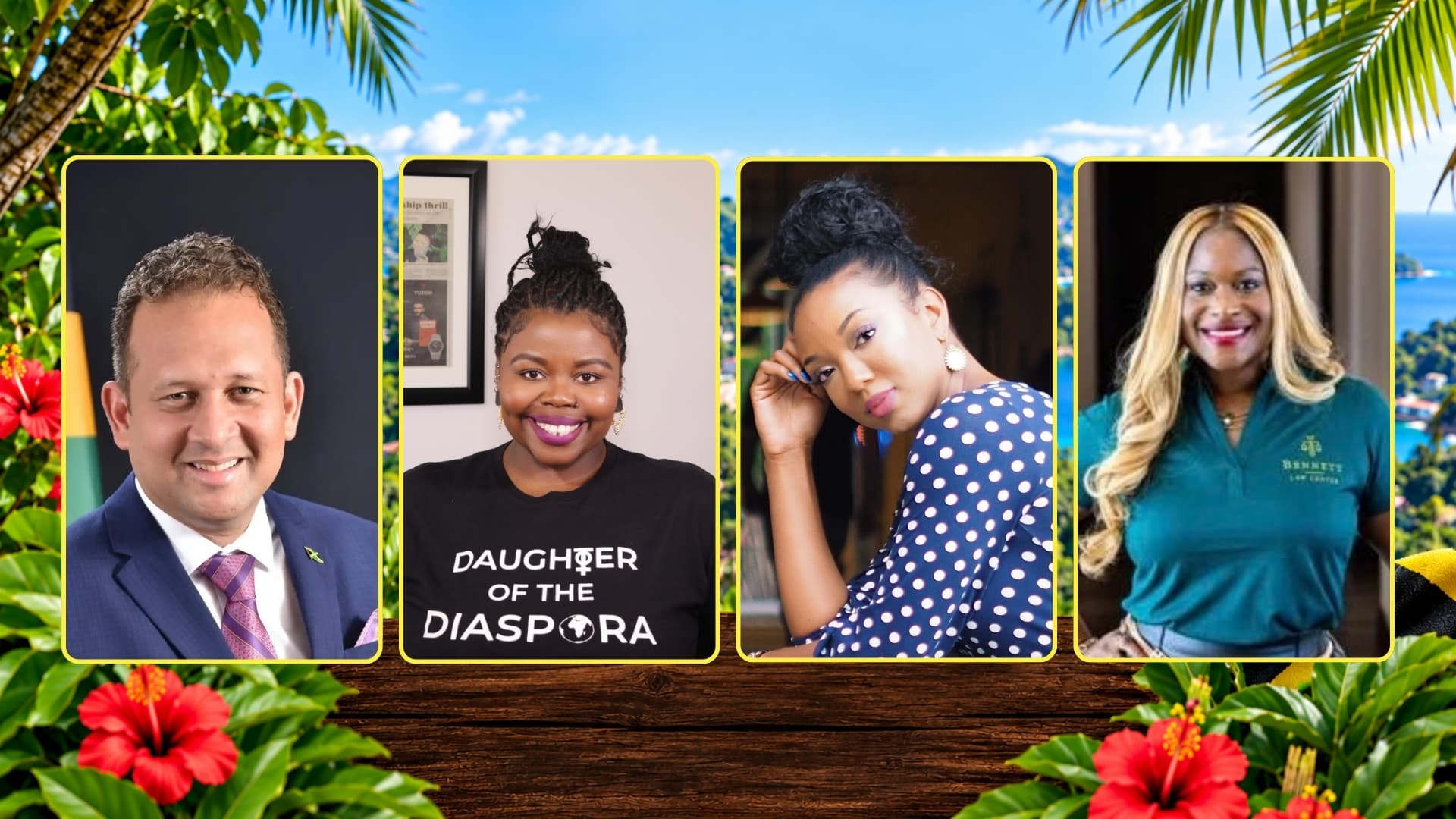
It was a video posted by Nina Elaine Price that first caught our attention and prompted us to invite her onto the show to talk about her experience.
“Why is it so hard for Jamaicans to accept their own people?” she asked in the video.
For Price, who was born in the United States to Jamaican parents, the question came from personal experience. Her family raised her knowing she was Jamaican, but outside that family circle, her identity was not always so readily accepted.
According to Price, the issue is bigger than her own experience. There is an entire generation of Jamaicans born abroad who can find themselves feeling disconnected from their heritage because of that lack of acceptance.
That is part of what has driven her advocacy for first-generation Jamaicans to learn Patois. For Price, language offers a way to strengthen a connection that can sometimes feel weakened by distance, foreign birth and the constant questioning of whether they truly belong.
That constant questioning, she explained during the discussion, can eventually take a toll.
“It feels like you’re living a lie, but it’s not a lie. It’s your truth,” she said, describing how it can lead people to overcompensate or feel they have something to prove.
Her own journey with Patois has been a very public one. She has documented the awkwardness, mistakes and inevitable corrections that come with learning to speak it more confidently as an adult. But learning the language of her family is deeply personal for Price and represents a sincere effort to connect with her culture and close the distance between the Jamaica she inherited and the Jamaica she wants to experience more fully.
Too American for Jamaicans, Too Jamaican for Americans
Ashley Moncrieffe knows the Yankee label well.
She was the only member of her immediate family born in the United States, but there was very little foreign about the household in which she grew up. Saturday mornings meant cleaning to Beres Hammond, Saturday soup was part of the routine, and Sundays came with the familiar Jamaican spread. She remembers going to stage shows as a child, perched on her father’s shoulders.
At home, there was never much question about who she was. Her parents raised their children firmly within Jamaican culture.
Outside that immediate circle, however, being born in America was enough for some relatives and other Jamaicans to see her differently. She was the foreigner, the Yankee, the one who wasn’t “really Jamaican”.
It placed her in an in-between space familiar to many Jamaicans born abroad: too American for some Jamaicans, yet unmistakably Jamaican to the Americans around them.
“You sort of feel like, inadvertently, you have to kind of prove something,” she said.
But Moncrieffe has also come to recognise an important distinction. Her experience as a Jamaican born abroad is not identical to that of someone born, raised and still living in Jamaica. For her, acknowledging that difference does not make either experience less legitimate.
“We are Jamaicans born abroad,” she said. “It’s not exactly the same experience.”
And perhaps that distinction matters. Growing up in Miami is not the same as growing up in Mandeville, just as being raised in London will shape you differently from being raised in Linstead. The experiences are different. The question is whether those differences should determine who gets to claim the proverbial Jamaican card.
Legally Jamaican
Interestingly, while Jamaicans may debate the question endlessly, Jamaican law provides a much less emotional framework for determining who can legally claim citizenship.
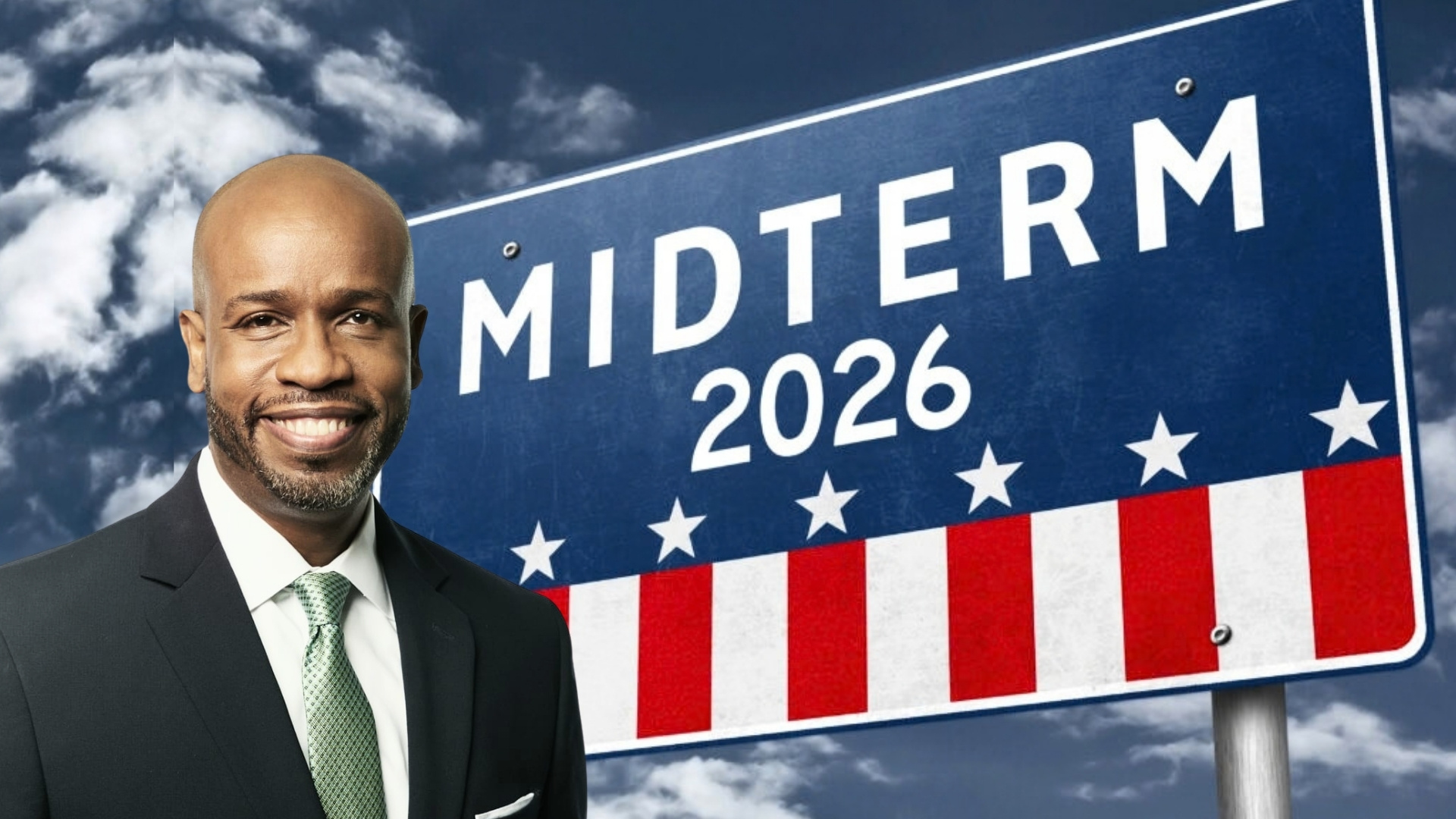
Consul General Oliver Mair said Jamaican consulates and embassies are seeing increased interest from members of the diaspora seeking to formalise their connection to Jamaica, particularly through citizenship by descent.
One reason, he believes, is simply that more people are discovering that the option is available to them.
“More persons are becoming aware that they have this right or this entitlement,” Mair said.
And he stressed that the invitation is not limited to the footballer, athlete or celebrity whose Jamaican ancestry suddenly becomes a national talking point when there is an opportunity for them to represent the country.
“If you have a right, we want you to feel a part of the Jamaican family,” he said.
Immigration attorney Bridgette Bennett knonw online as the Reggae Visa Lawyer brought the legal side of the discussion into even sharper focus.
There are several routes through which someone may become a Jamaican citizen, including birth, descent, marriage and naturalisation, each with its own requirements.
In other words, being born overseas does not by itself settle the question of whether someone can legally be Jamaican.
But Bennett also made an important distinction. Citizenship is a legal status. Identity is another matter entirely.
Putting Jamaicanness Into Practice
What was also striking about the conversation is that each of our guests has found a practical way to help others strengthen their own connection to Jamaica.
Moncrieffe does it through her citizenship grant programme, now in its sixth year, helping eligible Jamaicans born abroad formalise their citizenship. Price created the Patwa Livity community as a judgement-free space for members of the diaspora to practise Patois and reconnect through language.
Bennett uses her work as an immigration attorney to help people understand the legal pathways available to them, while Consul General Oliver Mair is encouraging Jamaicans across the diaspora to explore the options available to them and, importantly, to feel fully Jamaican when they do.
“You don’t have to feel like no half Jamaican or quarter Jamaican,” Mair said, stressing that those who exercise their right to citizenship should see themselves as fully Jamaican.
That sense of welcome is something Mair sees as important to maintaining Jamaica’s relationship with subsequent generations of the diaspora. Since taking up his diplomatic posts in Miami and now New York, he said he has encountered people eager to be recognised as Jamaican, proud of the initiatives they are undertaking and looking for ways to contribute to the country.
In different ways, all four are doing more than debating who gets to be Jamaican. They are creating pathways for people to strengthen, formalise or simply feel more secure in the Jamaican identity they already claim.
So Who Is a “Real” Jamaican?
Perhaps that is why this deceptively simple question becomes so difficult.
Birthplace matters. So does citizenship. But throughout the conversation, it became clear that being Jamaican meant something more personal to each of our guests.
For immigration attorney Bridgette Bennett, who was born in Jamaica but has spent much of her life in the United States, citizenship is the legal status, but being Jamaican is something she lives wherever she goes.
“Jamaican is life,” she said, pointing to the food, music, history, culture and that unmistakable feeling of coming home when she lands in Jamaica.
For Nina Elaine Price, it is an identity so deeply embedded that it should not need to be performed for anyone else.
“It’s in you, not on you,” she said.
And for Ashley Moncrieffe, being Jamaican is the “bedrock” of who she is, rooted in pride, cultural heritage and a lived experience that she acknowledges may look different from that of someone who was born and raised on the island.
“It might be different from a diaspora perspective than a lived Jamaican experience,” she said. “And all that should be respected.”
Perhaps that is where the conversation becomes less about deciding who is the “realest” Jamaican and more about recognising that Jamaicanness has travelled.
It travelled with the generations who left Jamaica for Britain, the United States, Canada and elsewhere. It entered new homes, acquired new accents and was passed down to children who knew Jamaica first through their parents and grandparents.
Some of those children are now deliberately finding their way back, whether through citizenship, language, culture, frequent visits or simply a determination to keep Jamaica present in their lives.
Their Jamaican experience may not be identical to the one lived on the island. As Moncrieffe acknowledged, those differences are real. But perhaps the challenge is making room for those different experiences without treating one as proof that the other is somehow less Jamaican.
As Bennett put it at the end of the discussion, perhaps there is room for “one love, two love”, an acknowledgement that for many Jamaicans in the diaspora, two identities and two lived experiences can exist at the same time.