On November 16th, 1952, Jamaican sprinter and former world-record holder Marilyn Fay Neufville was born in Hectors River, Portland. One of Jamaica’s pioneering female track athletes, Neufville made international headlines in 1970 when, at just 17 years old, she shattered the women’s 400-metre world record while representing Jamaica at the Commonwealth Games in Edinburgh, Scotland.
Her historic achievement was accompanied by controversy over her decision to represent Jamaica rather than Great Britain, where she had grown up and developed her athletic career.
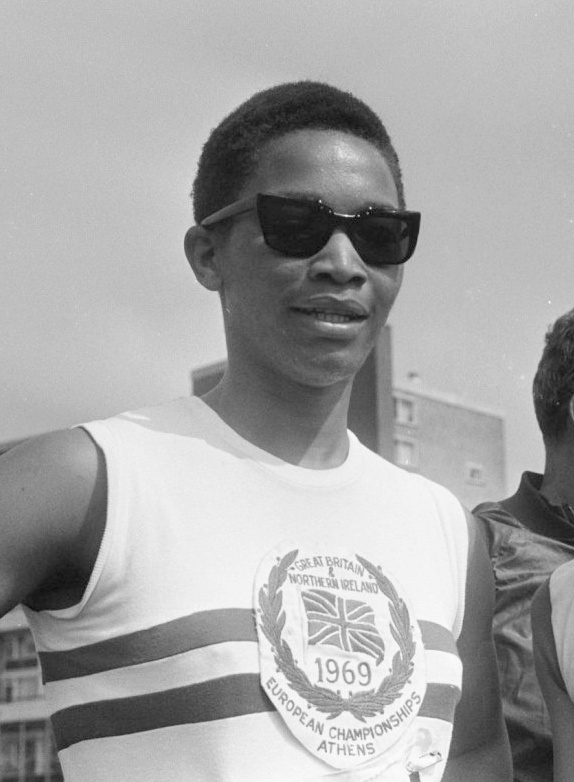
A Jamaican Talent Emerges in Britain
Neufville migrated to Britain with her family at the age of eight and grew up in South London. She developed her talent as a sprinter and quickly emerged as one of Britain’s most promising young athletes.
By 15, she had won several British junior sprint titles, and at 16, she made her international debut representing Great Britain in a relay competition against West Germany.
In 1970, she captured gold in the women’s 400 metres at the European Indoor Athletics Championships in Vienna, Austria. She would go on to establish a world indoor record in the event in 1971, clocking 53.1 seconds.
Despite her success in Britain, Neufville chose to represent Jamaica, the country of her birth, at the 1970 Commonwealth Games in Edinburgh. The decision attracted considerable criticism from British athletics officials, some of whom believed Britain was losing one of its strongest prospects for Olympic gold.
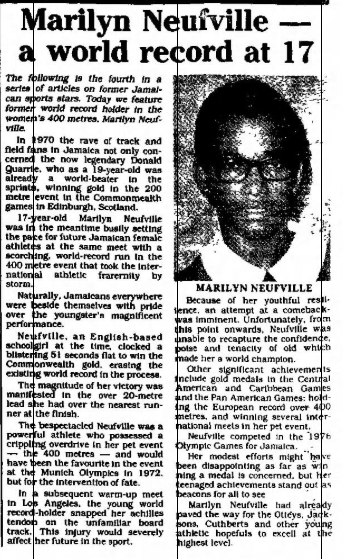
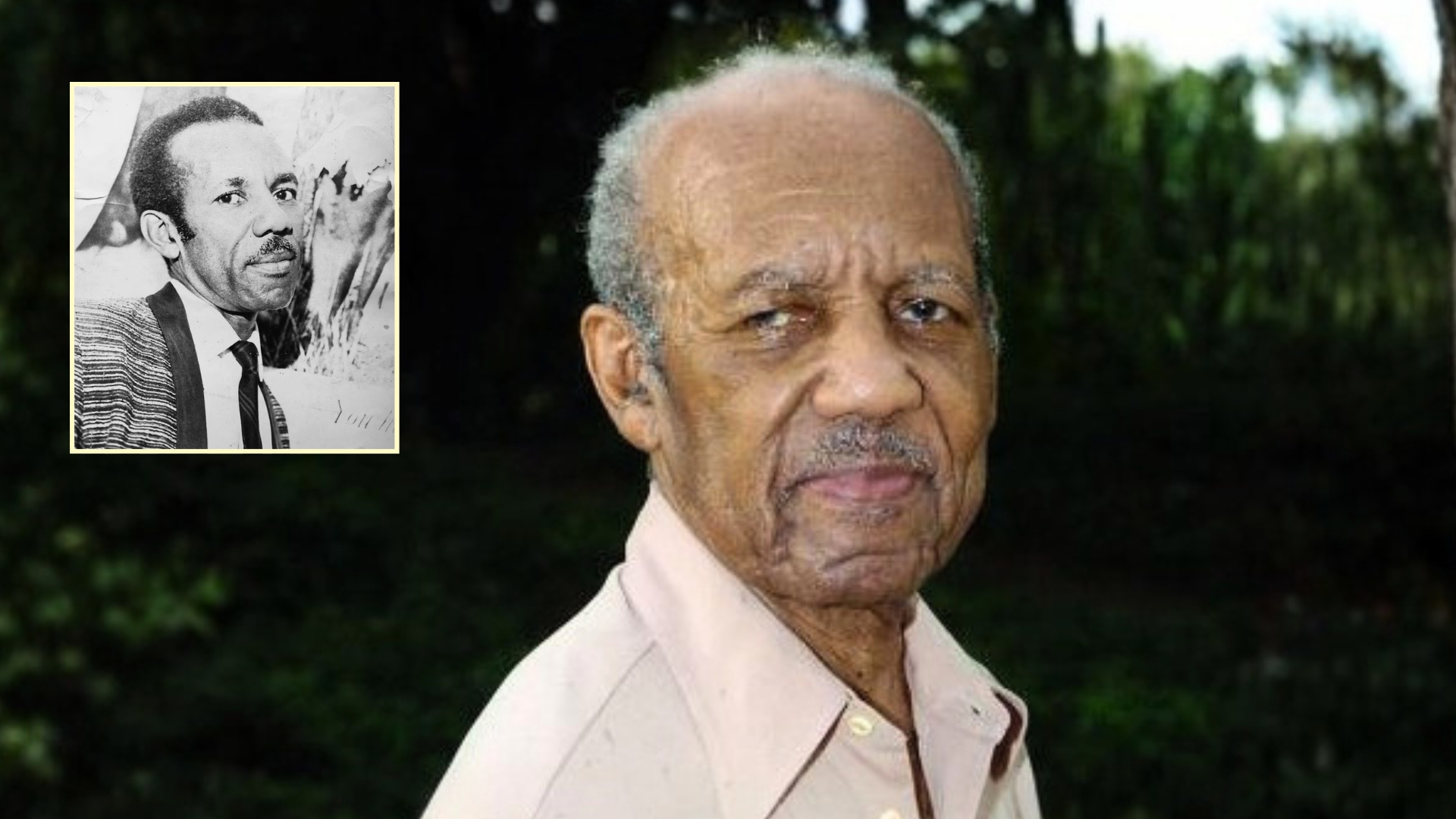
The Gleaner article dated November 10th, 1992. Photo: The Gleaner archives.
A Historic World Record at Just 17
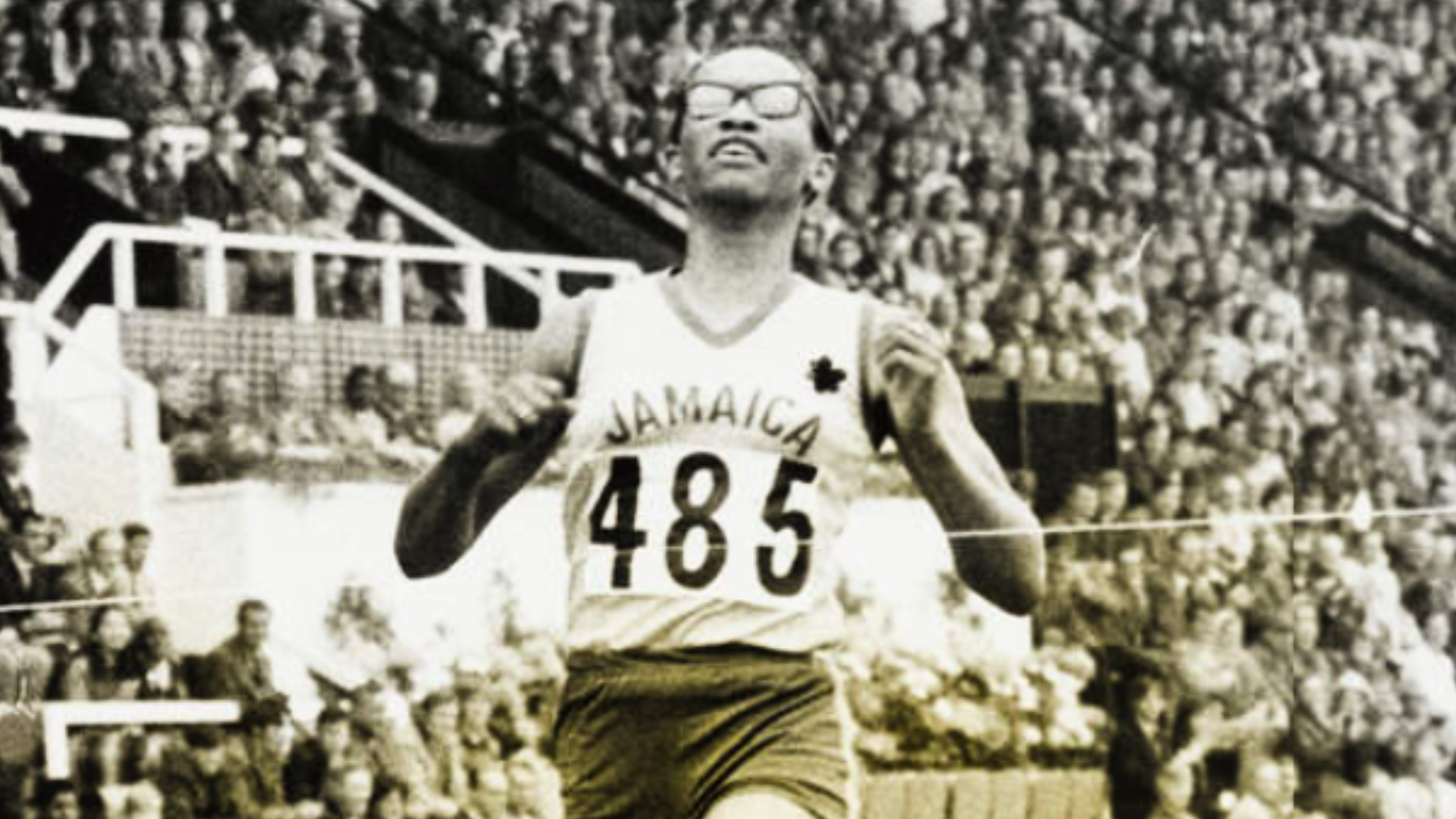
On July 23rd, 1970, Neufville delivered the performance that would define her career.
Competing in the women’s 400 metres at the Commonwealth Games in Edinburgh, she raced to victory in 51.02 seconds, breaking the existing world record and securing the gold medal for Jamaica. She finished more than two seconds ahead of Australia’s Sandra Brown, who took silver.
Her achievement made her the first Jamaican woman to establish an outdoor athletics world record. Her time was officially ratified as 51.0 seconds and remained unbeaten until 1974, although it was equalled in 1972.
Neufville continued her success in 1971, winning the women’s 400 metres at the Pan American Games in Cali, Colombia, and the Central American and Caribbean Championships in Kingston, Jamaica. She also earned bronze as part of Jamaica’s 4×400-metre relay team at the Pan American Games.
Neufville maintained close ties with Jamaica as she continued her international career. In April 1971, The Gleaner reported that she had returned to the island following an appearance at the Southern Games in Trinidad, where she established a new all-comers 400-metre record of 54.7 seconds. She was training daily at the National Stadium in preparation for the Central American and Caribbean Championships, scheduled for Kingston that June.
Her achievements earned her the title of Jamaica’s Sportswoman of the Year in both 1970 and 1971.
A Controversial Decision
Neufville’s decision to compete for Jamaica became a contentious issue in British athletics, particularly as she sought permission to represent the island at the 1972 Munich Olympics.
In an Associated Press television report filmed while she was training at Shooters Hill in Kent, British athletics officials were described as believing that the young world-record holder had been “poached” from the Great Britain team.
Her coach, Norman Hurst, suggested that the controversy had taken a personal toll on the young athlete, including making her more conscious of racial prejudice.
“I don’t think she really felt the colour bar,” Hurst said, adding that the experience had made her more aware of racial differences.
Neufville, however, rejected the suggestion that she owed Britain her continued allegiance because of the training and opportunities she had received.
“It’s not a matter of obligations or loyalty. It’s a matter of your own personal destiny,” she told the reporter.
She argued that athletes had to make decisions in their own interests, pointing out that national sporting organisations did not necessarily demonstrate the same loyalty to athletes when their performances declined.
When asked whether she saw her future as being more closely connected to Jamaica, Neufville replied that her personal interests lay more with the country of her birth.
The controversy also threatened to disrupt her longstanding relationship with Hurst, as plans to relocate to Jamaica meant she would have to find a new coach.
Historic Olympic Appearance
Although Neufville appeared destined for even greater international success, injuries disrupted her career during the 1970s.
In January 1972, while preparing for the Munich Olympics, she suffered an Achilles tendon injury during an indoor race. Later that year, she enrolled at the University of California, Berkeley, two years before the institution established its women’s track and field programme.
She returned to the Commonwealth Games in Christchurch, New Zealand, in 1974, finishing sixth in the 400 metres. In 1975, she placed fourth in the 880-yard event at the Association for Intercollegiate Athletics for Women (AIAW) outdoor national championships.
Neufville finally made her Olympic debut at the 1976 Montreal Games, becoming the first female track and field athlete from the University of California, Berkeley, to compete at the Olympics. She advanced through the opening round of the women’s 400 metres with a time of 52.93 seconds but was forced to withdraw before the quarter-finals because of injury.
Her pioneering contribution to Jamaican athletics was formally recognised in 2013 when she received the Commander of the Order of Distinction. Her achievements and the challenges that shaped her career were later revisited in a July 2021 Sports Illustrated feature.
On the anniversary of her birth, we celebrate Marilyn Neufville, whose extraordinary talent made her a world-record holder at just 17 and whose decision to represent Jamaica, despite considerable public criticism, remains a compelling part of her legacy.
Discover more of Jamaica’s rich history and the remarkable people and events that have shaped our nation at home and abroad through our On This Day features.