Caribbean stories and culture were part of the spotlight at the 2026 American Black Film Festival in Miami Beach as Pan Gyul, a short film written, directed and produced by Juliette Jeffers, was selected for the festival’s Voices of Culture showcase. The film, set on the island of Nevis, brings a Caribbean perspective to one of the largest gatherings focused on Black film and television storytelling.
Pan Gyul screened during the 30th anniversary staging of the American Black Film Festival, an event that has become a major platform for filmmakers, actors and creatives from around the world. For Jeffers, a Kittitian and Nevisian American actress and filmmaker, the selection marked another milestone for a project rooted in Caribbean identity, family and tradition.
A Story Set in Nevis
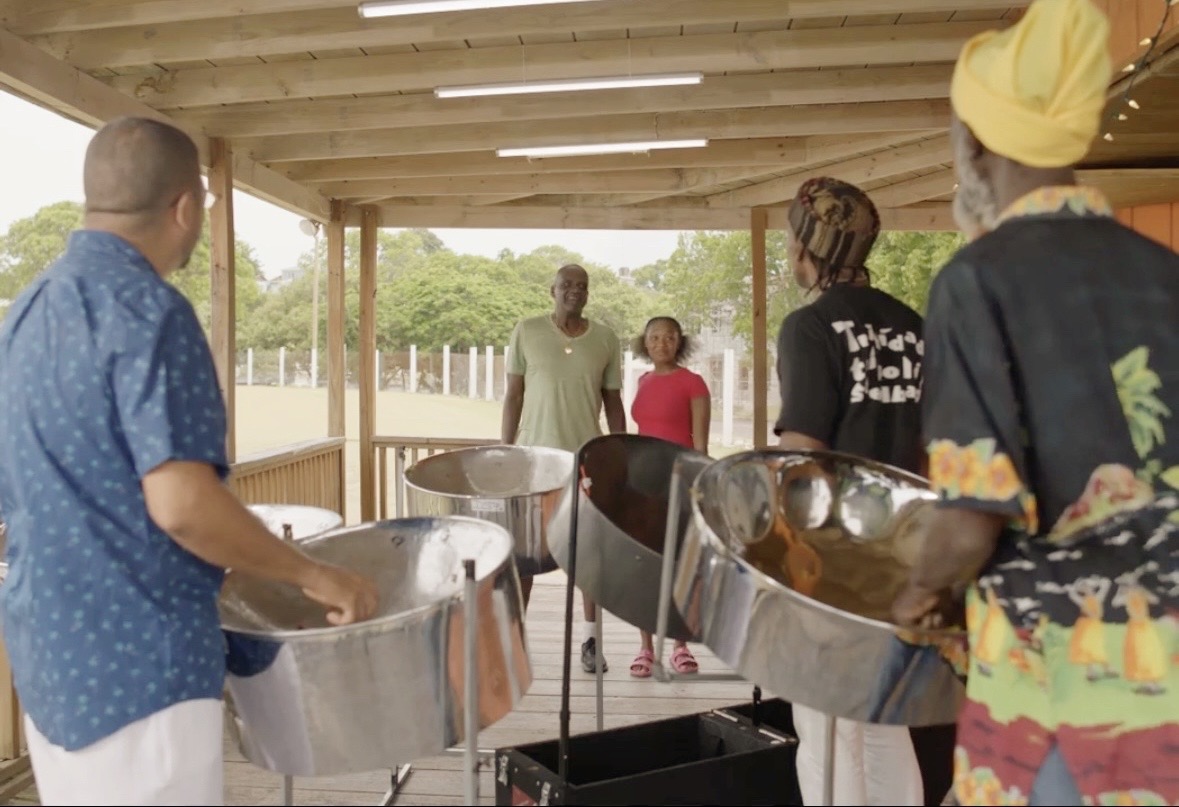
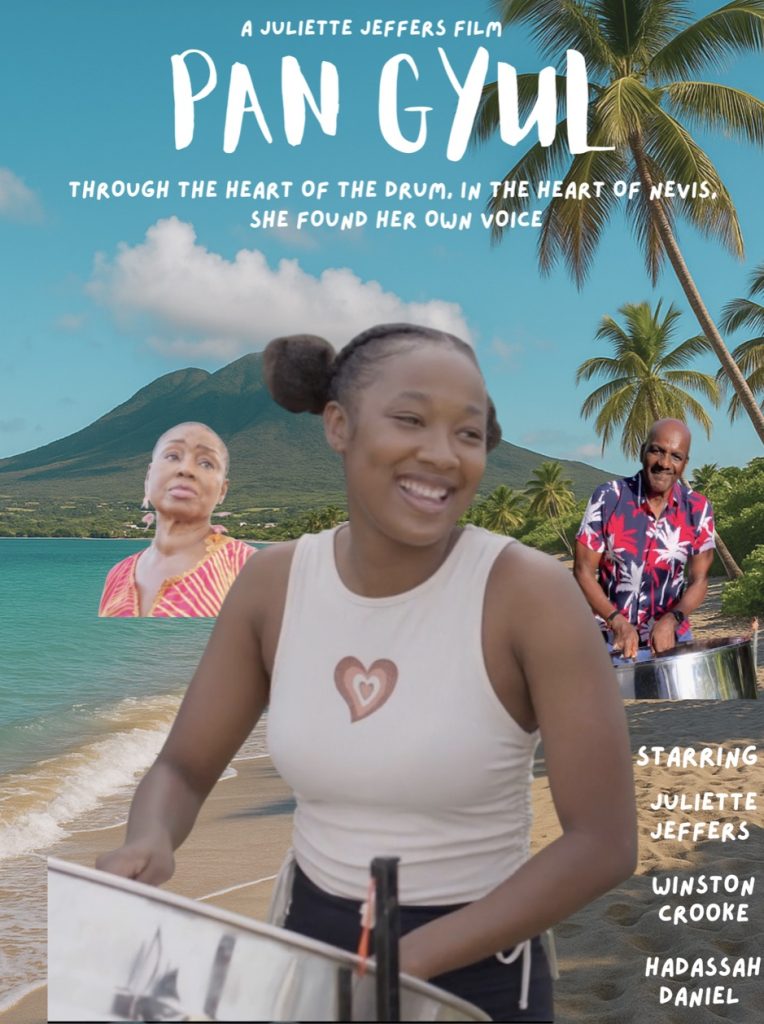
Pan Gyul follows Roshan, a young girl living in Nevis who dreams of learning to play the steel pan. Her desire to master the instrument is tied to her wish to build a stronger connection with her father, a respected steel pan musician.
As Roshan pursues that goal, she faces expectations from family members and challenges tied to cultural traditions. The story explores how she works to find her place within a space where steel pan performance has traditionally been dominated by men.
The film combines themes of family relationships, identity, determination and cultural pride while highlighting the importance of the steel pan in Caribbean life.

A Directorial Debut for Juliette Jeffers
Pan Gyul marks Jeffers’ first film as a director. The project was adapted from her solo theatrical work and expanded into a narrative short film shot in Nevis.
Jeffers has built a career across television, film and theater. Raised in the Bronx by parents from St. Kitts and Nevis, she has worked as an actor, writer, producer and teaching artist. Beyond her screen work, she has directed more than 30 solo theater productions and has remained active in arts education and community storytelling.
Her decision to bring Pan Gyul to the screen created an opportunity to showcase a story grounded in Caribbean culture while introducing audiences to the landscapes and traditions of Nevis.
Recognition on the Festival Circuit
Before its screening at ABFF 2026, Pan Gyul had already gained attention on the international festival circuit.
The film received a nomination for Best Short Narrative at the Pan African Film and Arts Festival. It was also selected for the Diversity in Cannes Short Film Showcase, where it earned six nominations. In addition, the project received recognition from the Las Vegas Black Film Festival.
These selections have helped introduce the film to audiences beyond the Caribbean while drawing attention to stories connected to Nevis and the wider region.
Celebrating Caribbean Culture Through Film
Music plays a central role in Pan Gyul. The steel pan serves as more than a musical instrument within the story. It represents family history, cultural expression and connection across generations.
The film also highlights aspects of everyday life in Nevis, giving audiences a view of the island through the experiences of its characters. By centering a Caribbean story in an international festival setting, Pan Gyul contributes to broader conversations about representation and cultural storytelling.
The cast includes Juliette Jeffers, Winston Crooke and Hadassah Daniel, who portrays the young Roshan. Filming took place in Nevis and involved local talent, helping to further connect the production to the island’s creative community.
Supporting the Growth of Film in Nevis
The project is also linked to efforts aimed at expanding opportunities for filmmaking in Nevis. Jeffers has partnered with the Nevis Film Commission to help raise awareness of the island as a location for film production and storytelling.
As more Caribbean filmmakers seek opportunities on international platforms, projects like Pan Gyul demonstrate how local stories can connect with audiences around the world while remaining rooted in their cultural origins.
Its screening at ABFF 2026 provided another opportunity to place Caribbean voices, traditions and experiences before a global audience and reinforce the role of film as a tool for preserving and sharing cultural heritage.