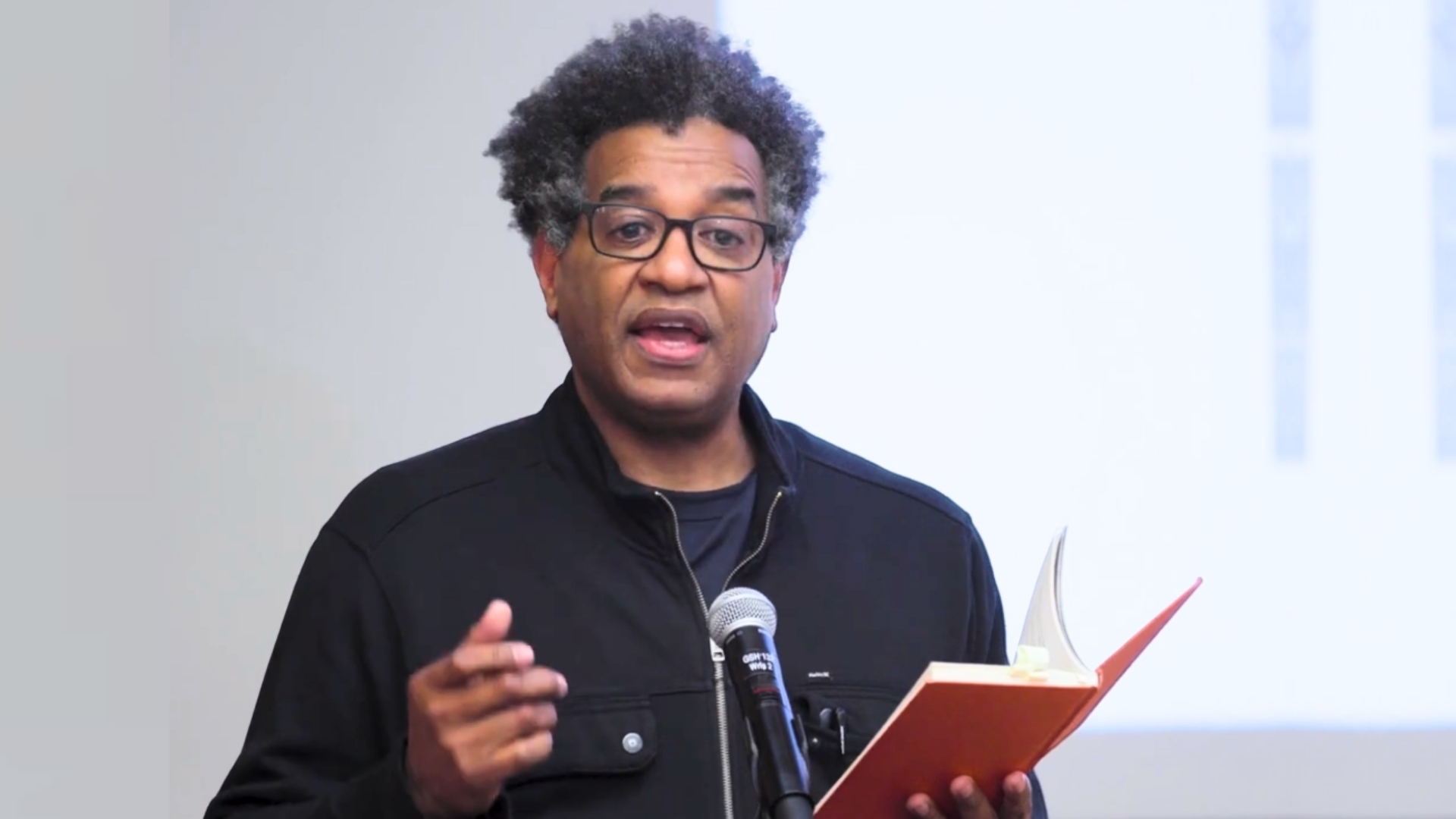
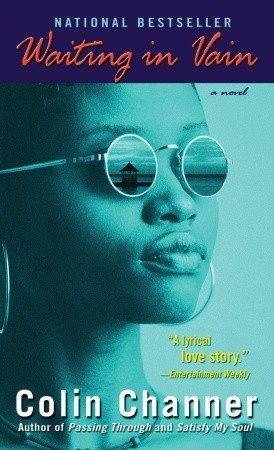
On October 13th, 1963, Jamaican novelist, poet and literary advocate Colin Channer was born in Kingston, Jamaica. Best known for his acclaimed debut novel Waiting in Vain and as a co-founder of the Calabash International Literary Festival, Channer has built an international literary career shaped by the language, music and storytelling traditions of his homeland.
Possible But Long Odds
Growing up in Jamaica during the 1970s, Channer developed an early fascination with reggae music, particularly the lyrics of artists such as Bob Marley. He was drawn to the way reggae combined political commentary, philosophy, humour and poetry, often expressed through Jamaican language.
Storytelling was also a significant part of his upbringing. His mother, a pharmacist, was a gifted storyteller, and Channer recalls listening to her lively conversations with friends on the family veranda in Kingston. His father, a police officer, died when Channer was 12.
Although an avid reader, Channer has admitted that becoming a professional writer seemed an unlikely ambition in a Jamaica where music dominated the cultural landscape. Reflecting on his early aspirations in Brown University’s Art of the Matter interview, he compared the idea of becoming a writer in 1970s Jamaica to becoming an Olympic bobsledder, describing both as “possible but long odds”.
Nevertheless, he pursued writing after migrating to the United States, eventually publishing his debut novel, Waiting in Vain, in 1998. The novel, a love story spanning Jamaica, New York and London, earned critical acclaim and established him as an important new voice in Caribbean literature.
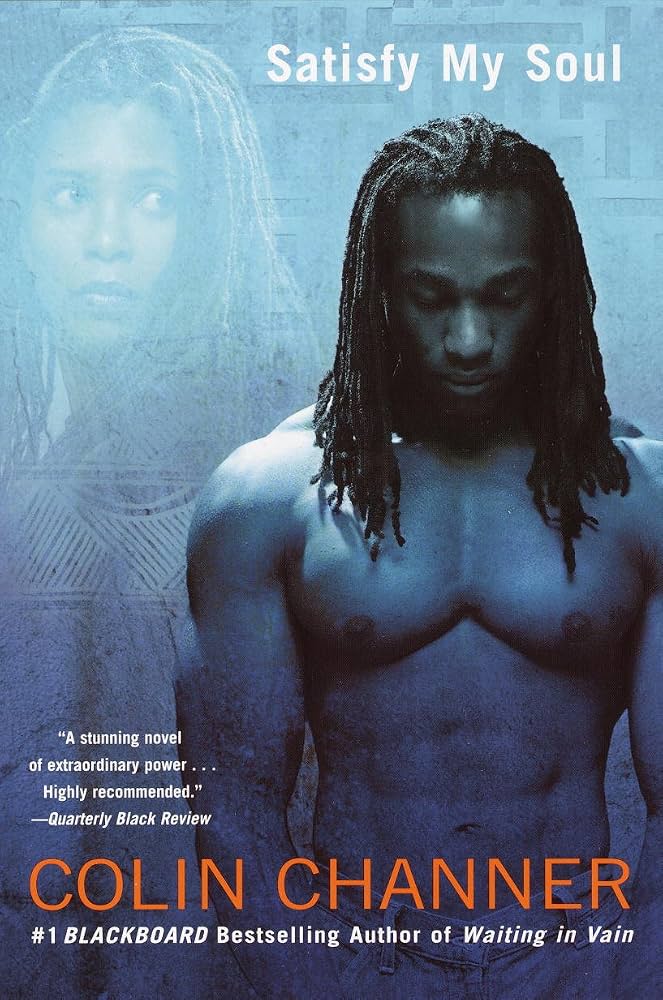
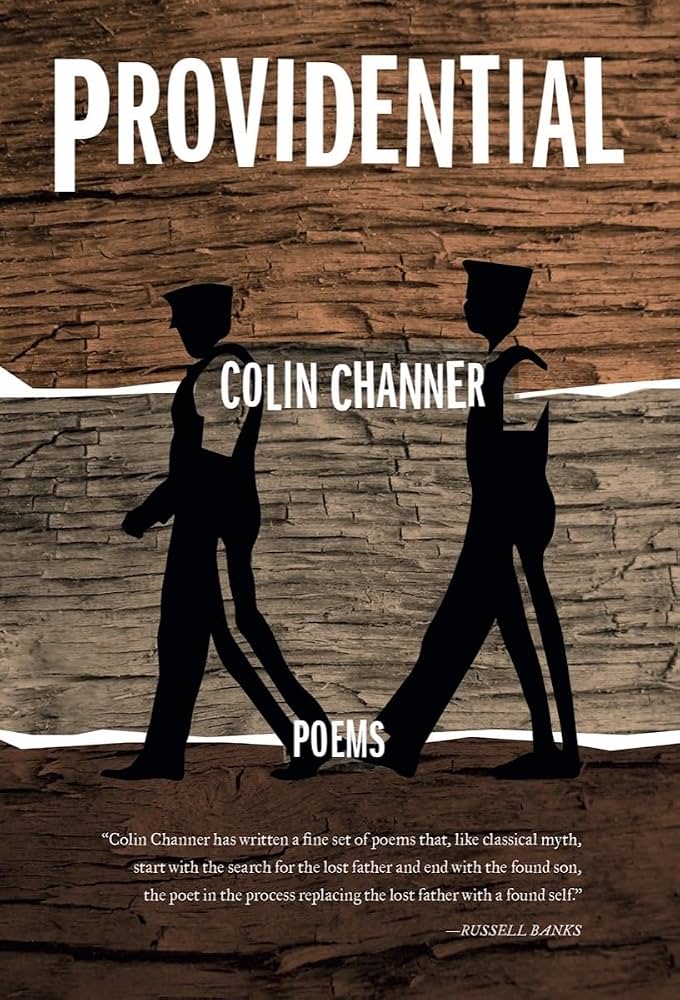
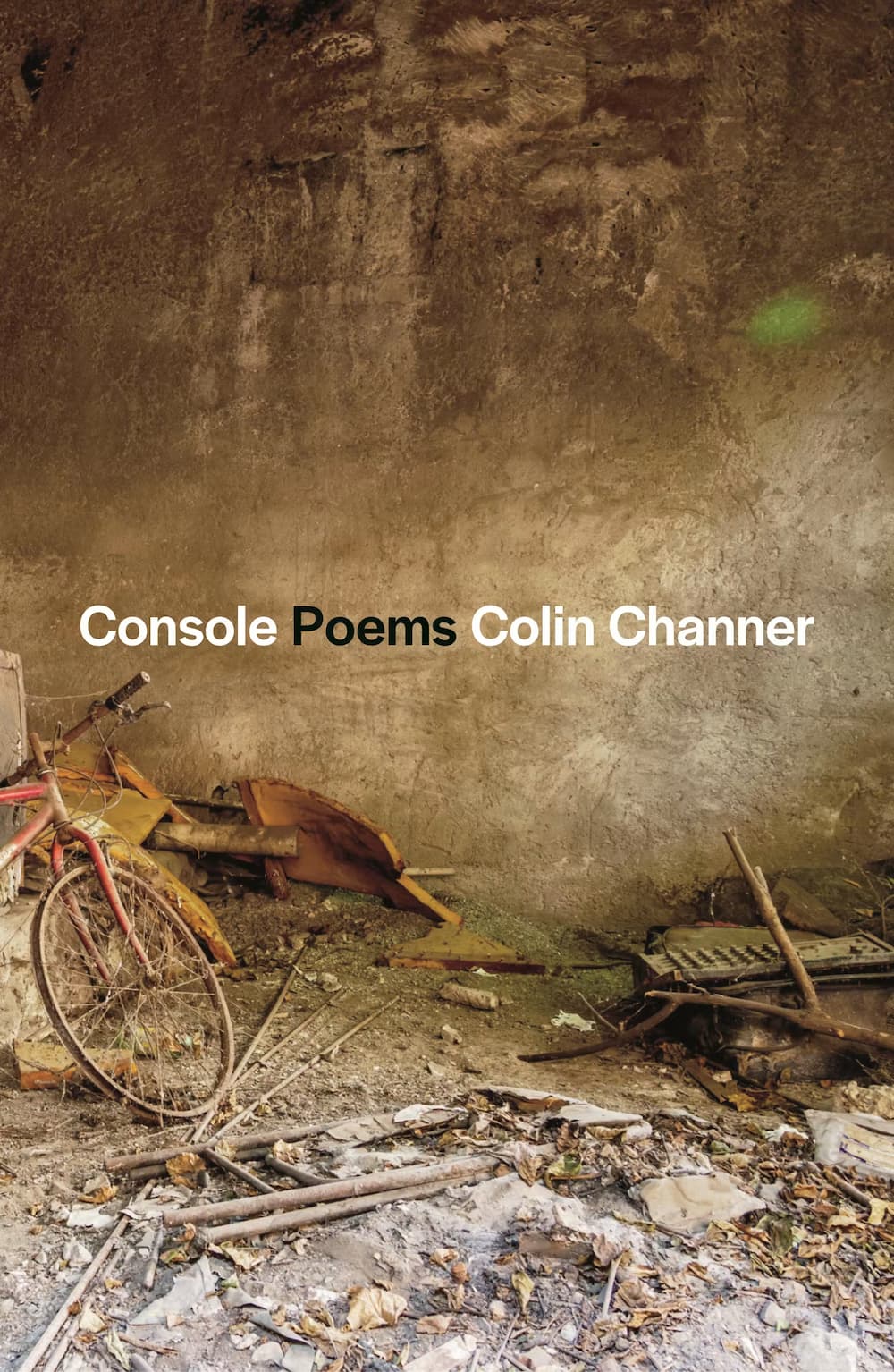
He subsequently published other works of fiction, including Satisfy My Soul and The Girl with the Golden Shoes, before expanding into poetry with collections such as Providential and Console.
Helping to Build Jamaica’s Literary Community
Beyond his own writing, one of Channer’s most significant contributions to Jamaican culture came in 2001, when he joined poet Kwame Dawes and filmmaker Justine Henzell to establish the Calabash International Literary Festival in Treasure Beach, St. Elizabeth.
In a 2008 interview with The Gleaner, Channer explained the founders’ ambition: “We wanted to do in the literary arts, what reggae did in music.” Like the music that had inspired him as a child, Calabash was intended to bring Jamaican creativity to an international audience.
But its mission was equally focused on nurturing readers and writers at home. In an earlier interview with Jamaicans.com, Channer explained that his motivation was “to create more readers and writers in Jamaica”. Making the festival free was central to that vision, allowing people from different backgrounds to experience literature firsthand.
Over the years, Calabash has grown into one of the Caribbean’s most recognised literary gatherings, helping to showcase Jamaican writing and strengthen the island’s place on the international literary map.
Rhode Island’s Poet Laureate
Channer’s literary career has also extended into academia. In 2016, he joined Brown University in Providence, Rhode Island, as a professor of literary arts.
In March 2024, he was appointed Rhode Island’s seventh poet laureate, a five-year position in which he serves as an advocate for poetry and literary engagement across the American state. In 2025, he was also named an Academy of American Poets Laureate Fellow.
Despite his international career, Jamaica remains central to Channer’s identity and creative work. In an earlier conversation with Jamaicans.com, he summed up his relationship with his homeland by saying that Jamaica “grounds” him.
That connection has also shaped his approach to writing. Reflecting on reggae’s influence in a 2012 interview with LargeUp, Channer explained how the music gave him the confidence to pursue an international literary career without distancing himself from his roots. “I did not have to abandon Jamaica or its culture to have an international career,” he said.