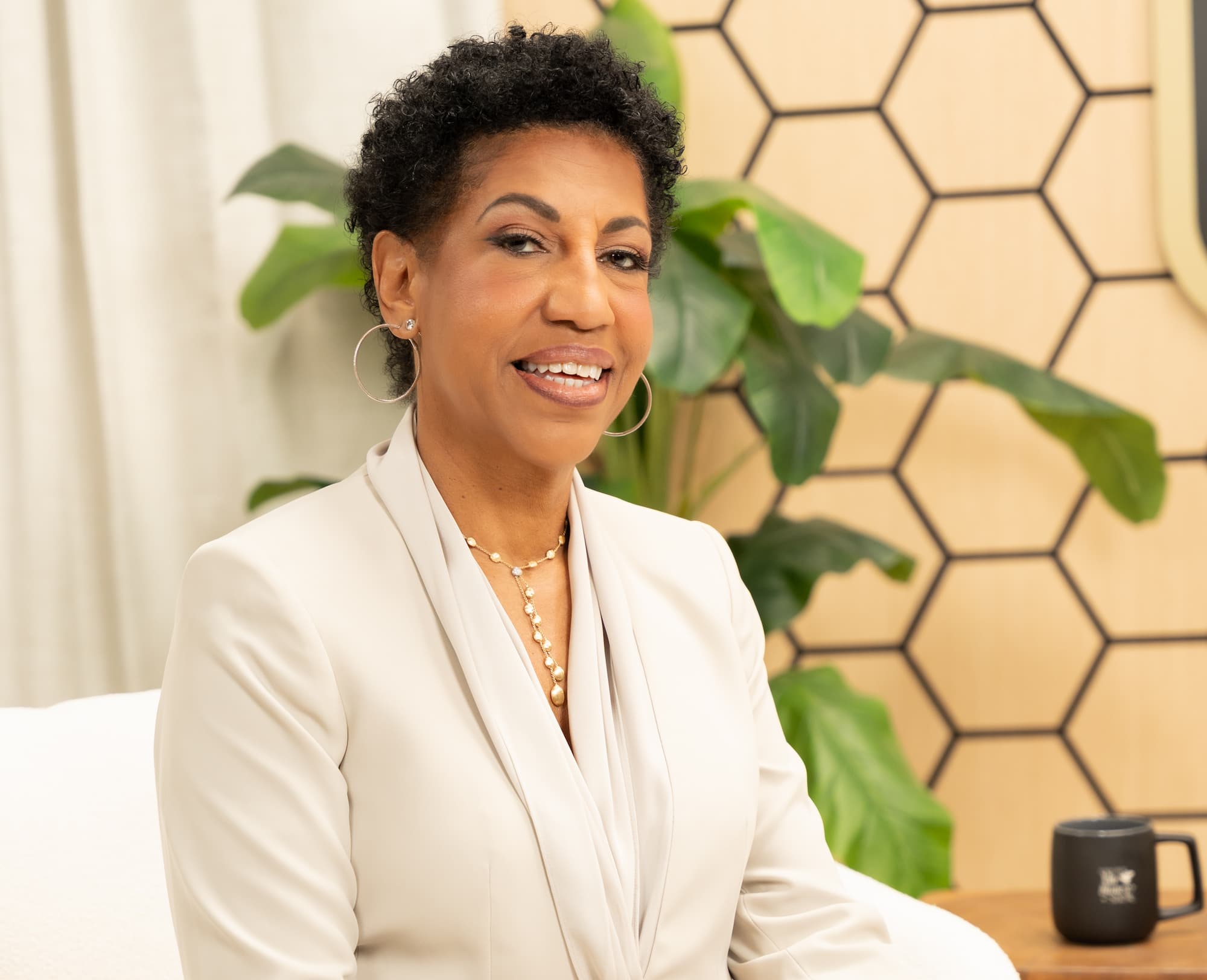
For Jamaican-born marketing executive Suzan McDowell, moving from Jamaica to the United States brought an unexpected lesson about identity.
Growing up in Jamaica, race was never something she had to explain. It was simply part of the fabric of everyday life. But after relocating to Texas, she found herself navigating conversations about race, belonging and identity in ways she had never previously encountered.
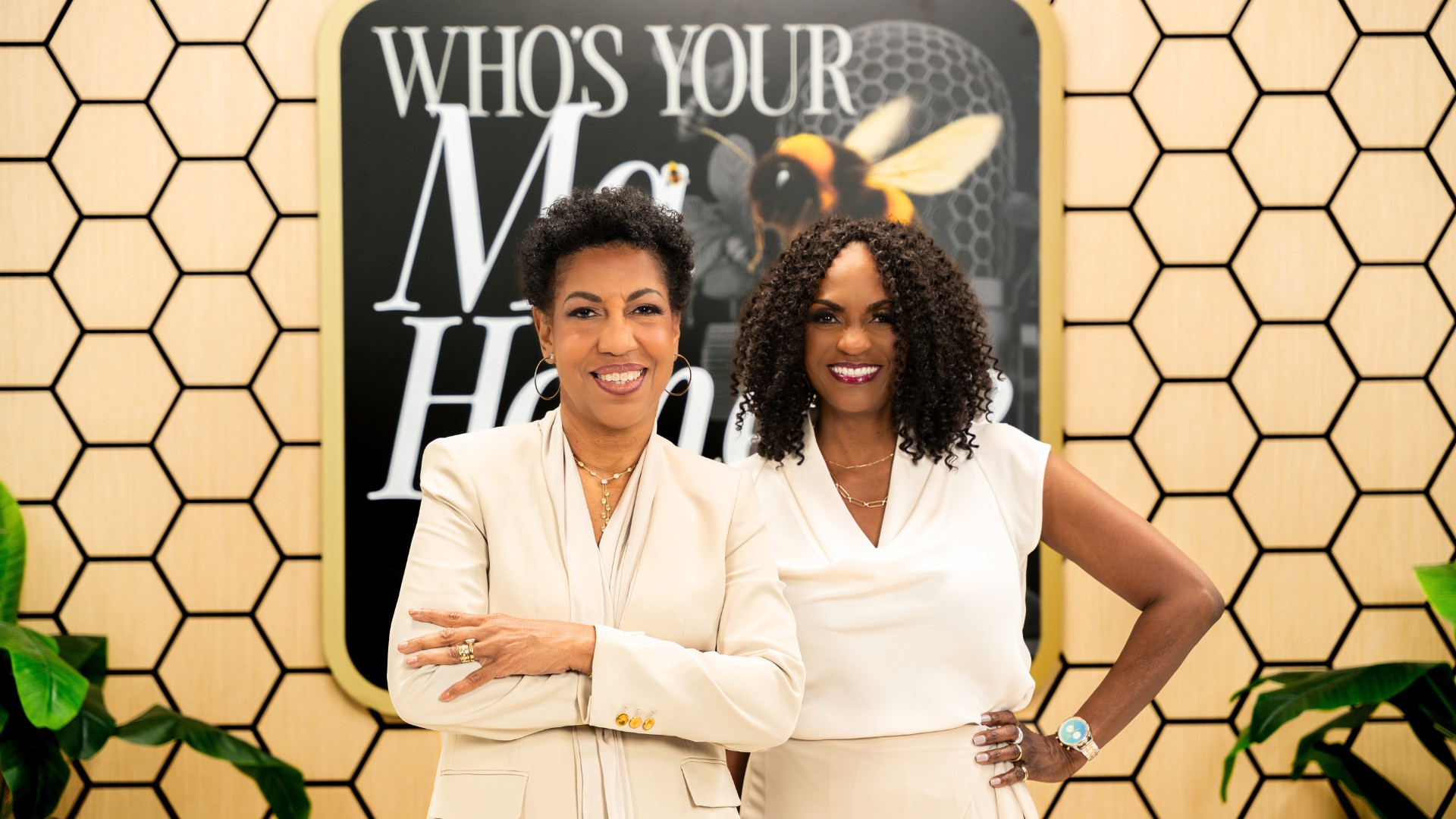
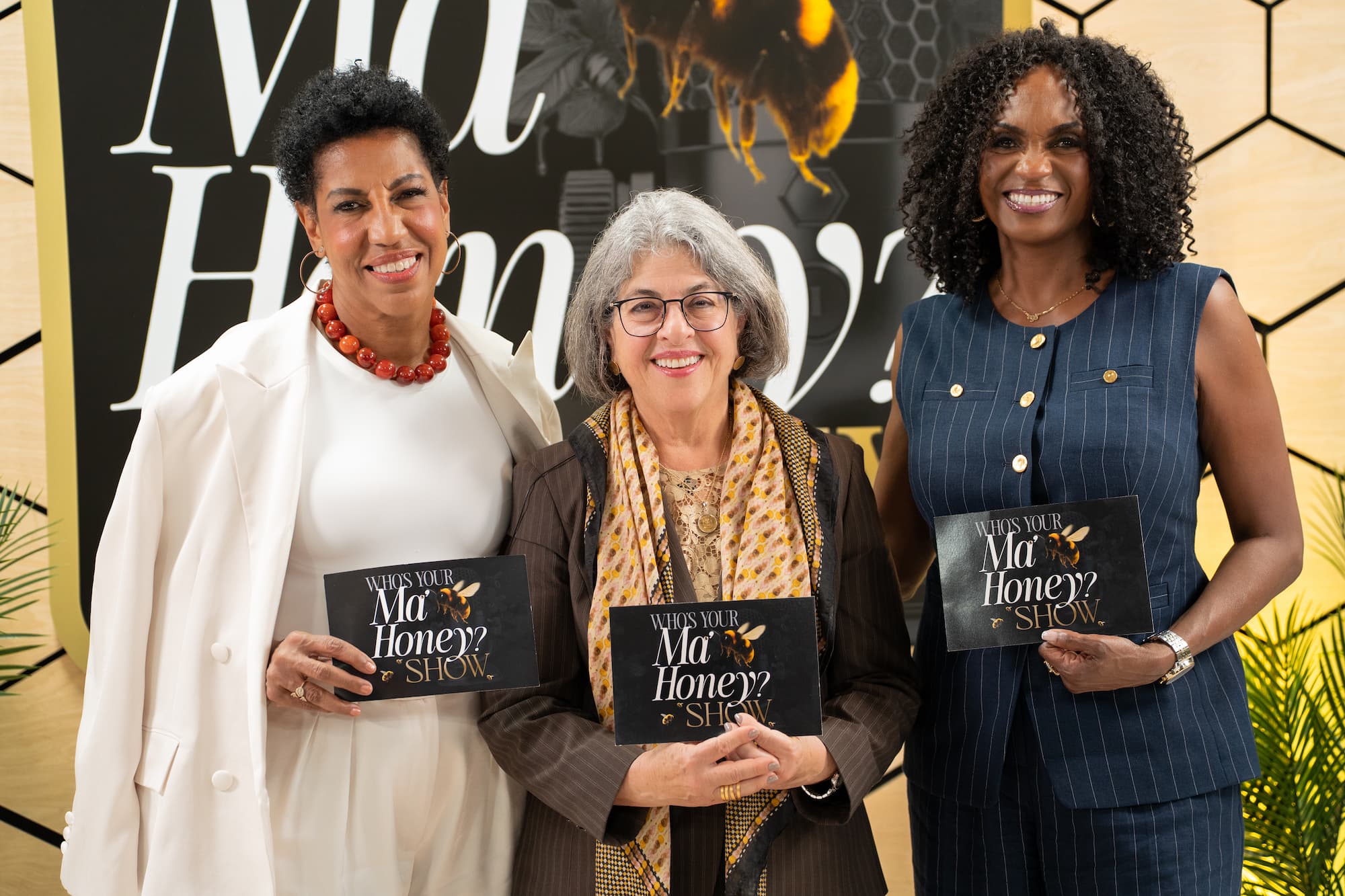
That experience is one of many stories explored in Who’s Your Ma Honey?, a new 10-part series co-hosted by McDowell and banking executive Teri Williams. The series examines how experiences of exclusion, self-doubt, shame and not belonging can shape our lives, while revealing how those same experiences often become the foundation of our resilience, leadership and success.
The powerful series, featuring candid conversations with leaders, entrepreneurs and changemakers, has already struck a chord online. A recent Instagram clip of McDowell reflecting on her experience as a Jamaican navigating life in America generated nearly 500,000 views, more than 25,000 likes, 9,000 shares and thousands of comments from Jamaicans, Caribbean nationals and other immigrants who saw their own experiences reflected in her story.
For McDowell, the project is deeply personal.
Born and raised in Jamaica before moving to Texas, she recalls the disorientation of arriving in a society where race dominated conversations in ways she had never previously encountered.
“Growing up in Jamaica, being Black is not argued over, it’s simply everything — the air, the music, the food, my family, my friends, my leaders,” McDowell explains in the show’s promotional material. “Then I landed in Texas and suddenly being Black was a human category, a conversation, a conflict.”
It is an experience many Jamaicans who migrate to North America can relate to. While Jamaica has its own social and class dynamics, many immigrants find themselves navigating entirely new discussions around race, representation and belonging after moving abroad.
McDowell’s story is just one of the many experiences explored throughout the series, which examines the common threads that connect people of colour from different backgrounds, cultures and communities. Whether immigrant, entrepreneur, community leader or changemaker, many guests share moments when they felt misunderstood, overlooked or out of place, only to discover that those experiences ultimately shaped their greatest strengths.
Finding Strength in Shared Experiences
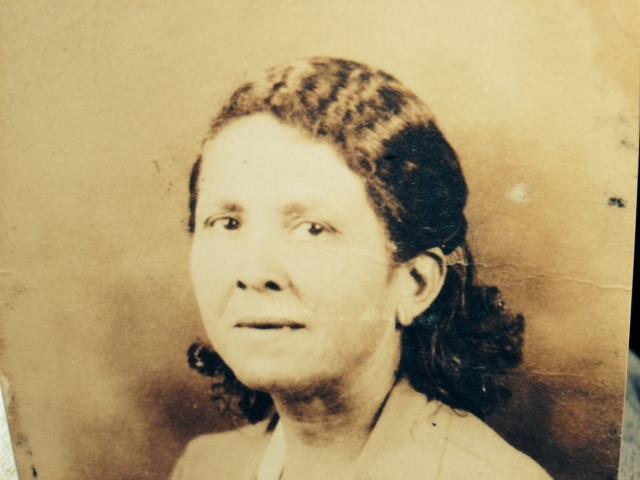
The title Who’s Your Ma Honey? draws inspiration from co-host Teri Williams’ family history and the influence of her great-grandmother, Annie Coachman, affectionately known as “Ma Honey.”
Williams, President and COO of OneUnited Bank, America’s largest Black-owned bank, credits much of her entrepreneurial spirit to her great-grandmother, a businesswoman who owned a candy store, barbecue pit and rental properties in segregated Florida.
That story forms the foundation of the show’s central message: that the experiences we often view as sources of shame, insecurity or disadvantage can become the very qualities that drive our success.
Throughout the series, guests are encouraged to reflect on their personal journeys and uncover the resilience, perspective and determination that emerged from life’s challenges.
A Powerful Line-Up of Guests
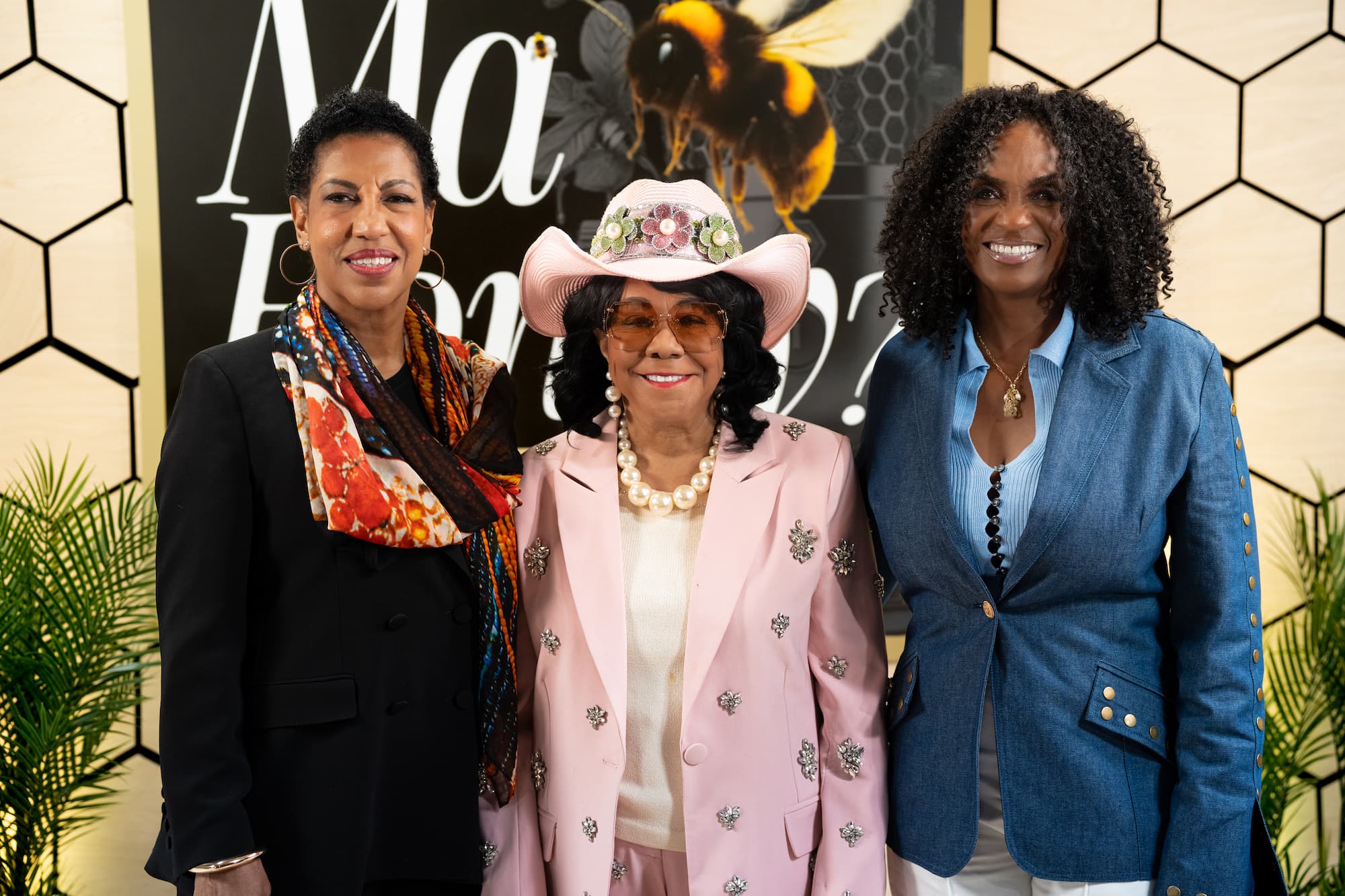
Season one features a diverse range of guests, including journalists, elected officials, activists, entrepreneurs and community leaders.
Among them are veteran journalist Karen Hunter, activist Sybrina Fulton mother of Trayvon Martin, and the co-founder of the Trayvon Martin Foundation , National Urban League President Marc Morial, Congresswoman Frederica Wilson and Miami-Dade Mayor Daniella Levine Cava.
Each guest shares personal stories about overcoming adversity, confronting stereotypes and embracing the experiences that helped shape their leadership journeys.
A Conversation Resonating Across the Diaspora
The strong reaction to the show’s early clips suggests that Who’s Your Ma Honey? has tapped into something universal.
While McDowell’s reflections have resonated strongly with Jamaicans and Caribbean immigrants, the broader themes explored throughout the series transcend nationality, profession and background. They speak to the shared human experiences of searching for belonging, overcoming adversity and finding strength in our stories.
As the series demonstrates, the experiences that once made us feel different are often the very things that become our superpowers.
The 10-episode series is available on YouTube, Spotify, Apple Podcasts, Audible and other major podcast platforms.