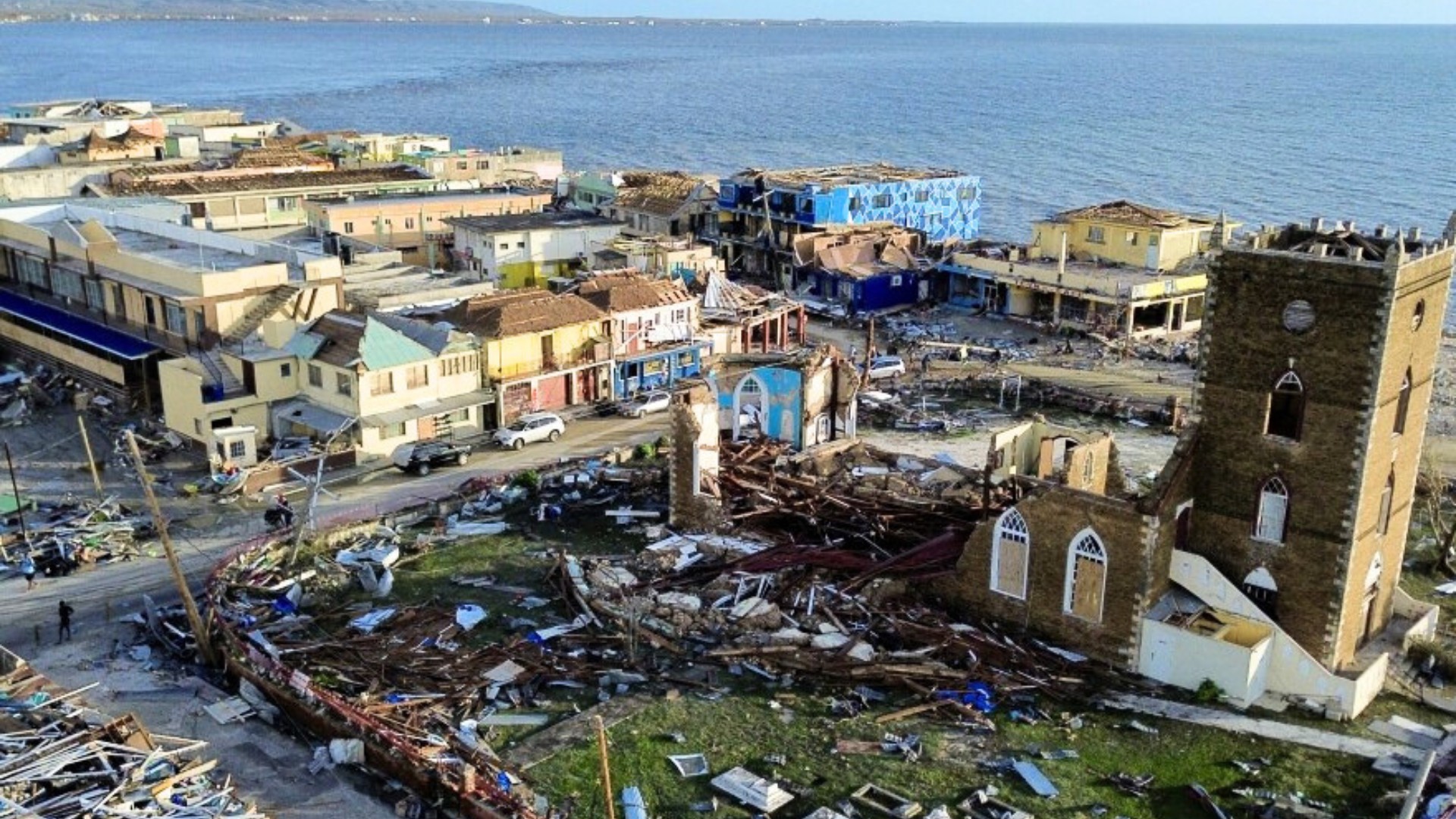
Jamaicans.com caught up with Minister of State in the Ministry of Foreign Affairs and Foreign Trade, Alando Terrelonge, at the recently concluded Jamaica Diaspora Conference in Montego Bay, where he shared what he described as major news for St. Elizabeth and, in particular, the historic town of Black River.
Speaking in the wake of Hurricane Melissa’s devastation, Terrelonge said the Government is moving beyond short-term recovery and is now focused on a major climate-resilient redevelopment plan that will reshape the future of the historic parish.
“Saint Elizabeth was completely ravaged by Hurricane Melissa. As a Government we have done our best to get St. Elizabeth back on track in terms of support for our farmers and agriculture, and of course our business sectors, with rebuilding homes, hospitals, churches and so forth,” Terrelonge told Jamaicans.com.
“But the big news is that we are going to be building a new urban centre in Black River. We are going to move Black River away from the coast further inland as a part of our urban development programme.”
The announcement aligns with statements made by Prime Minister Andrew Holness during his 2026/27 Budget Debate presentation, in which he outlined a climate-resilient redevelopment strategy for Black River following the severe damage caused by Hurricane Melissa. The plan, to be led by the newly established National Reconstruction and Resilience Authority (NARRA), centres on the creation of a new inland urban core above storm surge levels and projected sea-level rise, where essential public services and infrastructure can be relocated to a safer, more resilient location.
Under the proposal, critical facilities including the hospital, courthouse, municipal offices, police station, tax office, schools, market and transport hub would be relocated to a new planned urban centre inland. The redevelopment would also include a town square, civic park, upgraded drainage and utility systems, and buildings designed to withstand Category Five hurricane conditions.
Terrelonge framed the move as part of a broader climate adaptation strategy for Jamaica, noting that the island’s coastal settlement patterns leave many communities vulnerable.
“We recognise that more than 80 per cent of our population live within five kilometres of the coastline and so in terms of making Jamaica more climate resilient, we realise that we have to move some of our towns away from coastlines and further inland,” he said. “So again, great news coming for St. Elizabeth.”

The Government has already identified parcels of land in and around Black River for relocation and reconstruction, and the Urban Development Corporation is expected to engage property owners and communities as the process moves forward. Prime Minister Holness has said some communities like Parrottee near the swamp and exposed coastline may need to be relocated entirely, with consultations and sensitisation forming part of the next phase.
Black River, one of Jamaica’s oldest towns, is being positioned as a model for how vulnerable coastal communities can be rebuilt in a changing climate. And if the Government’s vision is realised, the parish could become one of the clearest examples yet of Jamaica trying to turn disaster recovery into long-term climate resilience and redevelopment.
At the Diaspora Conference, Terrelonge also underscored the investment potential tied to that transformation, pitching the redevelopment as part of a wider opportunity for Jamaicans at home and abroad to take part in the parish’s next chapter.