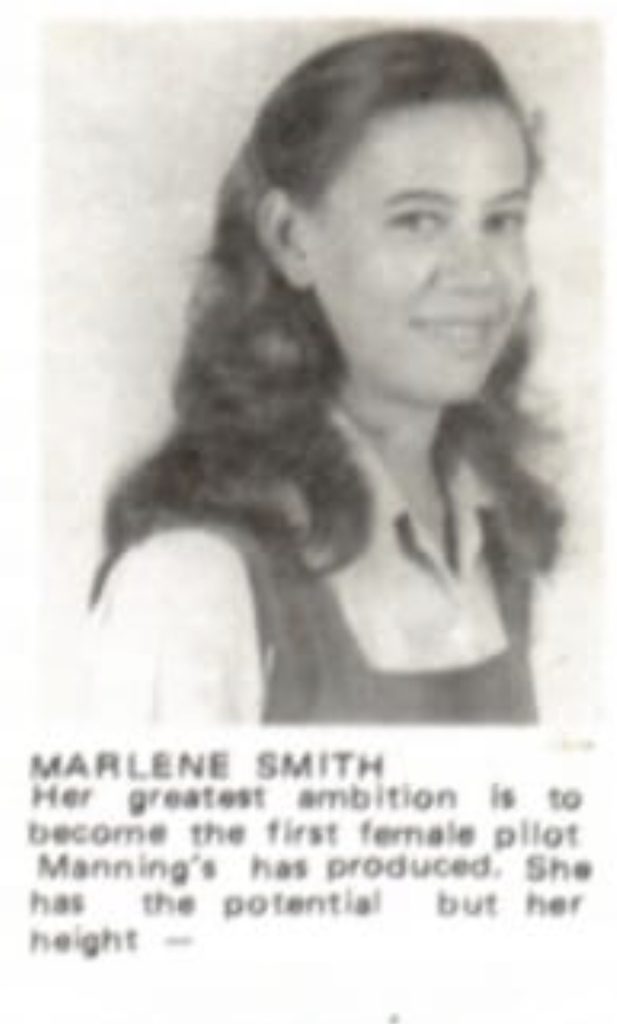
At four years old, Marlene Smith had her sights set on the moon. Growing up in Westmoreland, Jamaica, she was fascinated by a little red rocket at Frome Preparatory School. She climbed into it every chance she got, imagining herself travelling into space.
“I wanted to be an astronaut,” she recalled. She could barely pronounce the word at the time, but that did not stop her from dreaming.
As she grew older, her fascination with space evolved into a determination to become a pilot. Her father, a World War II veteran who had once wanted to fly himself, shared stories that fuelled her interest. But when she told him she wanted to become a pilot, his response reflected the prevailing attitudes towards women in aviation.
“Well, you know, women don’t fly,” he told her. “Oh, yes. Oh, yes, women fly,” she insisted.
Years of flight training later, and having accumulated approximately 2,000 flying hours, Smith applied to Air Jamaica in 1988, confident that she had the qualifications to join the national airline.
Instead, she was rejected. The reason? She was too short.
“I’m like, ‘Uh-oh, I’m not gonna grow,'” she recalled with a laugh during an interview with Xavier Murphy for Air Jamaica Chronicles.
But Smith was not about to abandon the dream she had spent years pursuing. With encouragement and assistance from a woman who had already broken barriers in Jamaican aviation, she would eventually earn her place in the cockpit and go on to become Air Jamaica’s second female captain.
From Rocket to Cockpit
Born in Westmoreland, Smith grew up between her father’s farm and Frome Compound, attending Frome Preparatory School before moving on to Mannings School. Her fascination with flying was reinforced by family visits to Sangster International Airport in Montego Bay, where relatives gathered at the waving gallery to watch departing aircraft until they disappeared from sight.
For Smith, those visits were about more than waving goodbye. She imagined herself flying one of the aircraft and confidently declared to her parents that one day she would be a captain on an Air Jamaica plane.
Her first opportunity to pursue that ambition came through Michael Batts, a pilot at Wings Jamaica who lived next door to her sister. Batts provided the information she needed to enrol at the flight school, setting her on a demanding journey towards becoming a commercial airline pilot.
Over the next six years, Smith accumulated approximately 2,000 flying hours and earned her Airline Transport Pilot qualification. Throughout her training, her sights remained firmly set on Air Jamaica, the national airline she had admired since childhood.
By 1988, she believed she had everything required to join its ranks. Yet when she submitted her application, Air Jamaica turned her down, not because she lacked the qualifications or experience, but because she was considered too short.
The Struggle of Women in Aviation
For Smith, the rejection presented a particularly frustrating obstacle. She could gain more experience, complete additional training or improve her qualifications, but there was nothing she could do about her height. Still, she was determined not to let the decision end her ambition.
She turned to Captain Maria Ziadie-Haddad, whom she had previously approached for guidance when beginning her aviation journey. Ziadie-Haddad understood the challenges of entering a profession where women had long faced resistance. In 1979, she made history as the Caribbean’s first female commercial jet airline pilot, but her own path into aviation had been marked by obstacles and the determination to overcome them.
For Smith, Maria was both an example of what was possible and someone who understood why a qualified woman should not simply accept being turned away. Following Smith’s rejection, Ziadie-Haddad conducted research into the situation, and the two examined the difficulties they had encountered in their respective efforts to join the airline.
Their experiences reflected a broader struggle for women in commercial aviation, where opportunities were often limited by assumptions about who belonged in the cockpit. Ziadie-Haddad had challenged those expectations and succeeded, opening a path for other women to follow. Smith was determined to continue along it.
“Maria broke the ceiling. She did. She paved the way for women in aviation,” Smith told Xavier Murphy, crediting her fellow aviator with helping to change what was possible for Jamaican women.
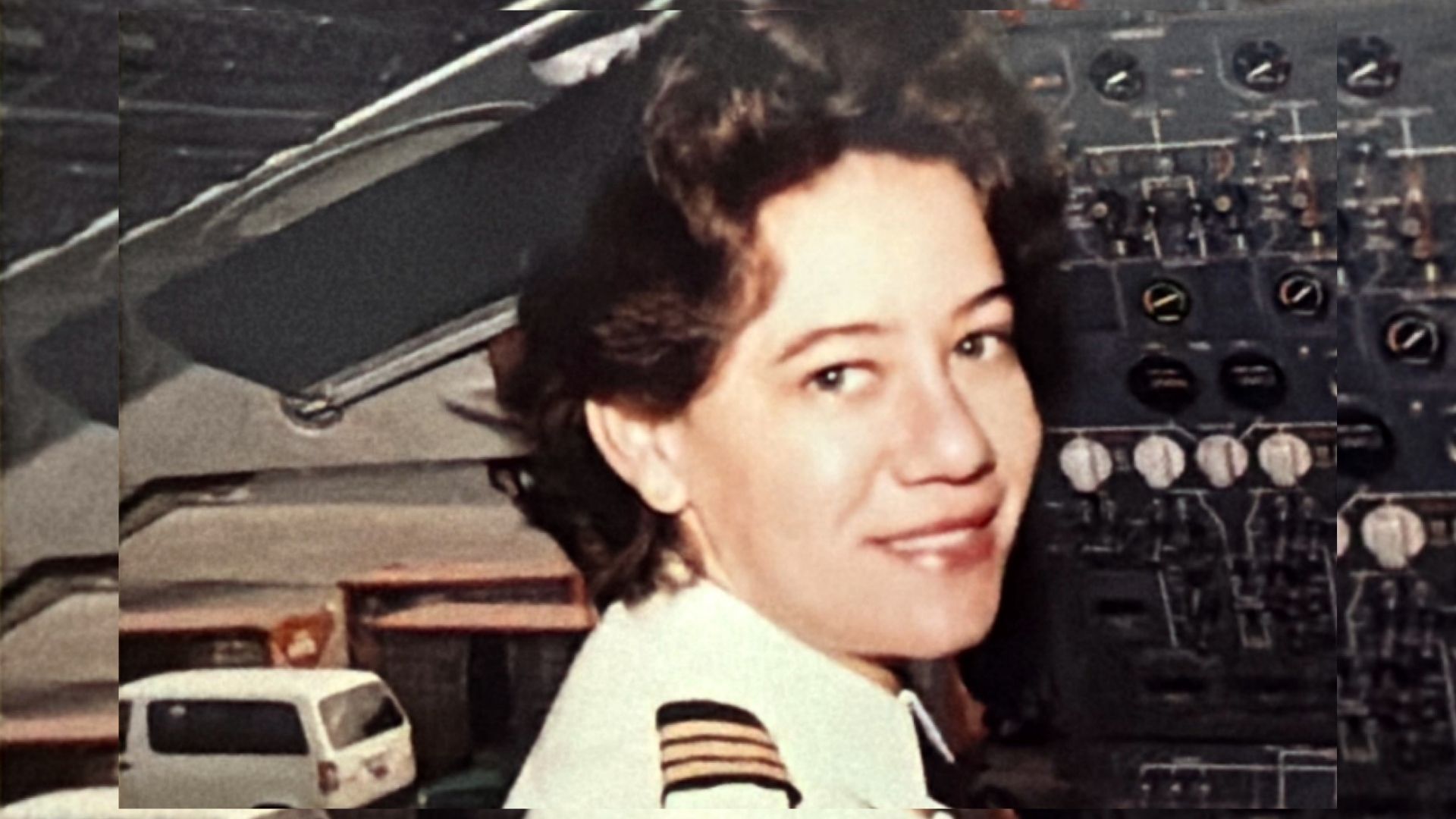
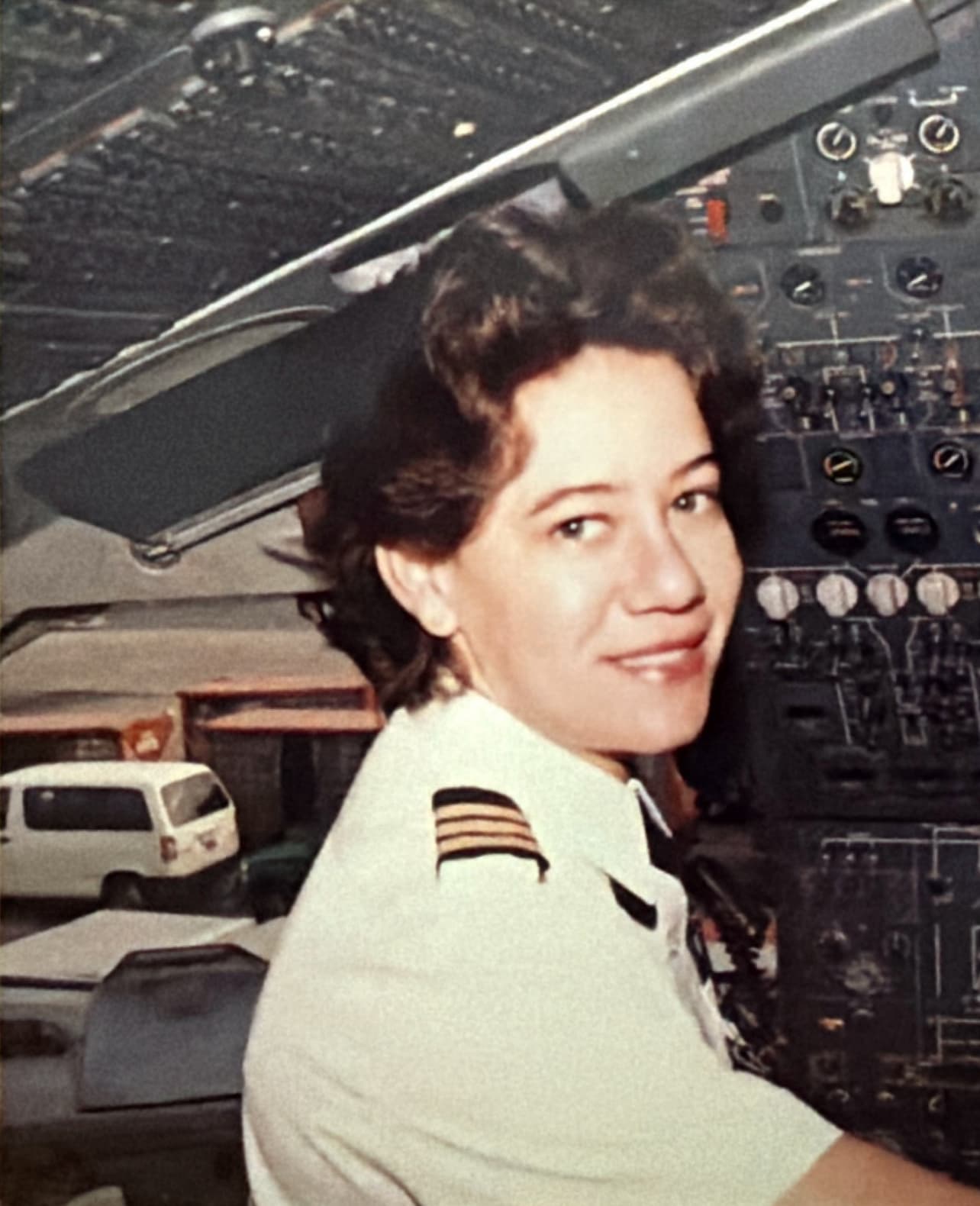
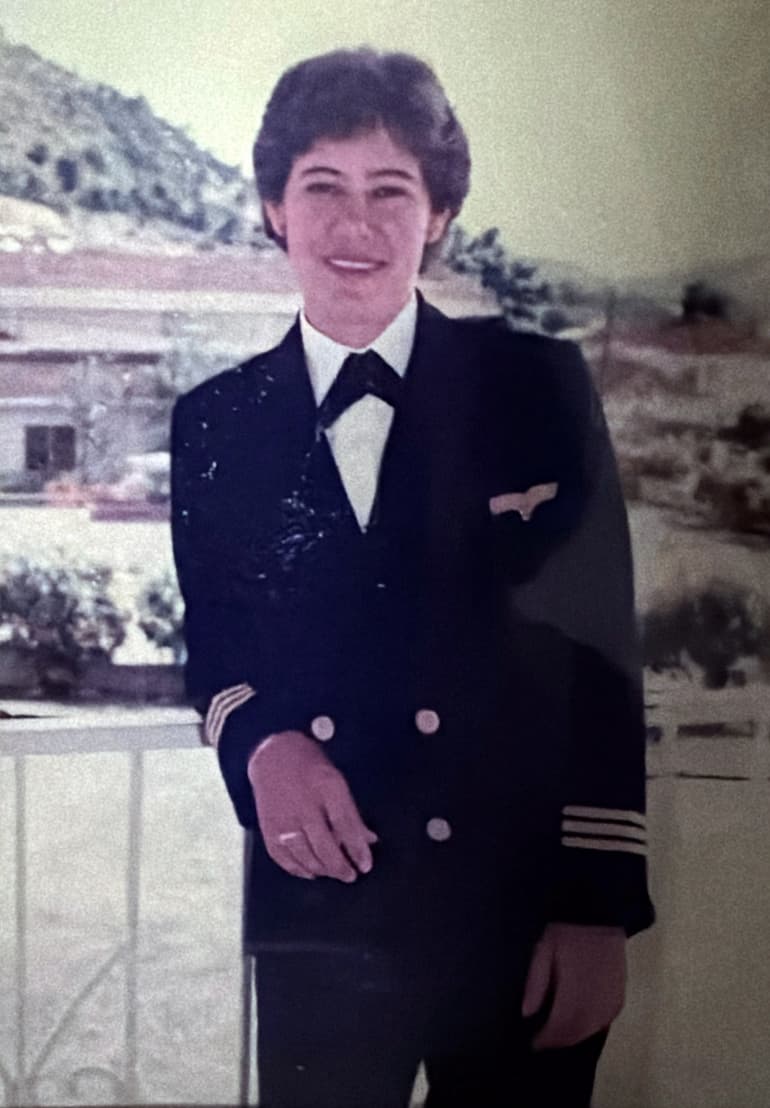
In 1989, the airline recruited four women, including Smith, who was the shortest of the group. She finally joined Air Jamaica as a second officer on the Airbus A300, realising the ambition she had pursued since childhood.
“It was my dream come true to have joined Air Jamaica,” she said.
Making History and Memories at Air Jamaica
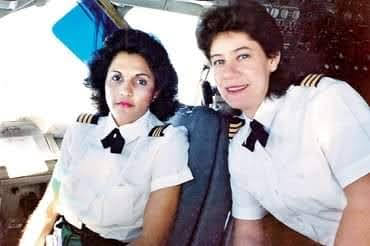
Joining Air Jamaica was only the beginning of Smith’s achievements. She spent seven years as a second officer before progressing to first officer, eventually flying alongside Ziadie-Haddad on the Airbus A300. Their shared time in the cockpit represented another milestone for women in Jamaican aviation, with Smith later following her mentor to become Air Jamaica’s second female captain.
Over more than two decades, she flew several aircraft types, including the Airbus A300, A310, MD-83 and A320. She also helped develop the next generation of aviators, serving as a flight instructor at Wings Jamaica and an examiner with the Jamaica Civil Aviation Authority. Smith identifies herself as the Caribbean’s first female flight examiner and recalls mentoring numerous pilots, both men and women, throughout her career.
She was part of a growing community of women pilots at Air Jamaica, including Debbie Bailey McMaster, who participated in the airline’s historic first all-female flight alongside Ziadie-Haddad. Smith estimates that approximately eight women eventually flew for the airline during that period, several of whom advanced to captain.
Yet her memories of Air Jamaica extend well beyond professional milestones. She fondly recalls the camaraderie among crew members, particularly during overnight stops in New York around Christmas and New Year’s, when Jamaican music, food, and lively gatherings sometimes took over entire hotel floors.
After more than two decades with Air Jamaica, Smith watched the airline she had dreamed of joining since childhood approach its final days. While some colleagues sought opportunities elsewhere, she remained until the airline’s closure in 2010, an experience she describes as deeply painful.
“I rode that wave to the bitter end,” she recalled, explaining that Air Jamaica had been the focus of her professional life and a source of enormous national pride.
“You’re Female. Do Not Come”
With limited opportunities to work in the United States at the time, Smith began exploring employment overseas. She and another Jamaican pilot travelled to Beijing, China, where they were the only two candidates among approximately 25 applicants to pass the Airline Transport Pilot written examination. Both also successfully completed the simulator assessment, but the opportunity eventually fell through because of concerns reportedly associated with their Jamaican nationality.
A second opportunity emerged in Shanghai. Having already completed the required assessments in Beijing, Smith submitted her résumé and prepared to travel to China again. She was aboard a JetBlue aircraft in Fort Lauderdale when she checked her email and discovered a message from the prospective employer.
“We just found out you’re female. Do not come.”
After more than 20 years as a professional pilot, having reached the rank of captain and trained other aviators, Smith was once again facing rejection for a reason unrelated to her qualifications or ability to fly. The message was particularly striking given how much had changed since she first entered aviation, yet how persistent some of the barriers remained.
Smith abandoned the trip, deciding China wasn’t for her. Fortunately, she joined Caribbean Airlines as a Boeing 737 captain, spending approximately two years with the carrier. She then joined Spirit Airlines. Although she initially returned to the first officer’s seat, she became a captain again approximately two and a half years later and went on to serve as an instructor and check airman, assessing and supporting other pilots.
Her years at Spirit marked another significant chapter in a career shaped by resilience and adaptability. With the airline subsequently experiencing its own difficulties, Smith reflected on the demanding and unpredictable nature of an industry to which she had devoted much of her life.
The Legacy of the Love Bird
Despite the opportunities and experiences that followed, Air Jamaica continues to hold a special place in Smith’s heart. For her, the airline represented far more than a workplace. It embodied the pride of carrying Jamaicans around the world, the warmth of its employees and the connection between the national carrier and the people it served.
Asked what future generations should remember about Air Jamaica, she returned to the meaning behind its beloved nickname, the Love Bird, explaining that love was genuinely at the heart of the airline’s identity.
She also believes its high standards of training, professionalism and service are worth preserving, recalling the thorough preparation crews received and the responsibility they felt as representatives of Jamaica.
Smith’s own contribution to that legacy extends beyond her years in the cockpit. Like Maria Ziadie-Haddad before her, she challenged barriers that might have ended her ambitions and helped demonstrate that women belonged in commercial aviation. Through her work as an instructor, examiner and mentor, she has also helped other aspiring pilots pursue opportunities that were once difficult for women to access.
From a little girl dreaming of reaching the moon to one of Air Jamaica’s pioneering female captains, Smith’s journey reflects both the determination of an individual and the progress made possible when women refuse to accept the limitations placed upon them.
Watch Captain Marlene Smith share her remarkable journey, unforgettable Air Jamaica memories and experiences as a pioneering female pilot in the latest episode of Air Jamaica Chronicles with Xavier Murphy.