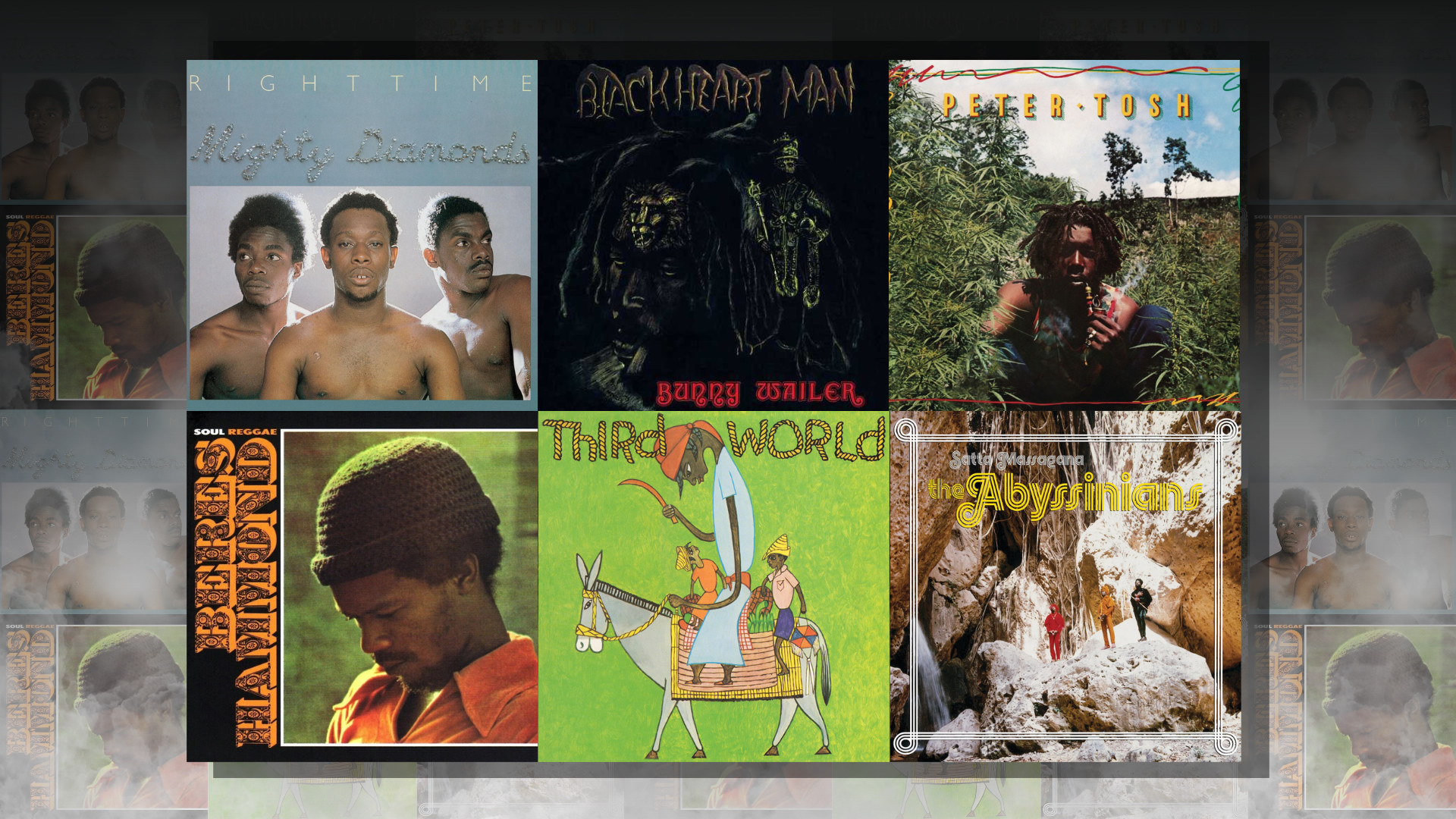
The 1970s were a golden era for reggae, a period when Jamaican music was gaining international recognition and roots reggae was emerging as a powerful vehicle for spiritual, social and political expression. By 1976, a new wave of debut albums was showcasing the depth and diversity of the genre, incorporating elements of soul, R&B, funk and lovers rock.
It was the year former Wailers Peter Tosh and Bunny Wailer established themselves as solo album artists, a young Beres Hammond showcased his soulful sound, and groups like The Mighty Diamonds, Third World and The Abyssinians introduced their distinctive musical styles to a wider audience.
Fifty years later, we revisit and celebrate these six debut albums, their musical and cultural significance, and their enduring place in both reggae and global music history.
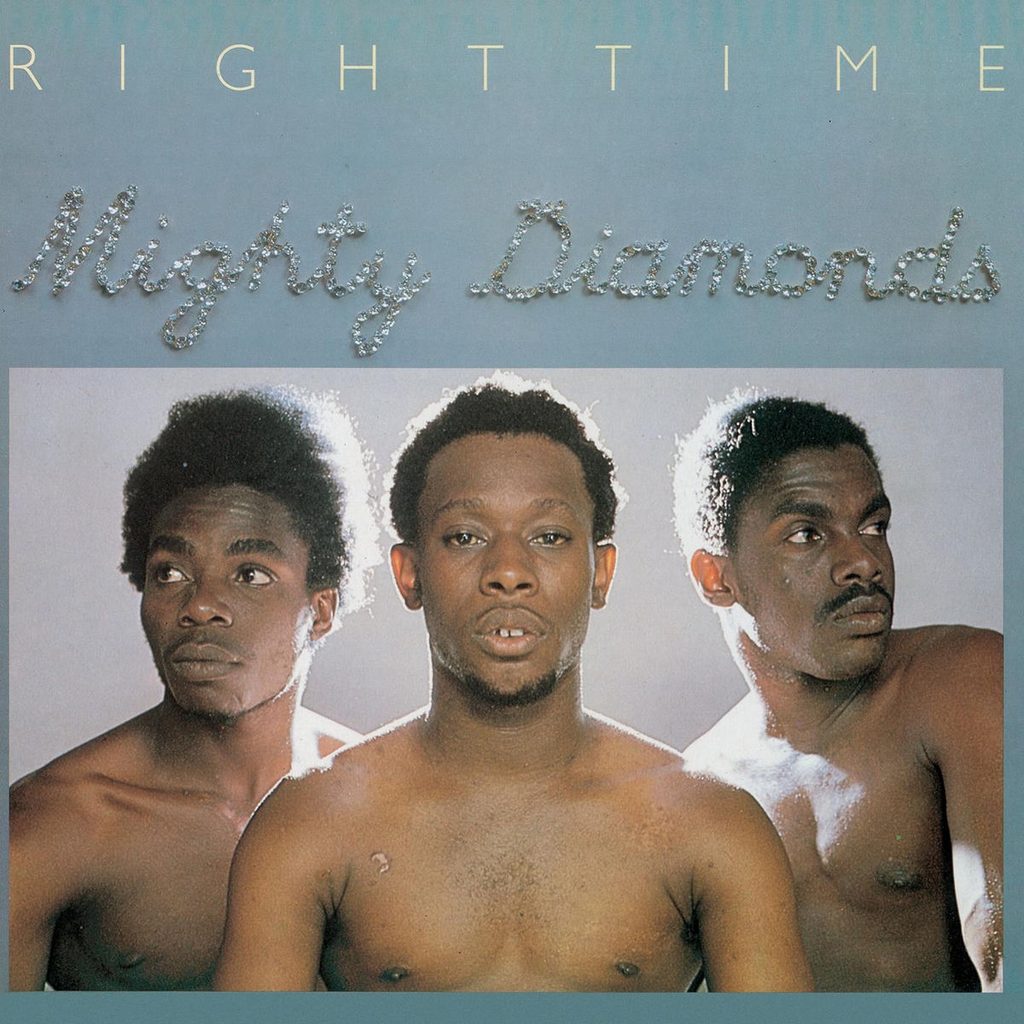
The Mighty Diamonds – Right Time
Release Date : August 24th, 1976
Genre: Roots Reggae
Label: Virgin Records
Formed in Kingston in 1969, The Mighty Diamonds consisted of Lloyd “Judge” Ferguson, Donald “Tabby” Shaw and Fitzroy “Bunny” Simpson. The trio were among the first reggae acts signed to Virgin Records when the label entered the Jamaican music market, building anticipation for their debut album.
With the release of Right Time, the world was introduced to some outstanding roots reggae music. Recorded at Channel One Studios and produced by Joseph Hoo Kim, the 10-track project combined the trio’s soulful vocal harmonies with the innovative rhythms of musicians including Sly Dunbar and Robbie Shakespeare.
Drawing musical inspiration from American soul groups such as The Stylistics and The Chi-Lites, The Mighty Diamonds delivered powerful messages about spirituality, repatriation, social justice, the teachings of Marcus Garvey and righteous living.
The album produced hits such as “Right Time”, “I Need a Roof” and “Have Mercy”, while helping to establish the reputation of Channel One Studios and the legendary partnership of Sly and Robbie.
In 1976, Rolling Stone described it as “simply one of the finest reggae LPs ever released”, and it continues to be hailed as one of the greatest roots reggae albums of all time.
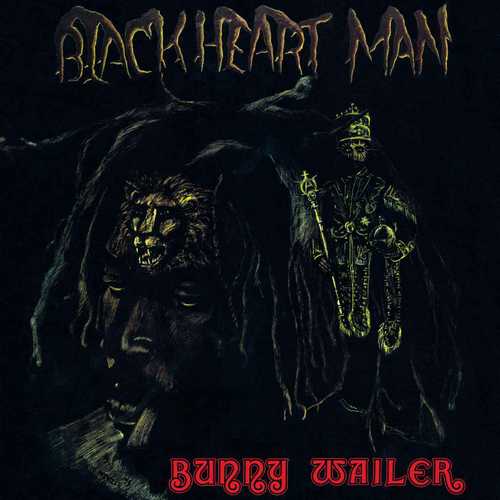
Bunny Wailer – Blackheart Man
Release Date: September 8th, 1976
Genre: Roots Reggae
Label: Island Records / Solomonic
After more than a decade of making music alongside Bob Marley and Peter Tosh as a founding member of The Wailers, Bunny Wailer embarked on a solo career, releasing his debut album, Blackheart Man, in 1976.
The album takes its name from a figure in Jamaican folklore, a bogeyman often used to warn children against strangers, kidnappers and dangerous places. The term was also associated with Rastafarians, who were historically feared, misunderstood and ostracised by Jamaican society. Wailer used this symbolism to address prejudice and challenge negative perceptions of his faith.
Across its 10 tracks, Wailer examined themes of repatriation, Rastafarian spirituality, African identity and social injustice, drawing on his personal experiences, including his encounters with the police.
Wailer produced the album himself, collaborating with some of Jamaica’s finest musicians, including his former Wailers bandmates. The project featured memorable recordings such as “Blackheart Man”, “Dreamland”, “Fig Tree” and “Fighting Against Conviction”.
Considered his best solo work, Blackheart Man has earned its place among reggae’s essential albums and remains a subject of discussion among music enthusiasts and critics.
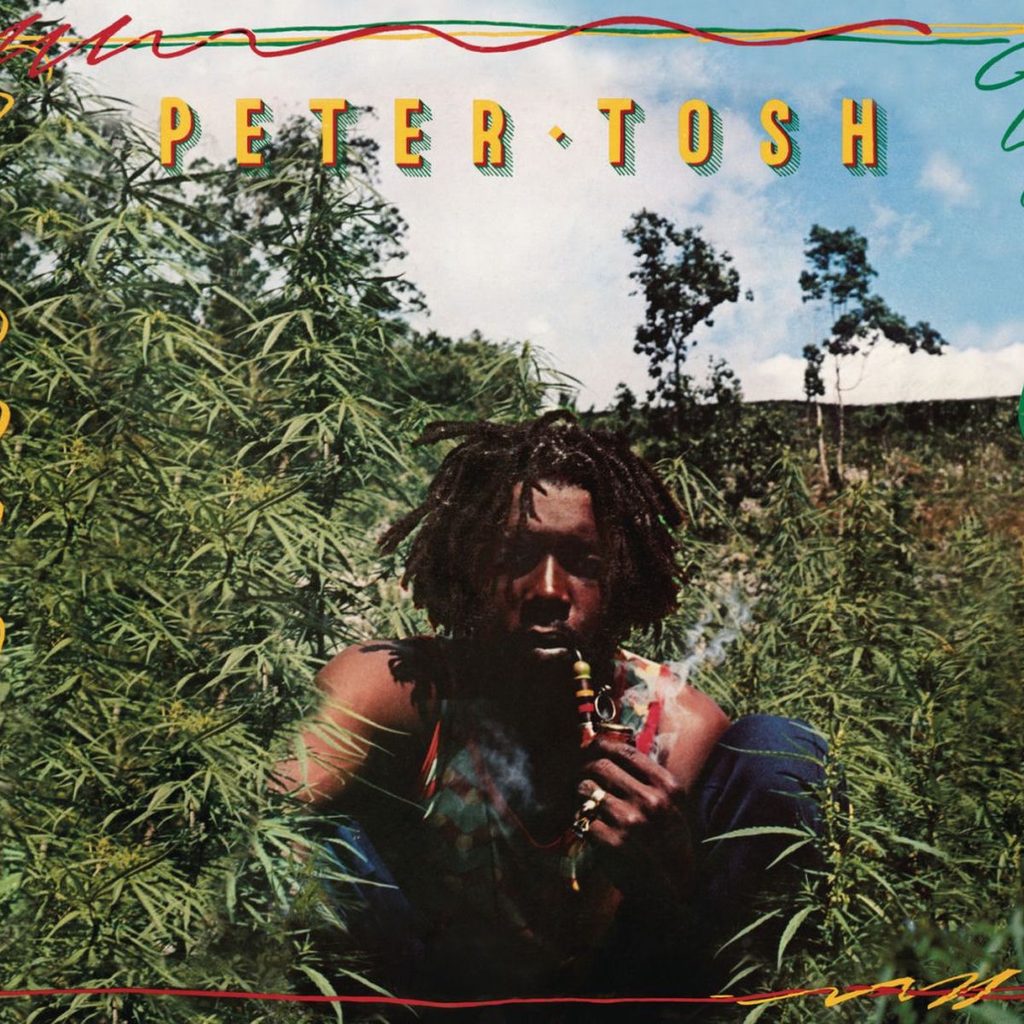
Peter Tosh – Legalize It
Release Date: June 1976
Genre: Roots Reggae
Label: Columbia Records
Peter Tosh began his musical career in the 1960s alongside Bob Marley and Bunny Wailer as a member of The Wailers. But it was the release of his 1976 solo debut, Legalize It, that helped establish the outspoken musical and political identity for which he would become internationally recognised.
Produced by Tosh and recorded at Treasure Isle and Randy’s studios in Kingston, the nine-track album explored Rastafarian faith, love and social issues, with its title track making an unapologetic call for the legalisation of marijuana.
Inspired by Tosh’s experiences of police harassment and his beliefs about the herb’s spiritual and medicinal significance, “Legalize It” became one of reggae’s most recognisable protest anthems. The song was banned from Jamaican radio, but the controversy only increased public interest in the recording.
The album also showcased Tosh’s songwriting and production abilities, which he had developed during his years with The Wailers. Released internationally through Columbia Records, Legalize It entered the Billboard 200, peaking at No. 199.
The album would go on to achieve commercial success and earn classic status, helping to launch a solo career defined by Tosh’s uncompromising messages and musical talent.
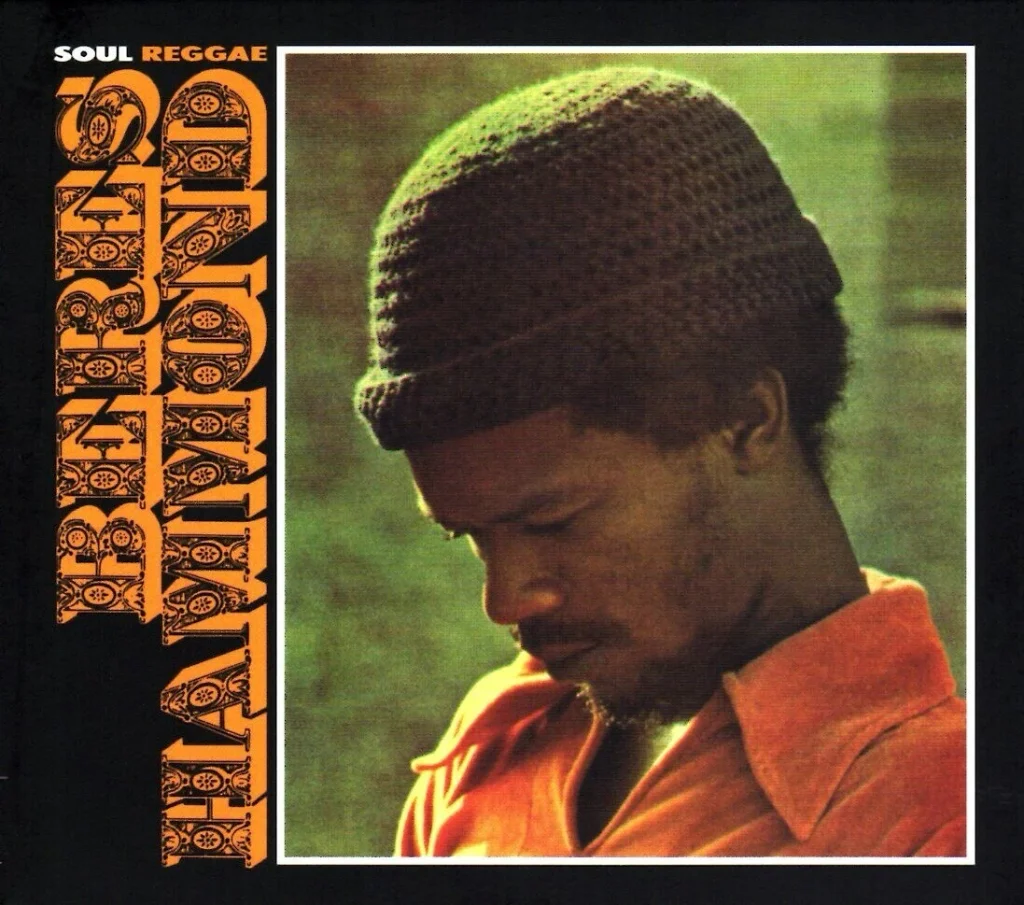
Beres Hammond – Soul Reggae
Release Date: 1976
Genre: Reggae, Soul, Lovers Rock
Label: Water Lily
In the early 1970s, a band called Zap Pow emerged on Jamaica’s music scene. Formed by Michael Williams and Dwight Pinkney, the group gained popularity and scored several hits. In 1975, a young Beres Hammond, who had been making a name for himself through talent competitions across Jamaica, joined as lead singer and helped bring the band further success.
Hammond’s talent was already evident, and in 1976, he released his debut solo album, Soul Reggae, on the Water Lily label.
Produced by Willie Lindo and recorded at Aquarius Sound Studios, the 12-track album blended reggae, soul, R&B and the emerging lovers rock sound. With his distinctive raspy yet soulful vocals and Lindo’s production, Hammond delivered a collection that captured listeners’ attention.
Featuring songs such as “One Step Ahead”, “You Don’t Have to Lie”, “Smile” and “Somebody Lied”, Soul Reggae offered an early glimpse of the musical style that would eventually make Hammond one of Jamaica’s most beloved singers.
The album marked the beginning of a solo career that would continue to grow over the decades, establishing Hammond as a true Jamaican music legend.
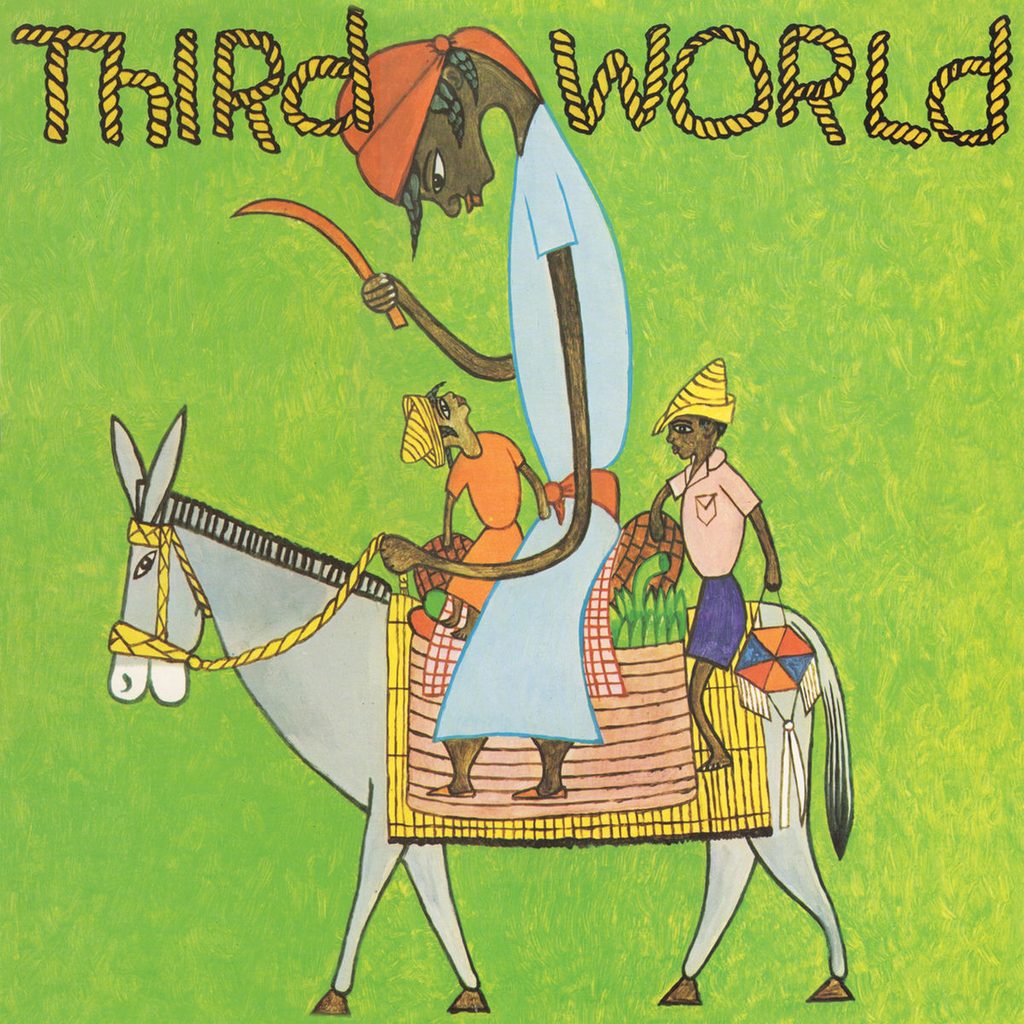
Third World – Third World
Release Date: 1976
Genre: Roots Reggae, Reggae Fusion
Label: Island Records
Formed in 1973 by Steven “Cat” Coore and Richard “Richie” Daley, Third World emerged during reggae’s growing international popularity. The band built its reputation performing at hotels and nightclubs and providing backing music for visiting artists, including The Jackson 5 during their appearance in Jamaica.
The group eventually signed with Island Records and released its self-titled debut album in 1976.
Produced by Chris Blackwell, John Burns and Third World, the eight-track album featured Milton “Prilly” Hamilton on lead vocals, Steven “Cat” Coore on guitar, Richard “Richie” Daley on bass, Michael “Ibo” Cooper on keyboards, Cornel Marshall on drums and Irvin “Carrot” Jarrett on percussion.
Third World showcased the band’s ability to blend reggae with other genres and influences, creating a distinctive sound that would become one of its greatest strengths.
The album featured interpretations of The Abyssinians’ “Satta Massagana”, listed as “Sette Massgana” on the original record, and Burning Spear’s “Slavery Days”, alongside songs such as “Brand New Beggar”, “Got to Get Along” and “Freedom Song”.
Their debut got listeners paying attention, while subsequent releases and changes to the band’s line-up would help transform Third World into one of Jamaica’s most internationally recognised reggae groups.
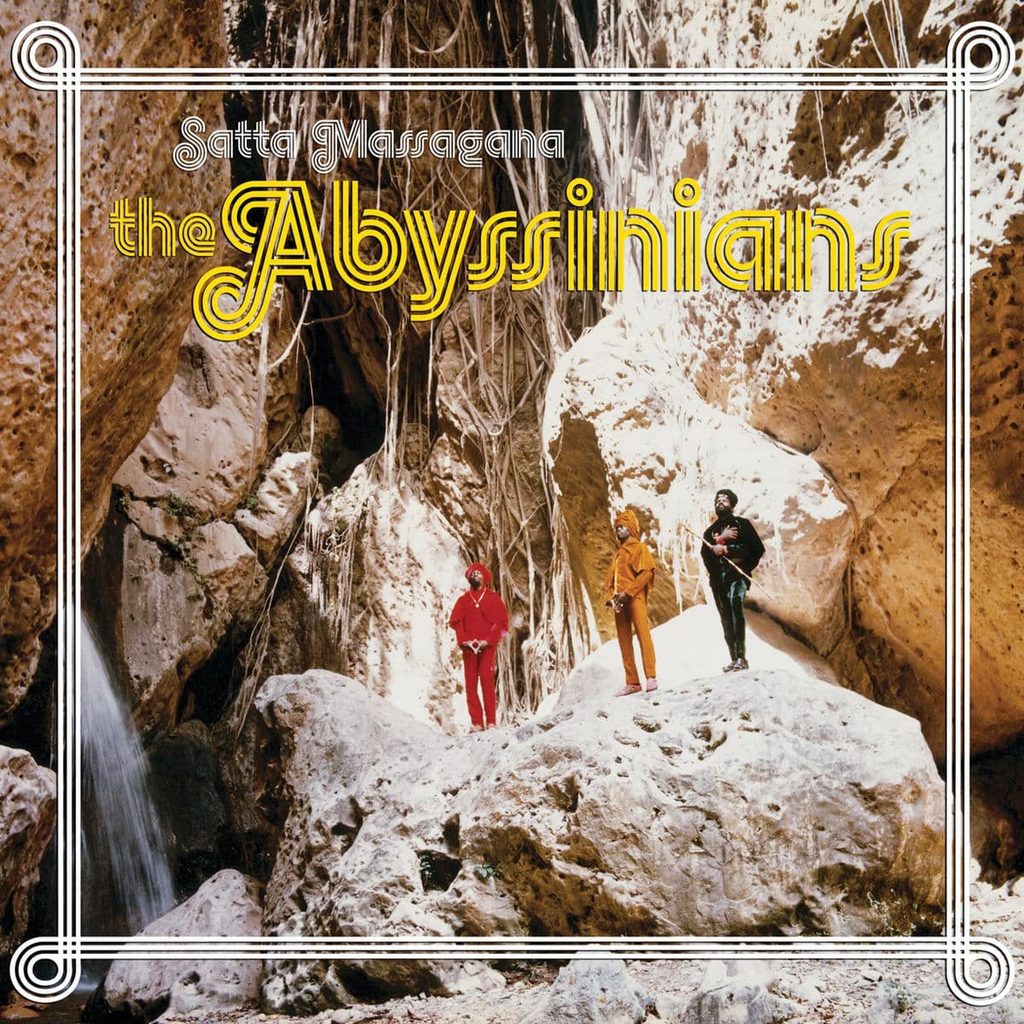
The Abyssinians – Satta Massagana
Release Date: 1976
Genre: Roots Reggae, Reggae Fusion
Label: Island Records
Sometimes, all it takes is one song to get things going. For The Abyssinians, that song was “Satta Massagana”, a recording that would become one of roots reggae’s most culturally and spiritually significant anthems.
The trio, comprising Donald Manning, Linford Manning and Bernard Collins, originally recorded the song in 1969. Its title, derived from Amharic, is commonly translated as “give thanks”, reflecting the group’s Rastafarian beliefs and the spiritual themes that would become central to their music.
After several false starts, the song was released in 1971 and gained widespread popularity. Its success created anticipation for an album, but that project would face delays of its own.
Following limited unofficial pressings in 1975, The Abyssinians’ debut album, Satta Massagana, received its first official release in Jamaica in 1976.
Recorded at Harry J. and Joe Gibbs studios in Kingston, the album featured songs such as “Declaration of Rights”, “The Good Lord”, “Forward Unto Zion”, “Y Mas Gan” and “African Race”, alongside the celebrated title track.
Despite its complicated release history, including unofficial versions, alternative titles and changes to the track listing, the album became a roots reggae classic. It would later be reissued under titles such as Satta and Forward On To Zion, introducing the group’s music to new generations.
Fifty years later, Satta Massagana remains an essential album for serious reggae collectors. You can’t talk about roots reggae without mentioning The Abyssinians.